foundyou.online - Directory for New Media Art
Open Filters
artists (30)artworks (20)orgs (59)events (15)

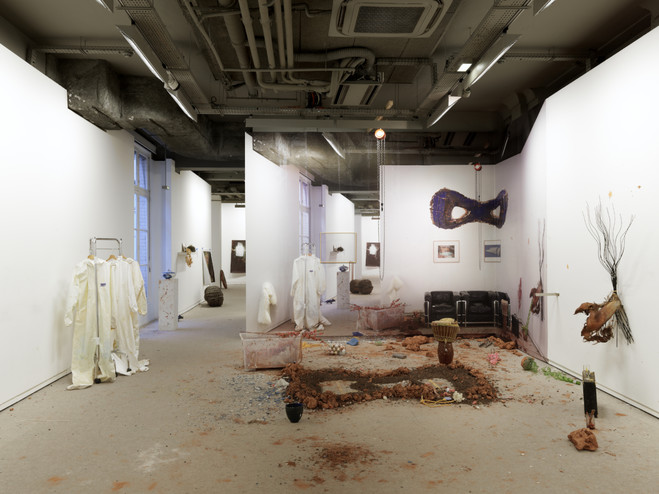
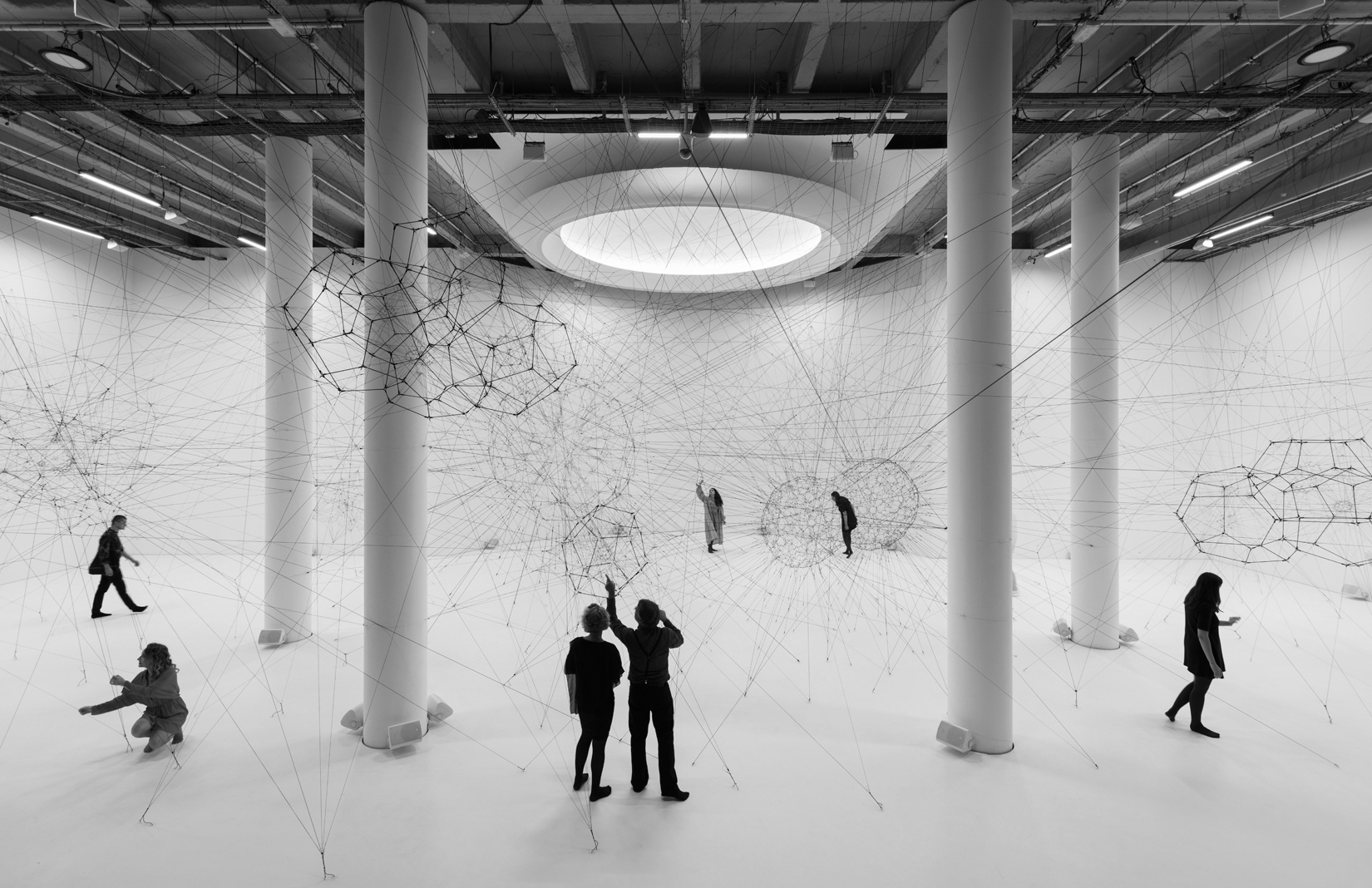
The Palais de Tokyo (Palace of Tokyo) is a building dedicated to modern and contemporary art, located at 13 avenue du Président-Wilson, near the Trocadéro, in the 16th arrondissement of Paris. The eastern wing of the building belongs to the City of Paris, and hosts the Musée d'Art Moderne de la Ville de Paris (Museum of Modern Art of the City of Paris). The western wing belongs to the French state and since 2002 has hosted the Palais de Tokyo / Site de création contemporaine, the largest museum in France dedicated to temporary exhibitions of contemporary art. [1]

Dedicated to both emerging and established artists from France and around the world, the Palais de Tokyo’s programming is punctuated by thematic and monographic exhibitions, large-scale artistic interventions, and carte blanche invitations to artists who take over the entirety of the space. Each season is accompanied by completely new transformations within the Palais, as artists welcome visitors into the heart of their practice, renewing their relationship to art. [2]

Open to all disciplines and with the ambition to explore all realms of artistic expression – from performance to fashion to arts and crafts and more – Palais de Tokyo has also developed a cultural program at the intersection of movement, sound, and language, and in 2015 launched the annual “DO DISTURB” festival. [2]
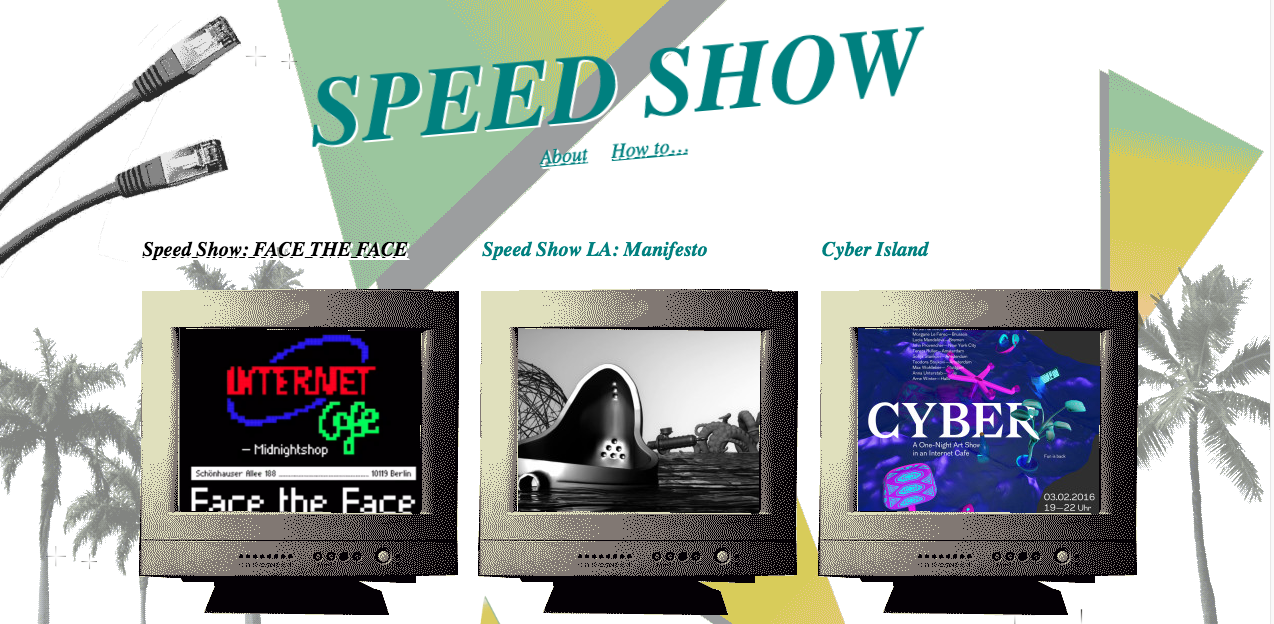
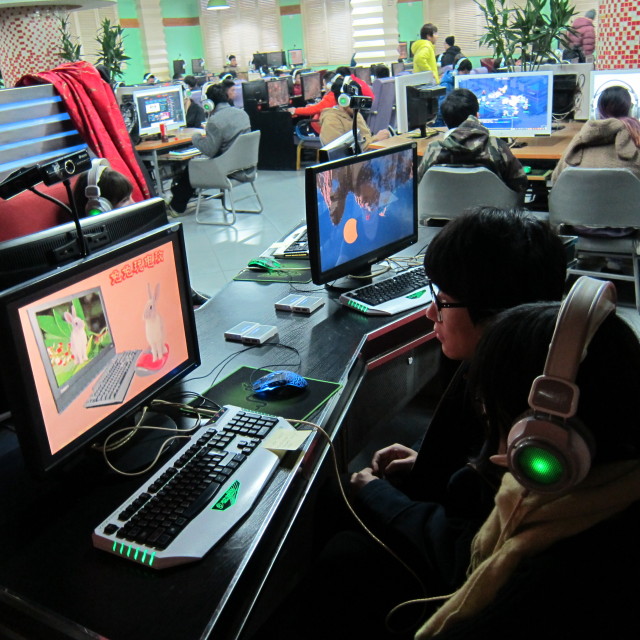
The SPEED SHOW exhibition series was conceived by the artist Aram Bartholl in June 2010. The basic idea of this exhibition format is to create a gallery like opening situation for browser based internet art in a public cyber-cafe or internet-shop for one night. The exhibition format is free and can be applied by anyone at any place. (See how to instructions)[1]

The SPEED SHOW exhibition format:

Hit an Internet-cafe, rent all computers they have and run a show on them for one night. All art works of the participating artists need to be online (not necessarily public) and are shown in a typical browser with standard plug-ins. Performance and live pieces may also use pre-installed communication programs (instant messaging, VOIP, video chat, etc). Custom software (except browser add-ons) or offline files are not permitted. Any creative physical modification to the Internet cafe itself is not allowed. The show is public and takes place during normal opening hours of the Internet cafe/shop. All visitors are welcome to join the opening, enjoy the art (and to check their email).[1]

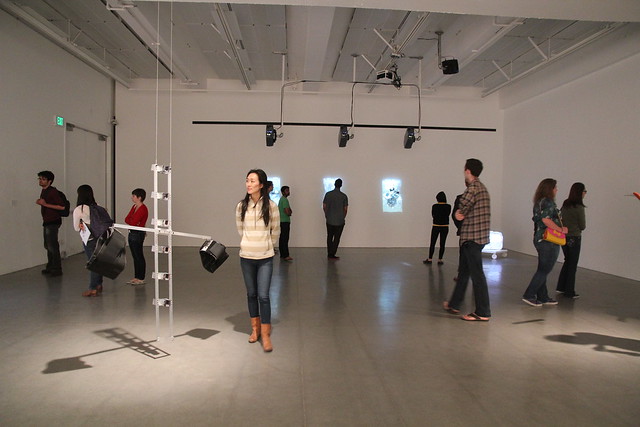
The UCLA Department of Design Media Arts (DMA) offers a comprehensive, multidisciplinary approach to media creation that fosters individual exploration and innovative thinking. Our internationally renowned faculty provides each student with a creative and intellectual foundation for constructing a unique contribution to culture. DMA is committed to educating conscientious creators by emphasizing production within the context of history and theory. The core curriculum is augmented by series of vital lectures, workshops, and other events, and we actively encourage our students to pursue additional interests within the university.[1]

Within the context of the department, design is a process and way of thinking, and media arts foreground experimental media creation. We synthesize practice, history, and theory and hybridize technologies, discourses, and audiences. The results emerge in and on books, galleries, game consoles, installations, films, magazines, performances, public spaces, televisions, and websites. We strive to create socially and culturally relevant objects, experiences, and spaces.[1]

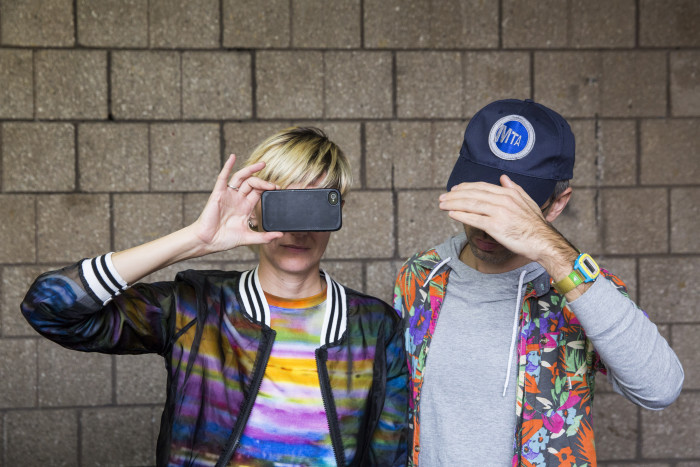
Eva and Franco Mattes (both born in Italy in 1976) are a duo of artists based in New York City. Since meeting in Berlin in 1994, they have never separated. Operating under the pseudonym 0100101110101101.org, they are counted among the pioneers of the Net Art movement and are renowned for their subversion of public media.[1] They produce art involving the ethical and political issues arising from the inception of the Internet. The work investigates the fabrication of situations, where fact and fiction merge into one. They are based in Brooklyn, New York, but also travel frequently throughout Europe and the United States.[1]

No FunExhibition view, Carroll/Fletcher, London
https://player.vimeo.com/video/11467722

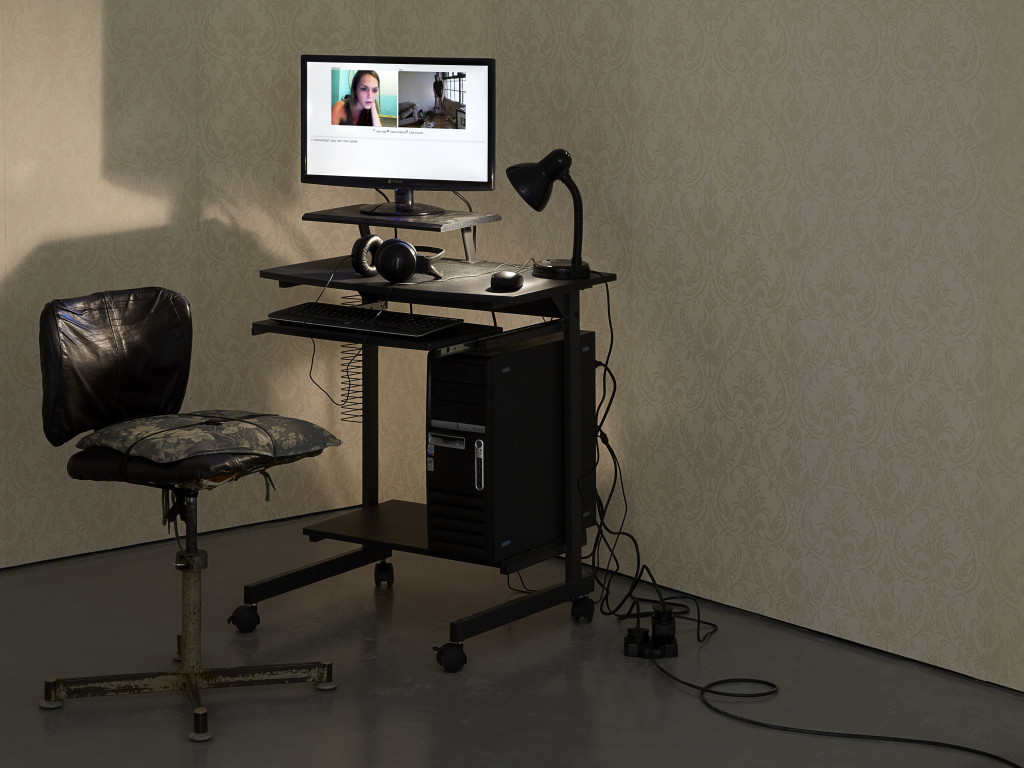
No Fun is the video of an online performance in which we simulated a suicide and filmed viewers’ reactions. It is staged on a popular website that pairs random people from around the world for webcam-based conversations. Thousands watched him hanging from the ceiling, swinging slowly for hours, without being able to know whether it was reality or fiction. They unwittingly became the subject of the work. [1]

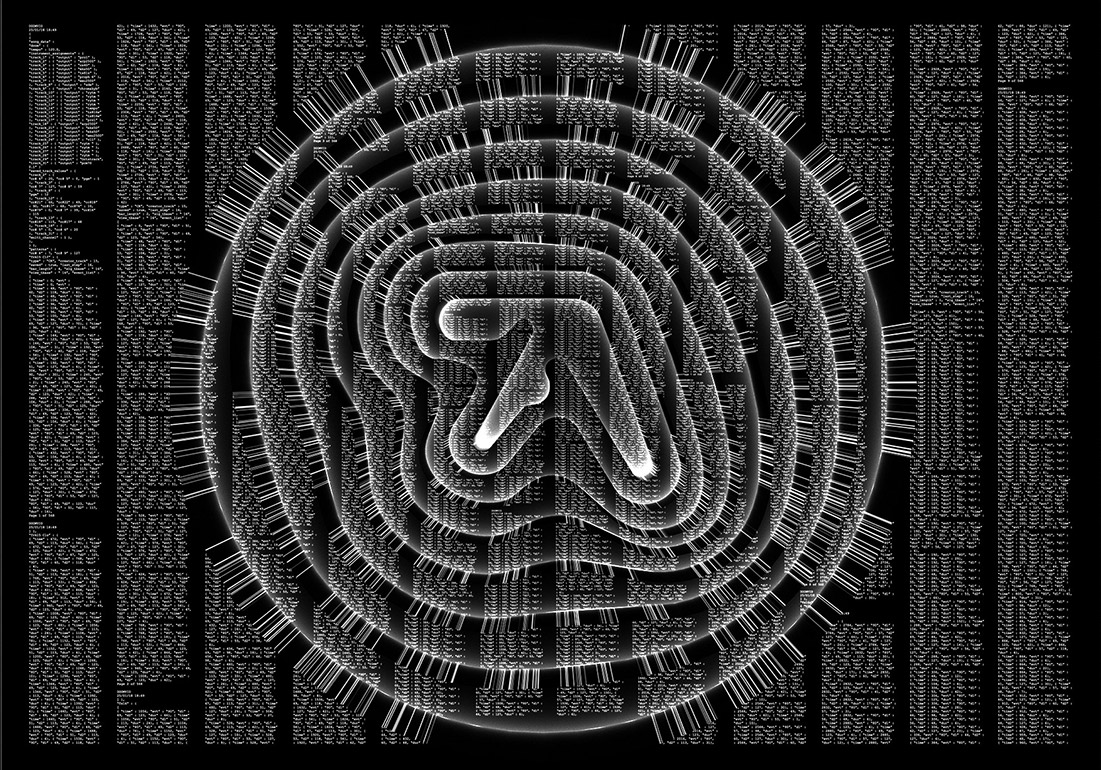
Weirdcore2016 looped "The Glass Eyes" by Radiohead made/shoot by WeirdcoreWeirdcoreAphex Twin – Collapse Print, 2018
https://www.youtube.com/embed/zgvJFvmkJWA
https://www.youtube.com/embed/I9aI6q74l7o
https://www.youtube.com/embed/SQoeQ_YziWM
https://www.youtube.com/embed/-0vrrTQFCjA
https://www.youtube.com/embed/SqayDnQ2wmw

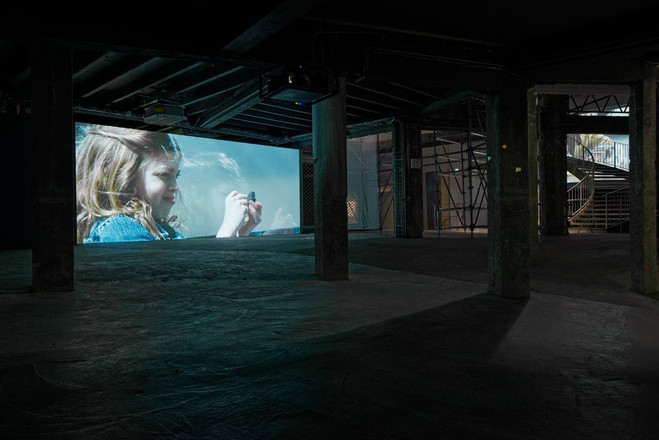
London based WEIRDCORE is half English, half French and results in a director and collaborator who is one hundred percent out there. [1]

Weirdcore’s work is the result of years of experimental design and animation work that pushes the boundaries of consciousness and visual interpretation. Adopting a method used more often by artists and music producers rather than by visual directors, Weirdcore helps both advise and visualise others initial ideas, facilitating their progress through until the finished form, whilst also creating his own stunning individual projects. With a unique blend of formats, colours, designs and mediums, Weirdcore has collaborated with some of the most exciting modern artists and directors such as Aphex Twin, M.I.A, Nabil, Hype Williams, Charlie XCX, Skrillex, Sophie Muller, Diane Martel and Miley Cyrus, in order to create innovative and groundbreaking videos, visuals, interactive installations and other projects. Weirdcore has also lent his emotive expertise to larger collectives, organisations and labels such as Warp, XL, Sony, Ninja Tunes and Domino, whilst keeping a dynamic and fluid focus across a range of other diverse industry’s such as Fashion, Theatre and Opera. [1]

Most recently, Weirdcore created a stunning CG world for Tame Impala’s “Cause I’m a Man” and is currently working alongside M.I.A.’s on her new album visuals. Drawing on elements that are highly structured, Weirdcore smashes conventional directorial ideas of where an image ends, paralleling universes seamlessly between 2D & 3D lending a one-of-a-kind twist to the graphic approach for videos, commercials, live visuals and fashion films. Weirdcore is driven by technology as an experimental exercise exploring artistic bipolarity with rough, raw style, hip yet always organic and with a definitive edge. [1]

Though he has achieved a level of success in his field, it's probably comforting to the musicians he works with that he views himself as a support unit to their own ideas. "I realize that when I speak to real artists like Florian Hecker or MIA, if I ask them questions as to why they do certain things, their answers are so deep or subjective, where I don't think like that at all," he explains. "I'm much more logical and straightforward, and all of my graphics are purely about aesthetics. No story or meaning to them, just purely about bold impact and causing a reaction. As far as I'm concerned, despite being very passionate about it all, I'm far too logical and driven by briefs and deadlines to be considered an artist." [2]

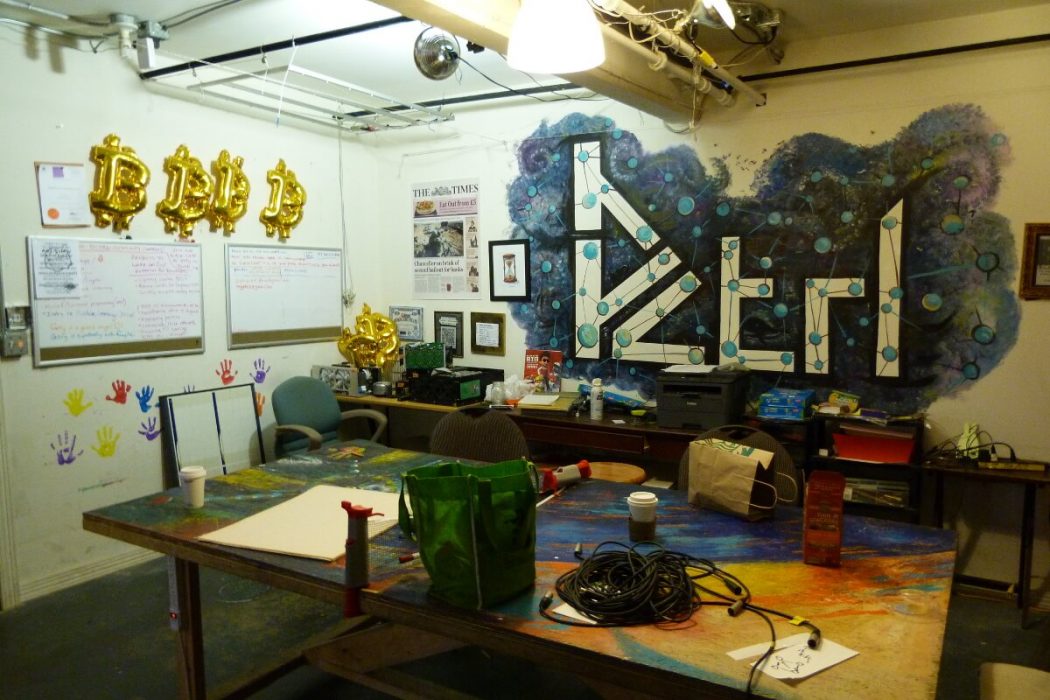
Named DCTRL–pronounced “decontrol”–the location is a radical, artist-run basement that has acted as the crucible for the majority of the city’s blockchain companies. Local hacktivists debate ideas in a central room with well-worn, movable couches; congregate in a small jam space with a free-for-use keyboard and rudimentary soundproofing; and sit quietly in a separate, disorderly area earmarked for coding. The walls are covered with haphazard meme-related murals, and the washroom is marked with a sign that reads “cemetery.”[1]

The space, newcomers are told, is a do-ocracy: an organizational structure that lets individuals choose their own tasks independently. It’s part of the location’s aim to translate blockchain’s ideology of decentralization into the lives of its visitors. It’s also one of the reasons that Vancouver’s blockchain community is unique.[1]

Manfred Mohr is considered a pioneer of digital art based on algorithms. After discovering Prof. Max Bense's information aesthetics in the early 1960's, Mohr's artistic thinking was radically changed. Within a few years, his art transformed from abstract expressionism to computer generated algorithmic geometry. Further encouraged by discussions with the computer music composer Pierre Barbaud whom he met in 1967, Mohr programmed his first computer drawings in 1969. Since then all his artwork is produced exclusively with the computer. Mohr develops and writes algorithms for his visual ideas. Since 1973, he generates 2-D semiotic graphic constructs using multidimensional hypercubes. [1]

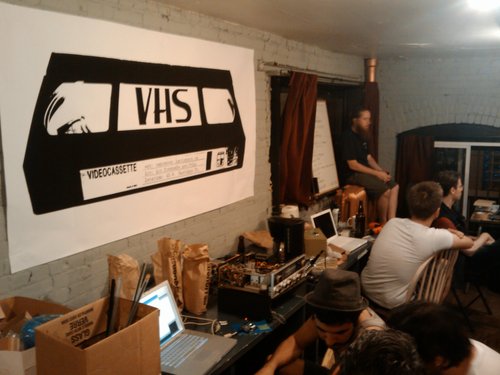
VHS provides a physical space where people can gather to share ideas, equipment, opinions, and beer. Members work on personal projects, collaborate with others, and learn new skills. More than just a studio space, we focus on sharing all sorts of knowledge within a friendly and collaborative atmosphere. VHS is the community garage for a community without garages.[1]

Many of our members share an interest in 3D printers, laser cutting, machining, crafting, electronics, robotics, programming, electronic music, and art. We welcome anyone with skills to share or an interest in learning, and strive to be as open as possible in everything we do.[1]

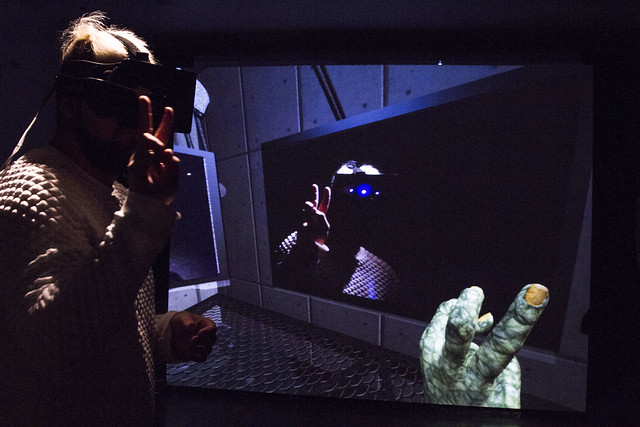
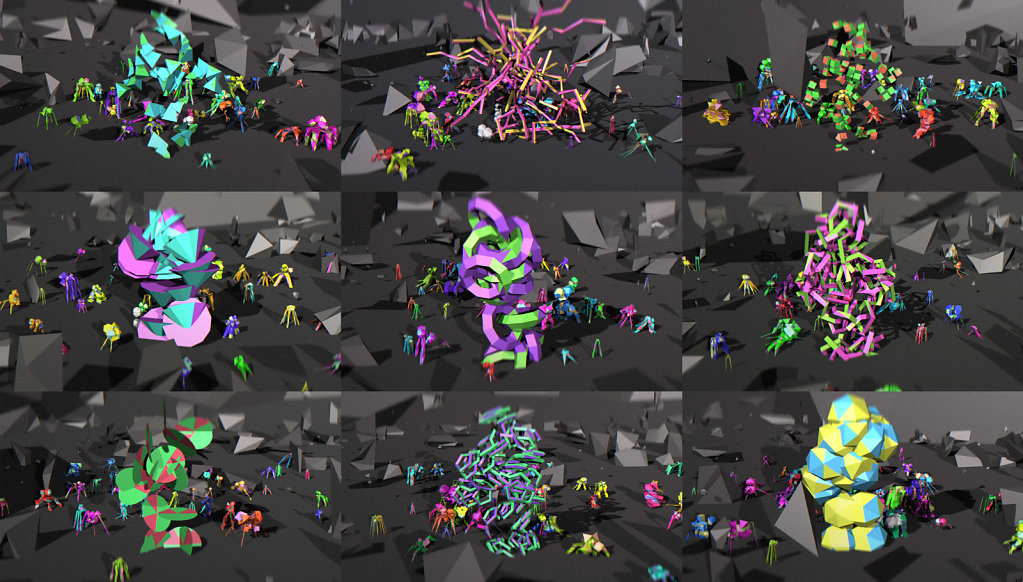
Marpi is a Polish-born, San Francisco-based artist who creates interactive, scalable work across multiple platforms in digital and physical space. In his current practice, he designs and builds vast digital ecosystems that encompass both environments and creatures that are brought into being and shaped by users. His recent work provides different windows into the same universe, where sound, gestures, and other inputs from our world provide the basis for completely new forms of life.[1]

Marpi creates work through Marpi Studios. He works with a small network of creative collaborators - designers, technologists, musicians, and others - to create exhibits, events, and other commissions throughout the world.[1]