foundyou.online - Directory for New Media Art
Open Filters
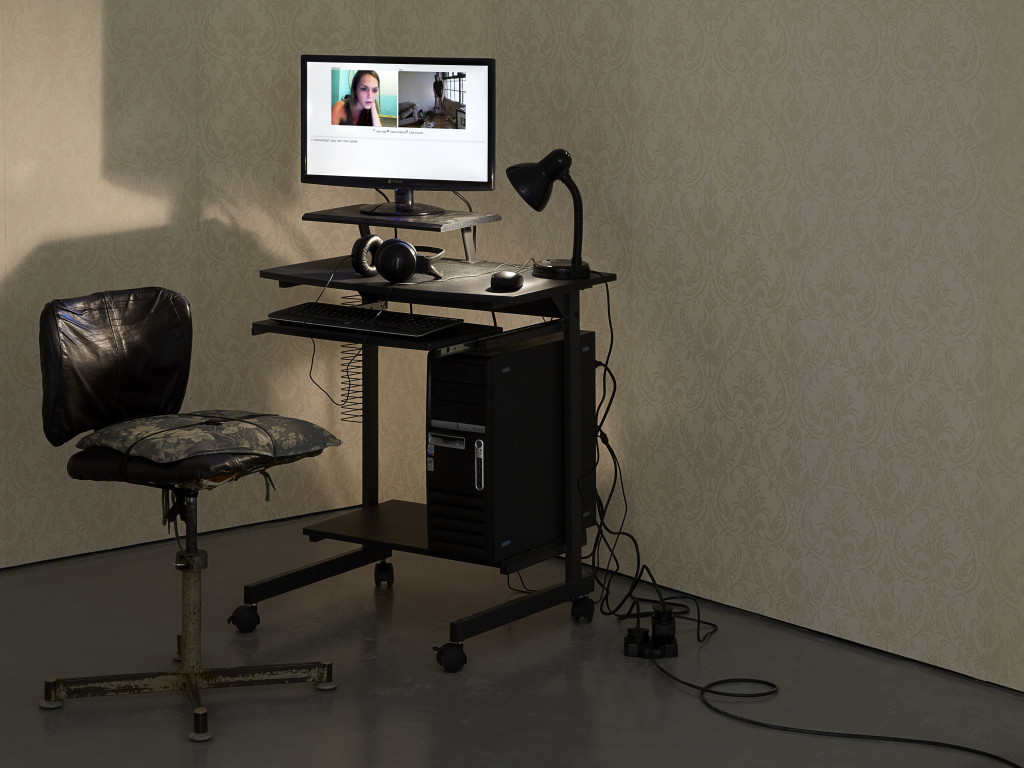
No FunExhibition view, Carroll/Fletcher, London
https://player.vimeo.com/video/11467722

No Fun is the video of an online performance in which we simulated a suicide and filmed viewers’ reactions. It is staged on a popular website that pairs random people from around the world for webcam-based conversations. Thousands watched him hanging from the ceiling, swinging slowly for hours, without being able to know whether it was reality or fiction. They unwittingly became the subject of the work. [1]

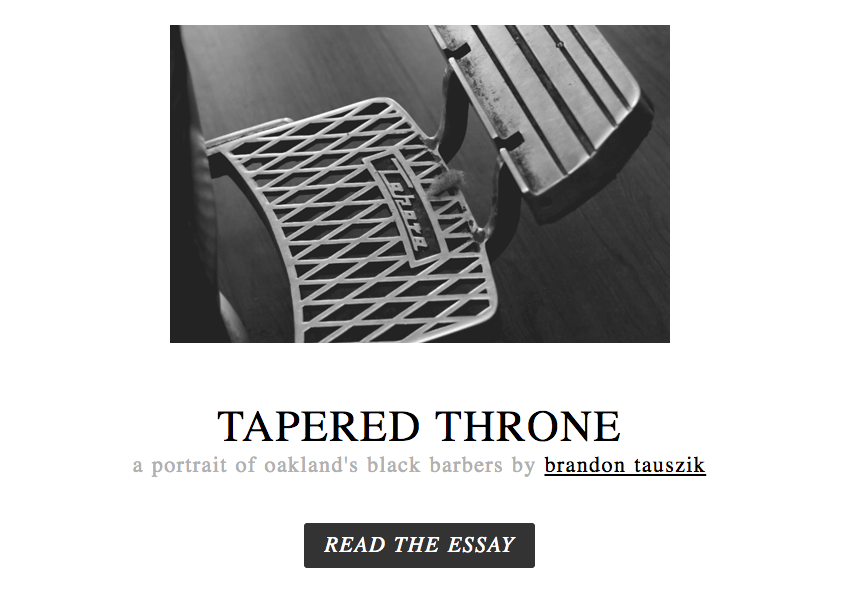
Brandon Tauszik’s GIF images of black barbers in Oakland, California reveal the resolve of a group of ardent professionals. The project illuminates the position of barbers as conduits of black communities; of Oakland. Behind these portraits are the aspirations of men who are not just making a living, but who see the value of their labors in the development of black community life. Like the GIF images themselves, these men and their shops are not static. Even as they stand behind their barber’s chair with arms propped up clutching the clippers, they are constantly in motion and in tune with the comings and goings of the people in their city.[1]

Robot MusicRobot Music
https://www.youtube-nocookie.com/embed/pxhLrtkYNYw
https://www.youtube-nocookie.com/embed/YfoWAWyIV8I

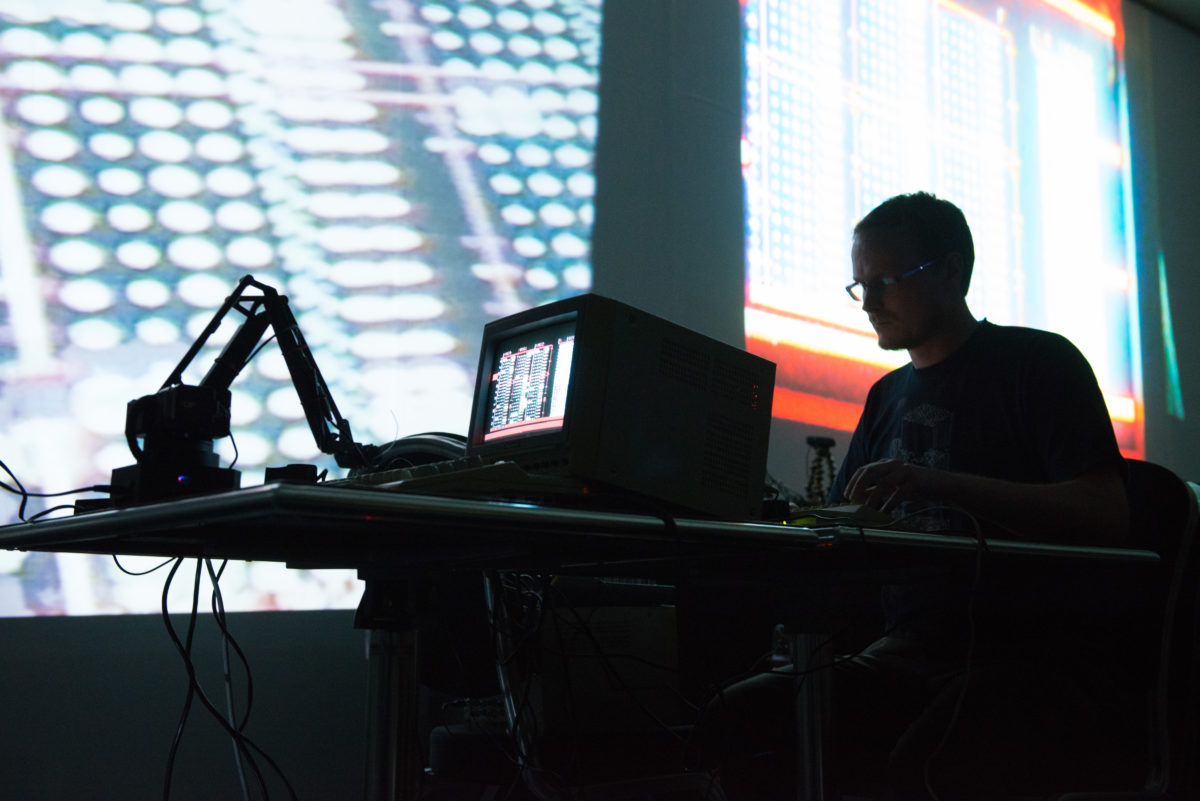
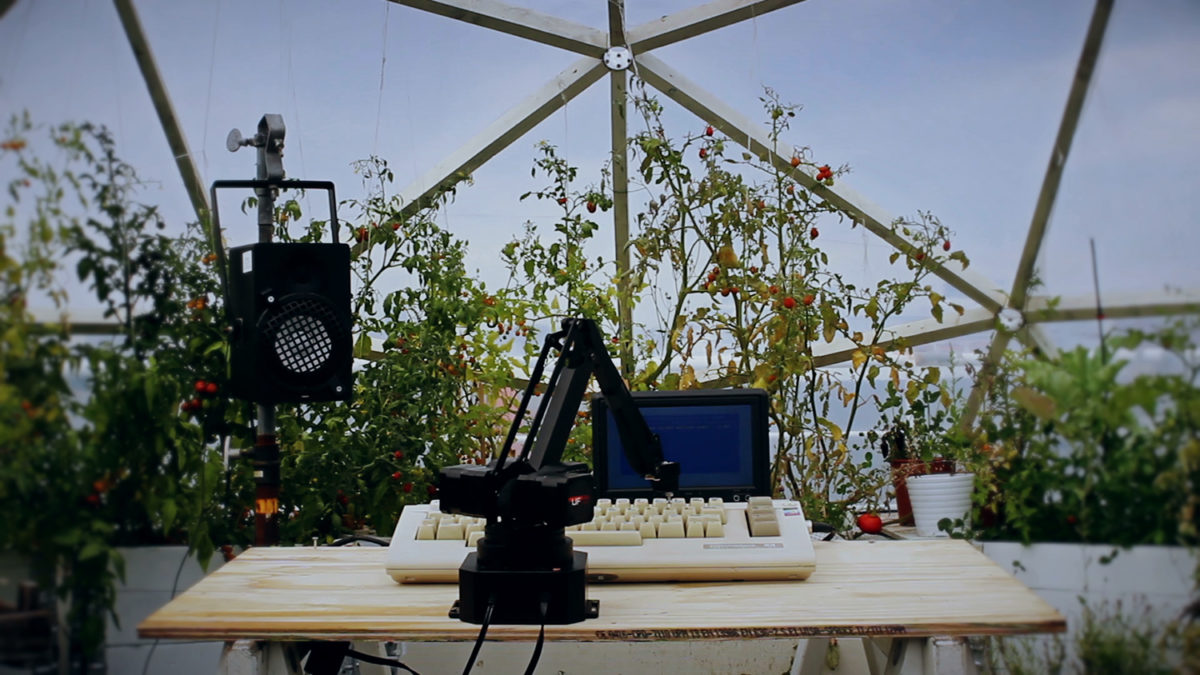
Robot music is an ongoing robotic research project between Goto80 and Jacob Remin, centered around automation, creation and loss of control. The project was initiated in 2017 and has been shown in various forms at Illutron (Copenhagen), Algomech Festival (Sheffield), Internetdagarna (Stockholm), 34C3 (Leipzig), among others.[1]

Central to robot music, is robotic arms that play music on a Commodore 64 and other sound machines. The robot remixes pre-made songs, or makes its own. While the robot performs, the artists sit next to it to talk to people about robots being “creative” and “stealing our jobs”. [1]

Satellite Lamps
https://www.youtube-nocookie.com/embed/gRAVMBcsp4E

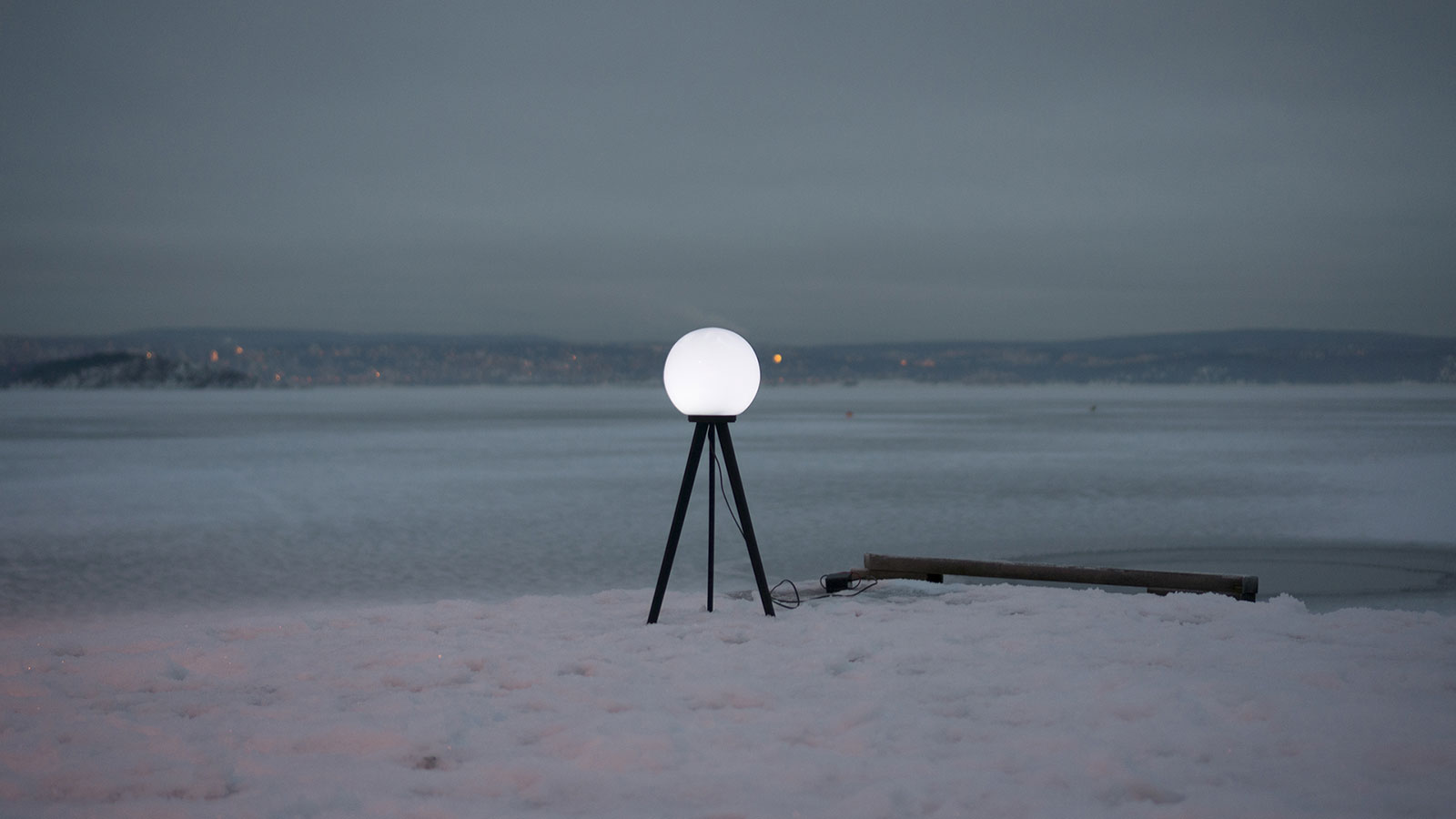
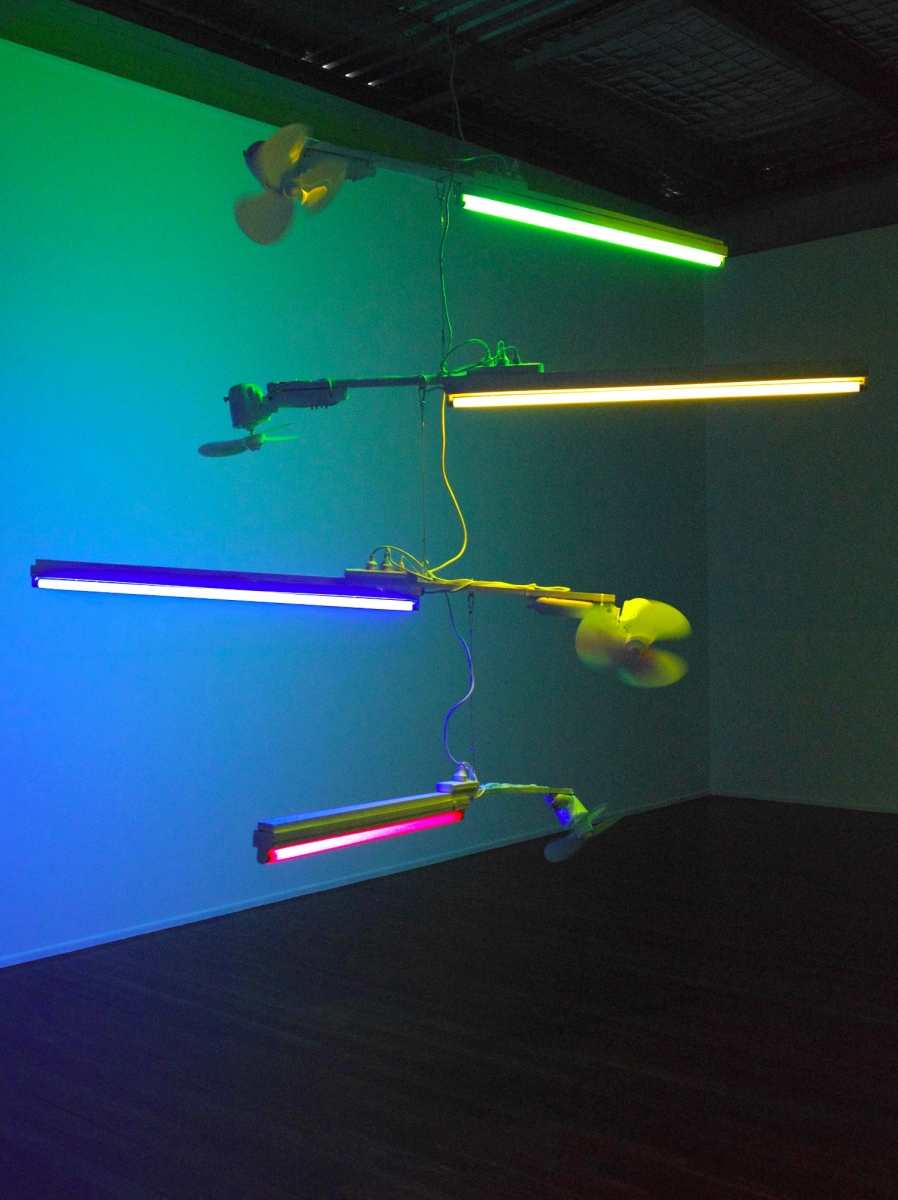
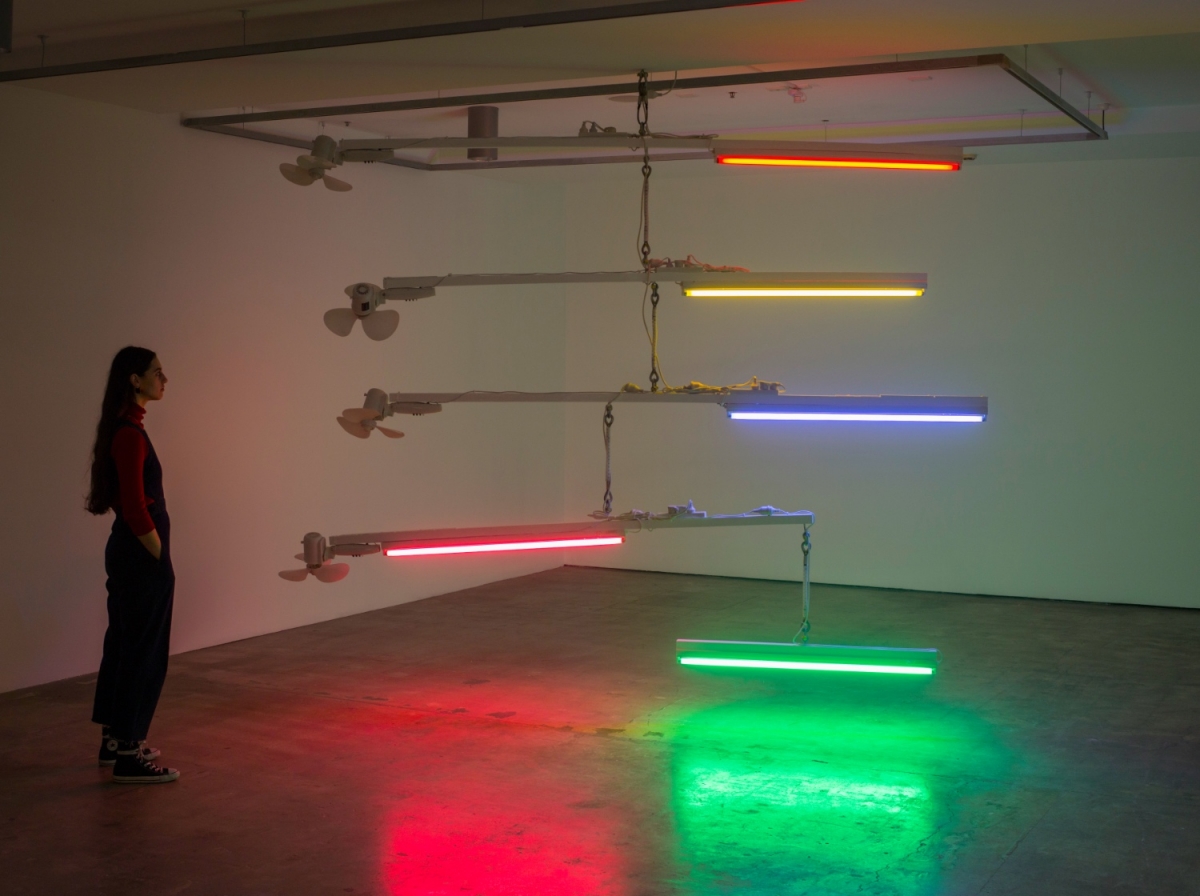
Satellite Lamps is a project that reveals one of the most significant contemporary technology infrastructures, the Global Positioning System (GPS).[1]

“Satellite Lamps shows that GPS is not a seamless blanket of efficient positioning technology; it is a negotiation between radio waves, earth-orbit geometry and the urban environment. GPS is a truly impressive technology, but it also has inherent seams and edges.”[1]

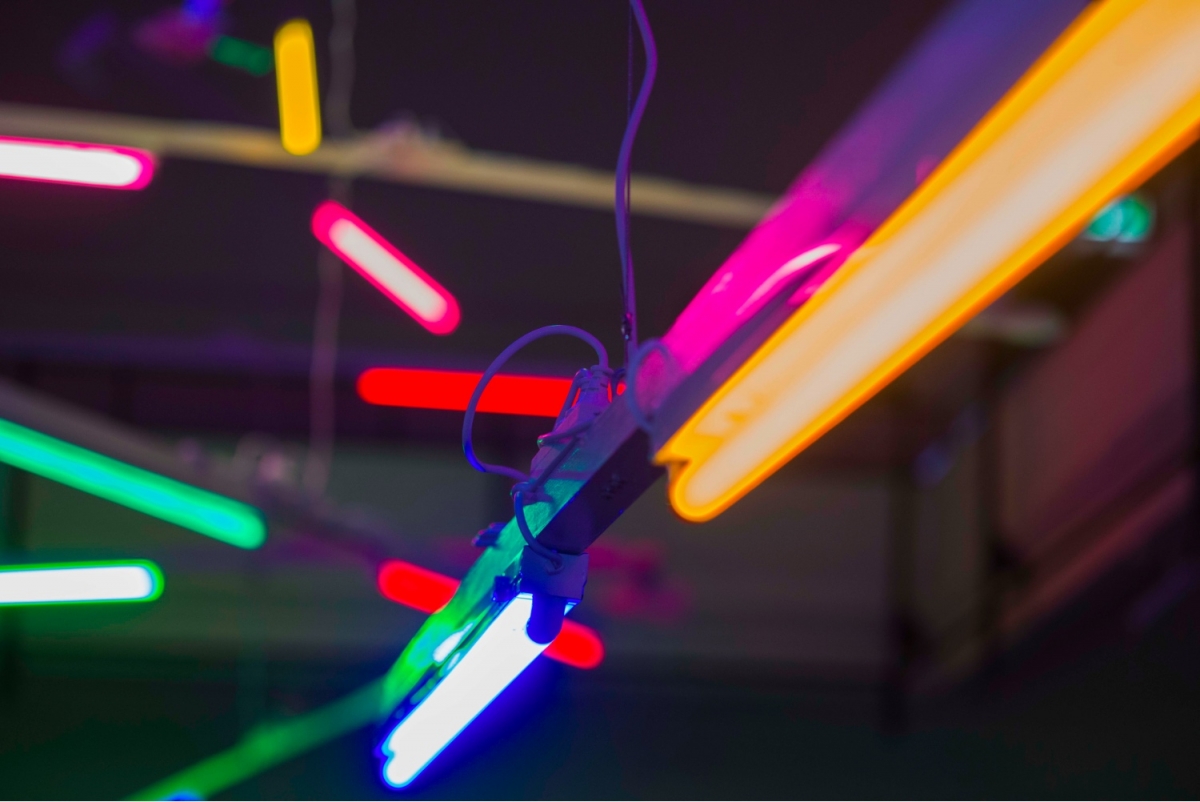
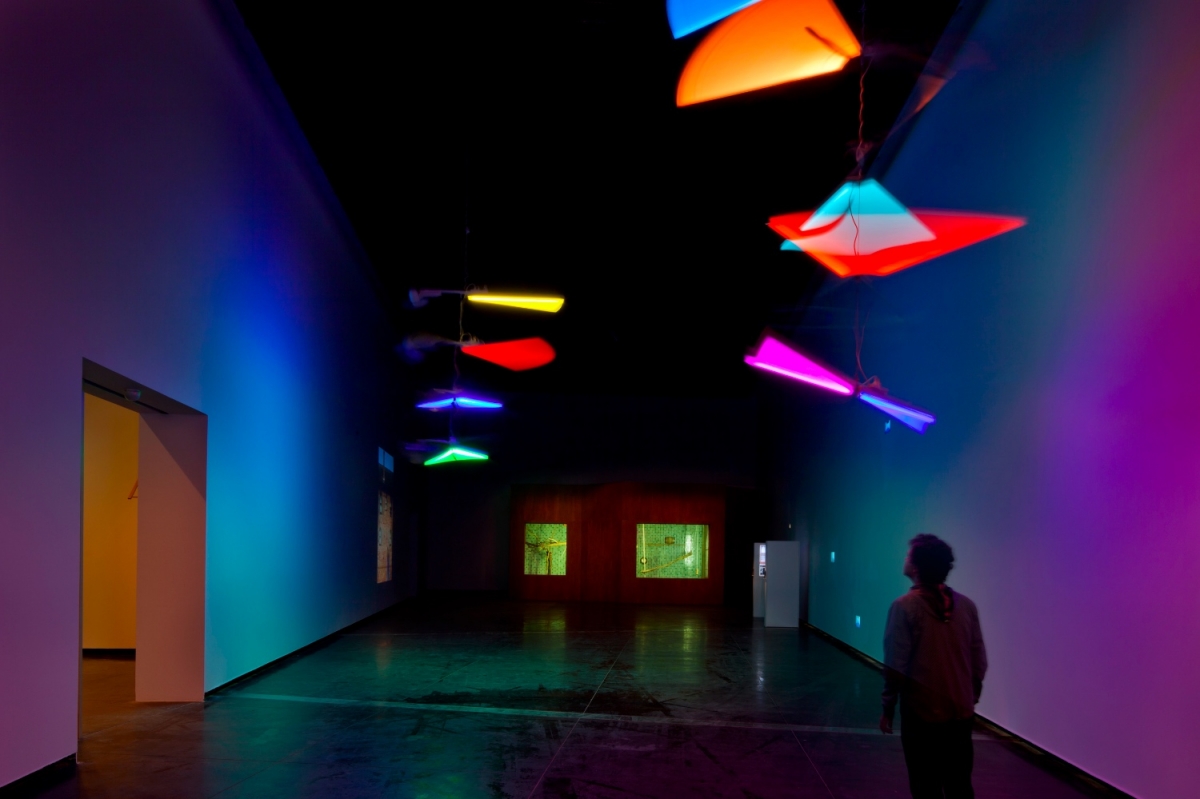
Satellite Lamps is a series of lamps that change brightness according to the accuracy of received GPS signals, and when we photograph them as timelapse films, we start to build a picture of how these signals behave in actual urban spaces.[1]

https://player.vimeo.com/video/274701383

From the artist's website:

Stasis in Flux is an experimentation of animation's potential to mimic the real. I began by building a functional zoetrope within 3D space to test if persistence of vision is replicated accurately. From this experiment I realized 3D animations potential to go beyond the physical limits of the real, allowing me to coordinate movements between both the camera and the zoetrope to replicate much more advanced cinematic techniques. The result is a carefully choreographed animation that represents the ebb and flow of the creative process. [1]

Fata MorganaFata MorganaFata Morgana

A Fata Morgana is an unusual and very complex form of mirage. It is usually seen in a narrow band right above the horizon. Fata Morgana mirages tremendously distort the object or objects which they are based on, such that the they often appear to be very unusual, and may even be transformed in such a way that it is completely unrecognizable. Fata Morgana can be seen on land or at sea, in polar regions or in deserts.[1]

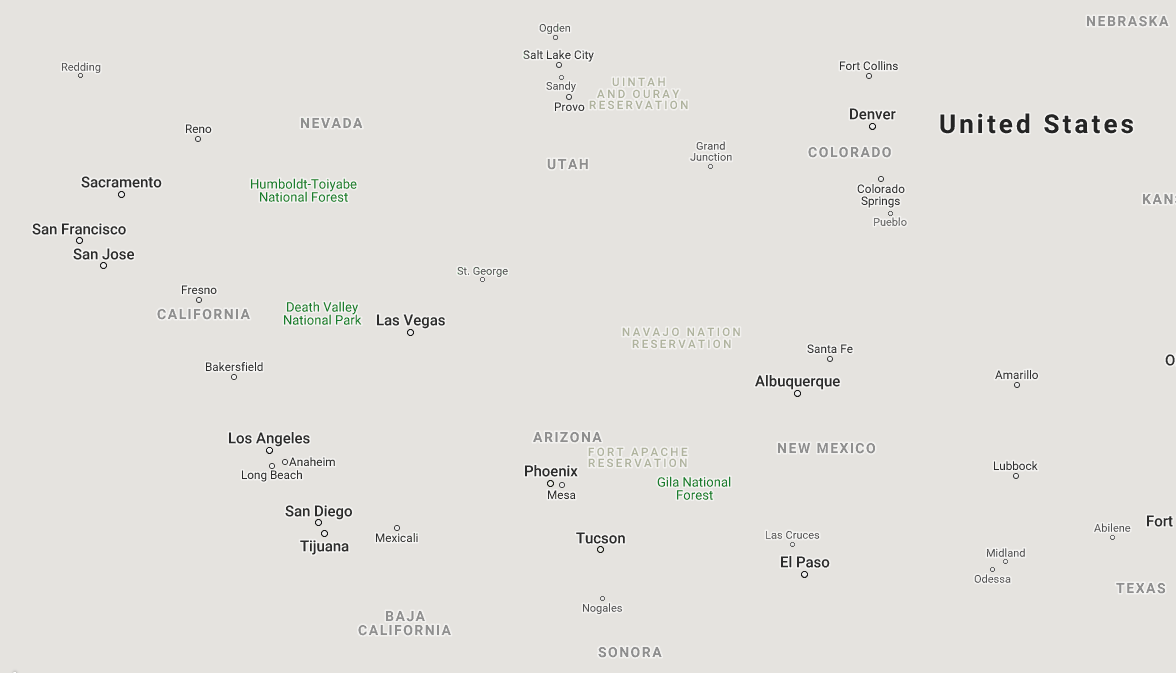
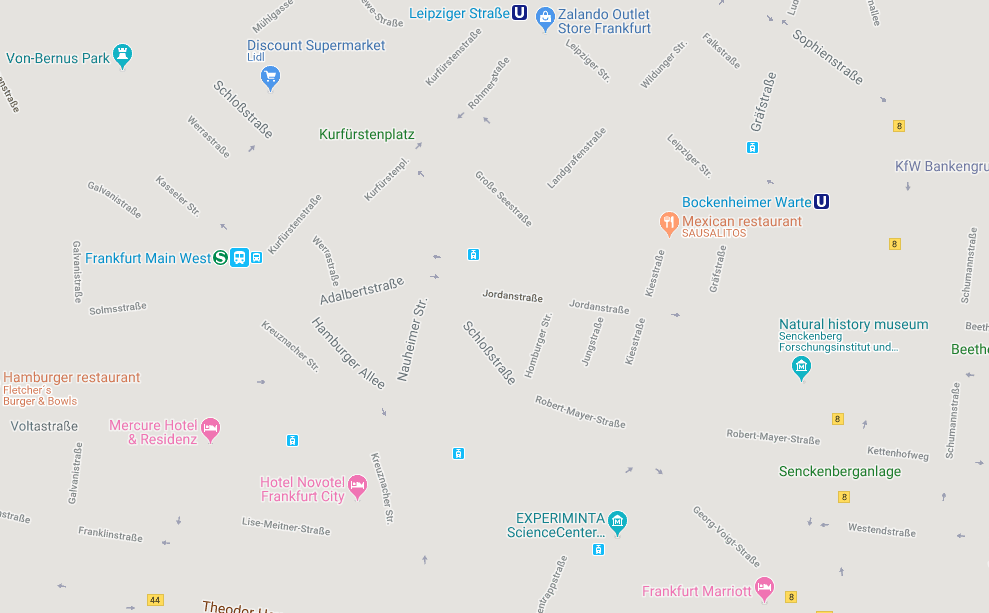
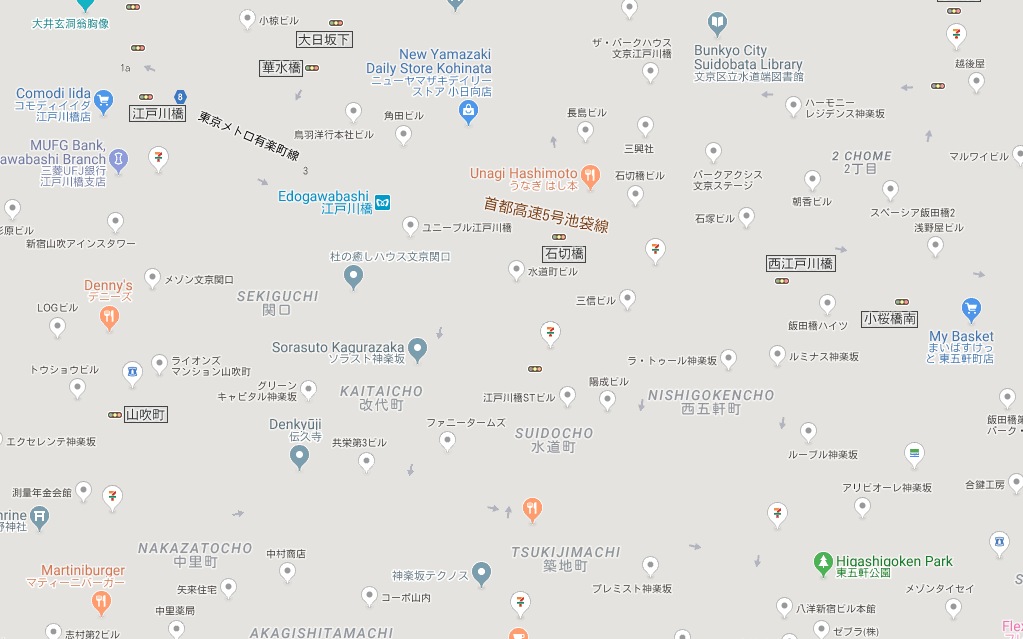
Solarsteinn / Fata Morgana by Damon Zucconi is an application that removes the map from googlemap, leaving only the names of places. Like in the phenomena of optical illusions / mirage, Zucconi speculates on the actual existence of real locations:[1]

Seasoned explorers, vehemently insisting on what they had seen, set down mountains and islands on their charts where there was nothing but empty sky ... Expeditions sent out later to verify these new lands sometimes saw the same fata morgana, further confusing the issue. Only by prolonging their arduous journeys, thereby observing a constant receding of the image, did they prove that the land was not there at all. [2]

From URME Surveillance:

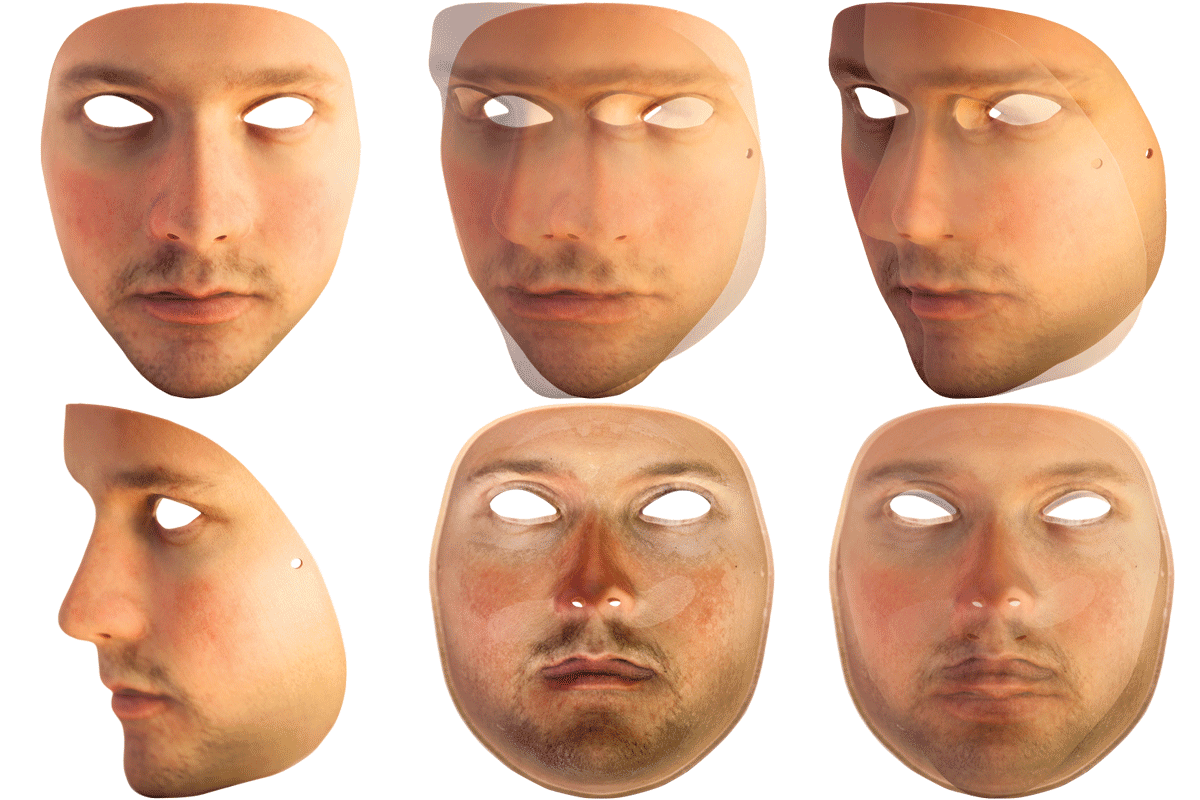
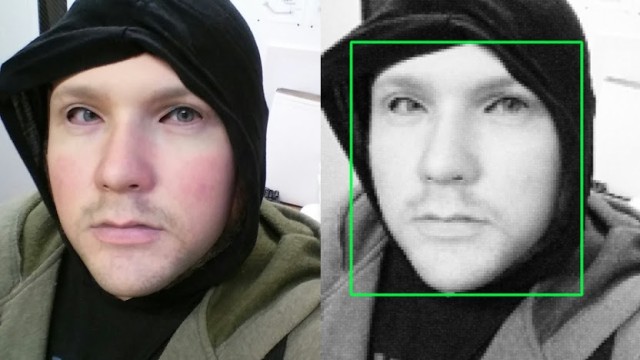
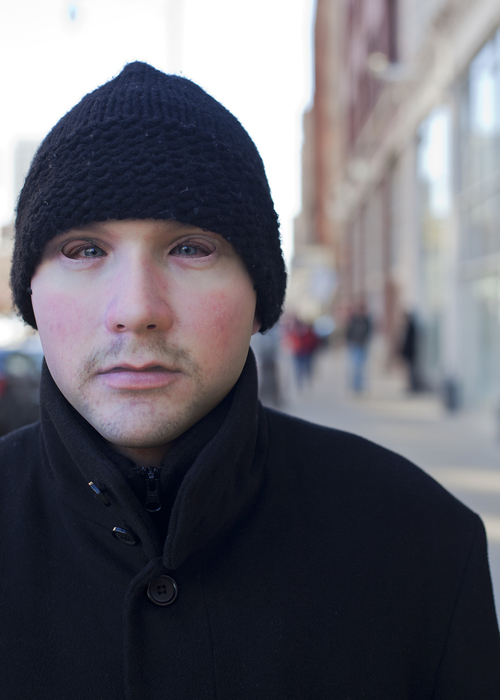
The URME Personal Surveillance Identity Prosthetic demonstrates the latest in 3D printing technology. Made from a pigmented hard resin, this mask is both a 3D scan of artist Leo Selvaggio's face, as well as photo realistic rendering of his features, such as skin tone, texture and hair. This technology is made possible by the folks over at ThatsMyFace.com. Their products have been seen on CNN, MSNBC, Gizmodo, The Big Bang Theory, and now on URME Surveillance.

People have been hiding from surveillance since the begining of networked cameras. Unfortunately wearing a ski mask in public makes you a pretty easy target. its fairly easy to track on camera, and even if the camera doesn't see you, EVERYONE else will. "Why is that dude wearing a ski mask?" Etc, etc. In response, URME Surveillance has developed a state of the art identity replacement tech in the Personal Surveillance Identity Prosthetic. The basic gist is that rather than hide from cameras, simply give them a face other than your own to track without drawing attention to yourself in a crowd. In other words, when you're out in the world doing whatever you are doing, all your actions, which are being recorded are documented as the actions of someone other than yourself, freeing you from any threat of surveillance.

From transparencygrenade.com:

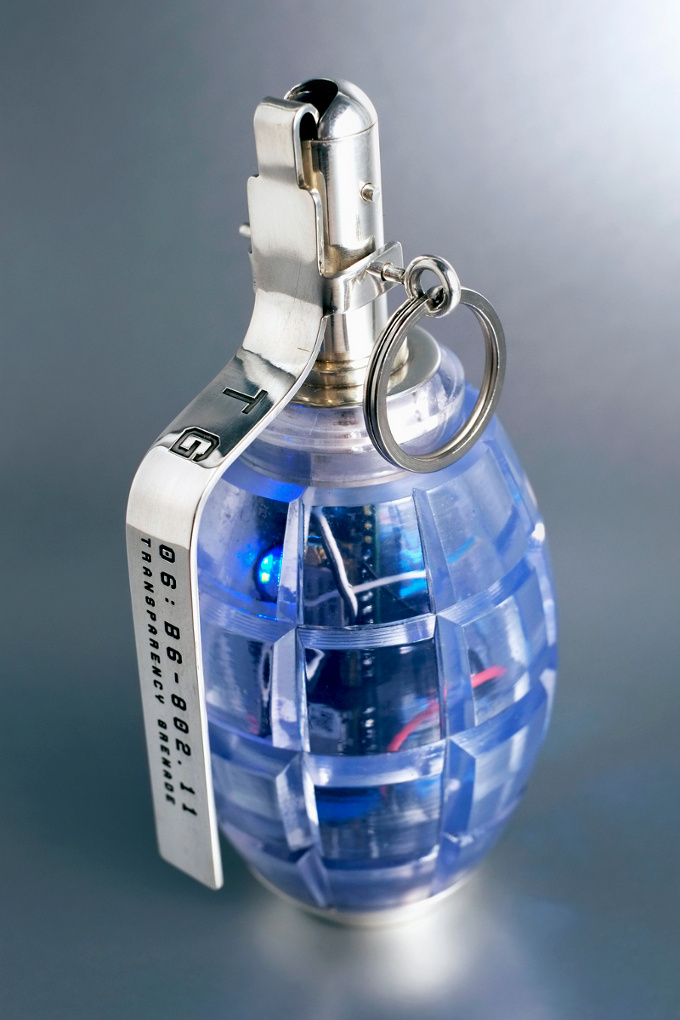
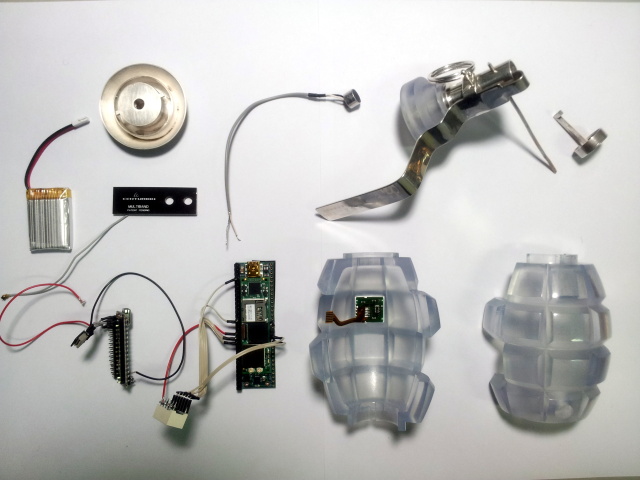
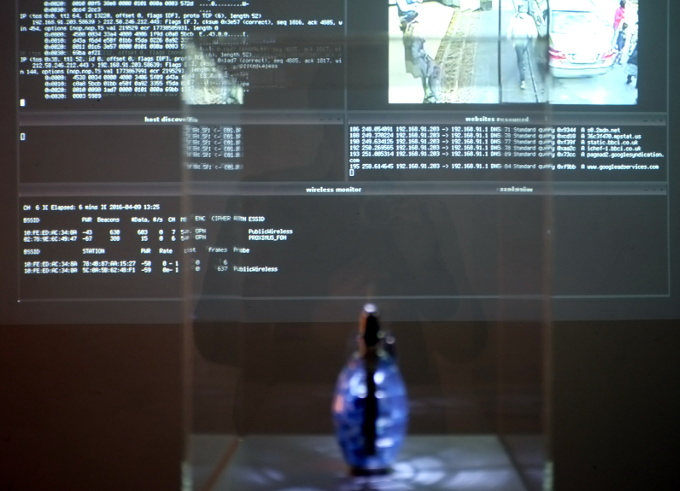
Equipped with a tiny computer, microphone and powerful wireless antenna, the Transparency Grenade captures network traffic and audio at the site and securely and anonymously streams it to a dedicated server where it is mined for information. User names, hostnames, IP addresses, unencrypted email fragments, web pages, images and voice extracted from this data and then presented on an online, public map, shown at the location of the detonation.

The volatility of information in networked, digital contexts frames a precedent for clamouring (and often unrealistic) attempts to contain it. This increasingly influences how we use networks and think about the right to information itself; today we see the fear of the leak actively exploited by law makers to afford organisations greater opacity and thus control..

This anxiety, this 'network insecurity', impacts not just upon the freedom of speech but the felt instinct to speak at all. It would now seem letting public know what's going on inside a publicly funded organisation is somehow to do 'wrong' -Bradley Manning a sacrificial lamb to that effect..

Meanwhile, civil servants and publicly-owned companies continue to make decisions behind guarded doors that impact the lives of many, often leaving us feeling powerless to effect change, both in and out of a democratic context.

The Transparency Grenade seeks to capture these important tensions in an iconic, hand-held package while simultaneously opening up a conversation about just how much implicit trust we place in network infrastructure; infrastructure that reaches ever more deeply into our lives.