foundyou.online - Directory for New Media Art
Open Filters

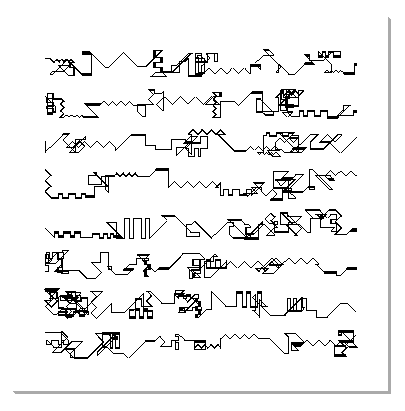
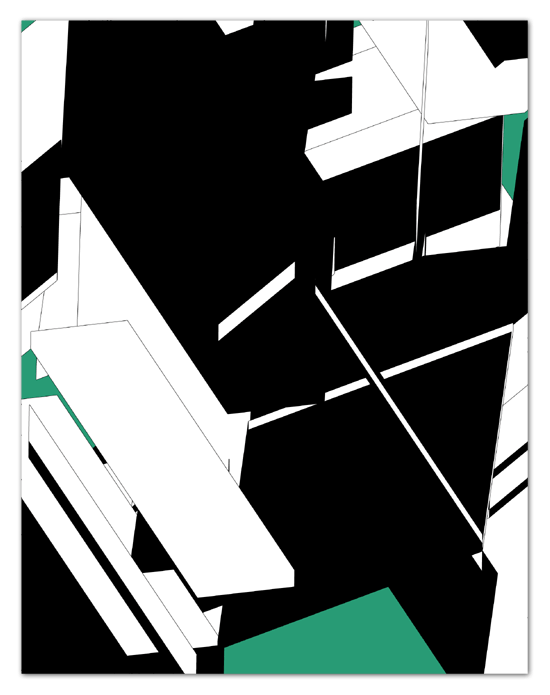
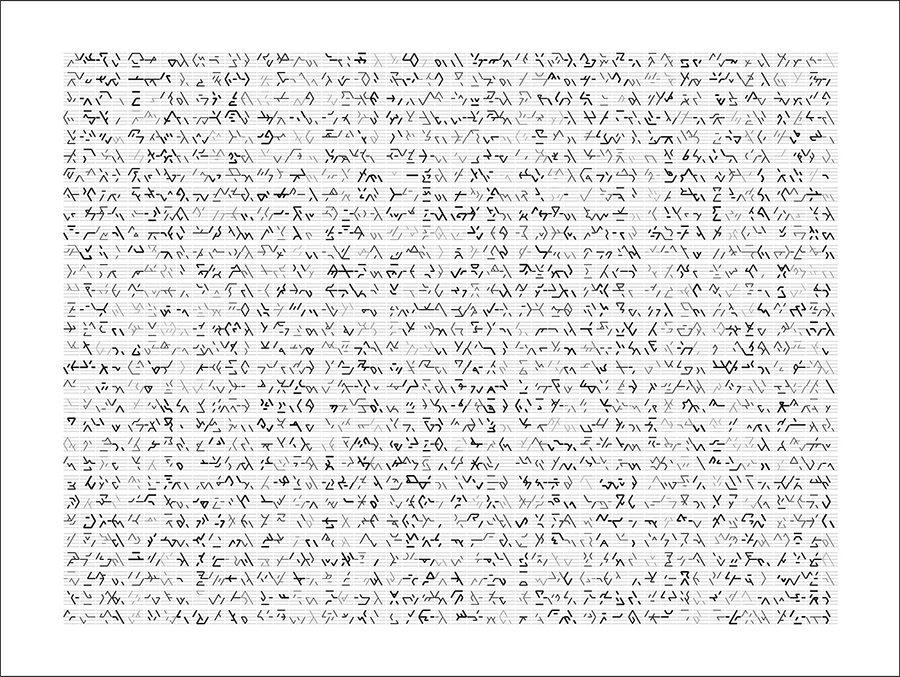
Manfred Mohr is considered a pioneer of digital art based on algorithms. After discovering Prof. Max Bense's information aesthetics in the early 1960's, Mohr's artistic thinking was radically changed. Within a few years, his art transformed from abstract expressionism to computer generated algorithmic geometry. Further encouraged by discussions with the computer music composer Pierre Barbaud whom he met in 1967, Mohr programmed his first computer drawings in 1969. Since then all his artwork is produced exclusively with the computer. Mohr develops and writes algorithms for his visual ideas. Since 1973, he generates 2-D semiotic graphic constructs using multidimensional hypercubes. [1]

References:1. https://www.emohr.com/2. Biography [Manfred Mohr (emohr.com)]3. Biography [Manfred Mohr (emohr.com)]

From Wikipedia:

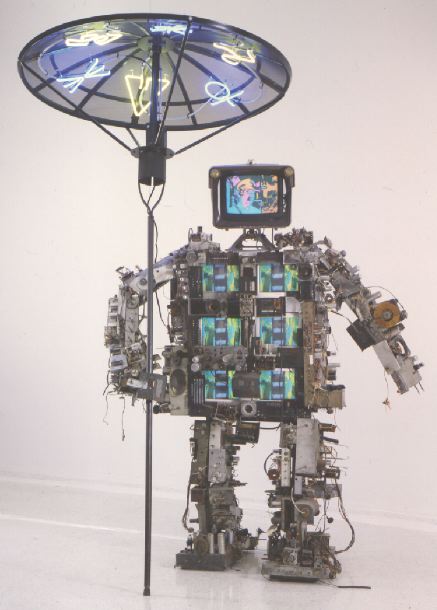
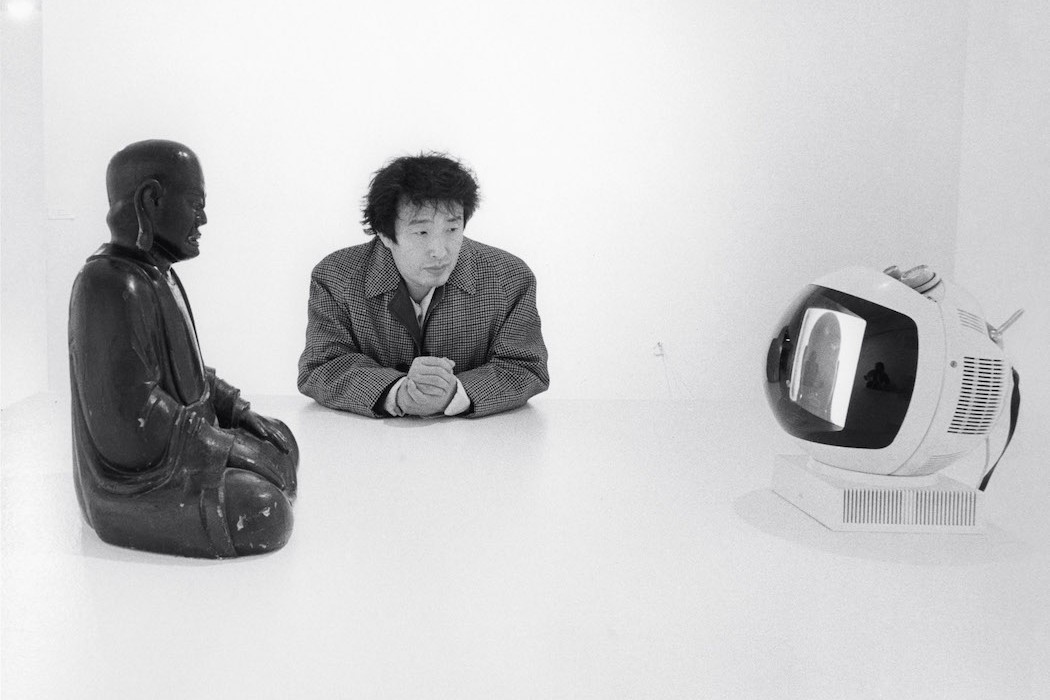
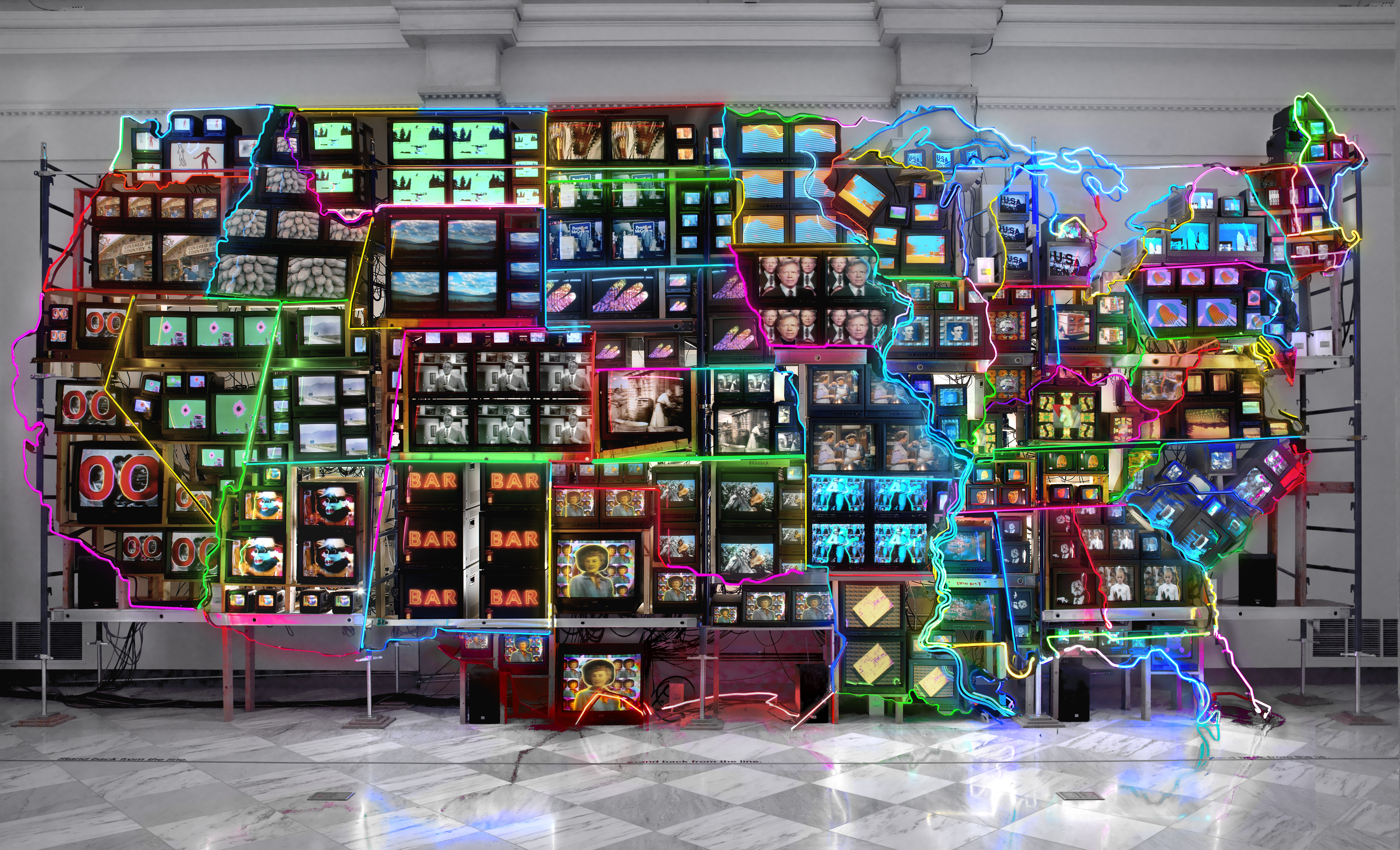
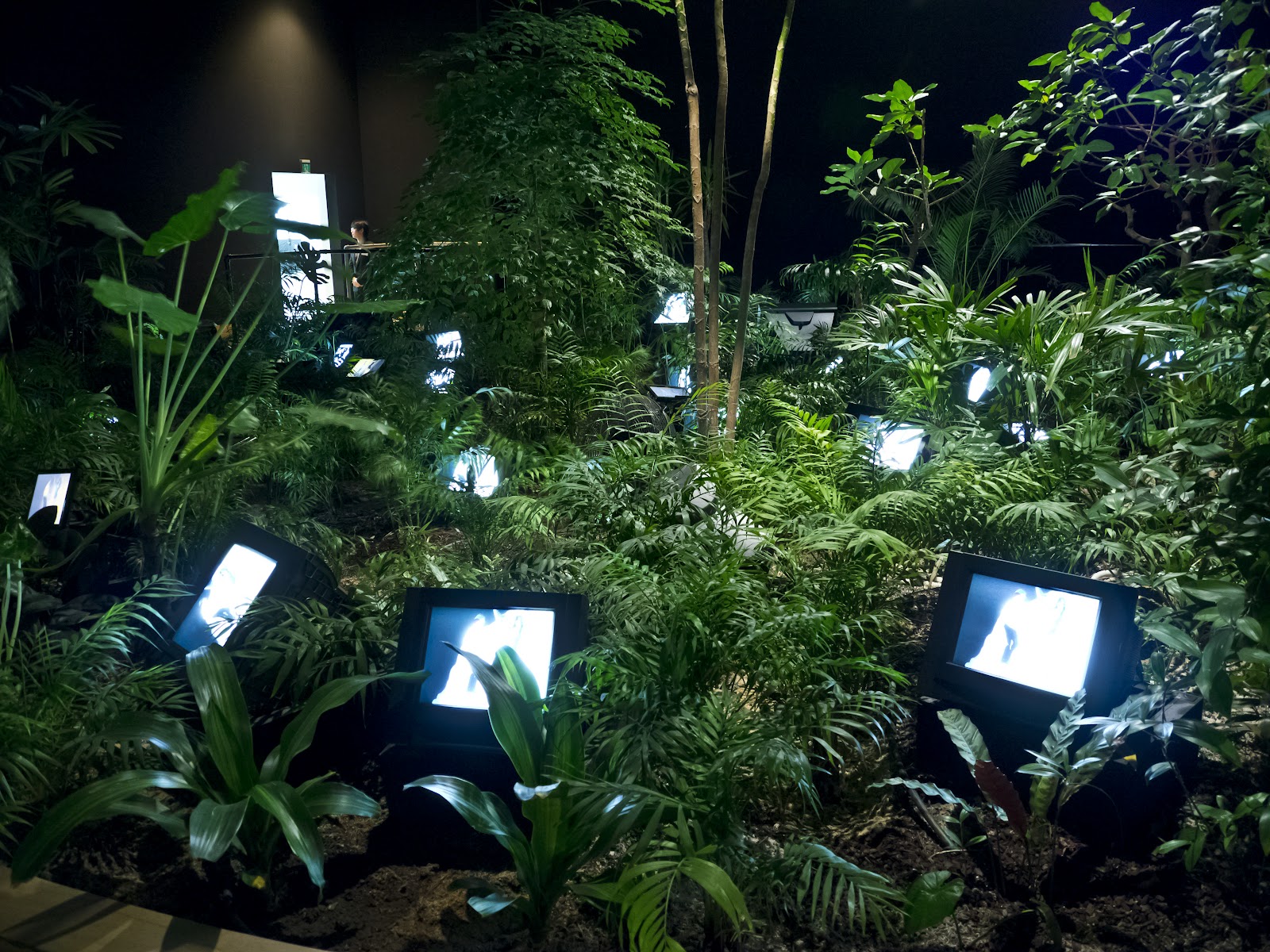
Nam June Paik (July 20, 1932 – January 29, 2006) was a Korean American artist. He worked with a variety of media and is considered to be the founder of video art. He is credited with an early usage (1974) of the term "electronic super highway" in application to telecommunications.

From Theartstory.org:

Nam June Paik, known as "the father of video art," surfed the forefront of cutting edge technologies and utilized them to realize artworks, the likes the world had never yet seen. His various experiments positioned video as a viable art form, and a tool toward accomplishing widespread, global connectivity - an oeuvre eerily prophetic to our contemporary information age. His revolutionary practice laid the groundwork for today's artists working in new media art.

From Whitney:

As the preeminent institution devoted to the art of the United States, the Whitney Museum of American Art presents the full range of twentieth-century and contemporary American art, with a special focus on works by living artists. The Whitney is dedicated to collecting, preserving, interpreting, and exhibiting American art, and its collection—arguably the finest holding of twentieth-century American art in the world—is the Museum's key resource. The Museum's signature exhibition, the Biennial, is the country's leading survey of the most recent developments in American art.

Innovation has been a hallmark of the Whitney since its beginnings. It was the first museum dedicated to the work of living American artists and the first New York museum to present a major exhibition of a video artist (Nam June Paik in 1982). Such figures as Jasper Johns, Cy Twombly, and Cindy Sherman were given their first museum retrospectives by the Whitney. The Museum has consistently purchased works within the year they were created, often well before the artists became broadly recognized. The Whitney was the first museum to take its exhibitions and programming beyond its walls by establishing corporate-funded branch facilities, and the first museum to undertake a program of collection-sharing (with the San Jose Museum of Art) in order to increase access to its renowned collection.

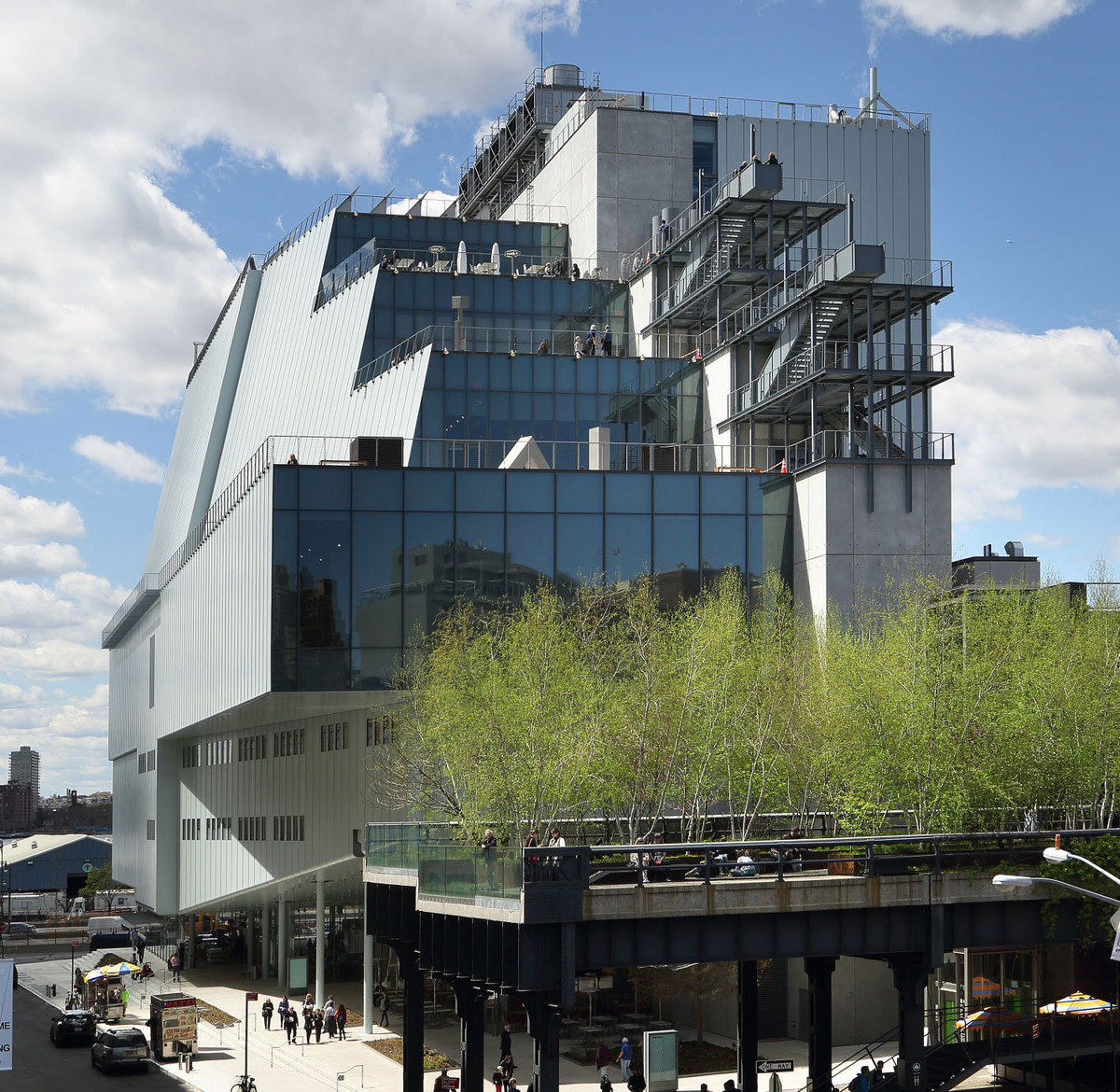
Designed by architect Renzo Piano and situated between the High Line and the Hudson River, the Whitney's new building vastly increases the Museum’s exhibition and programming space, providing the most expansive view ever of its unsurpassed collection of modern and contemporary American art.
References:1. https://whitney.org/about2. About the Whitney [Whitney Museum of American Art]