foundyou.online - Directory for New Media Art
Open Filters

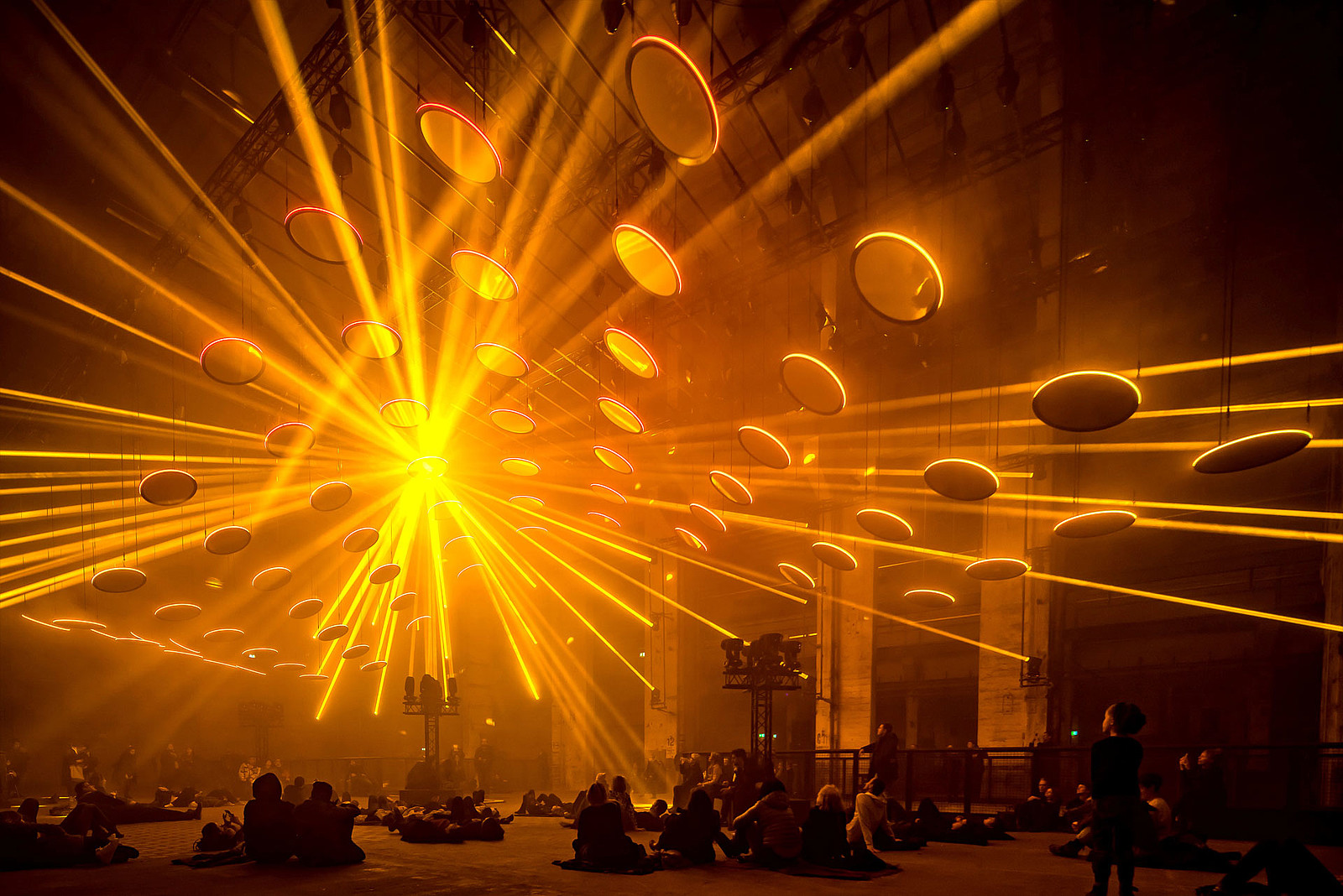
Over 20+ years, CTM has been highlighting new strains of pop and fringe cultures that venture through the weird, the challenging, the cathartic, the esoteric, the contagious, and the ecstatic – simultaneously exploring sonic histories, contexts, and political and technological entanglements. Though international in its approach, CTM remains deeply rooted in and committed to Berlin’s DIY and club scenes, from which it emerged in 1999. [1]

Listening and dancing within the gaps between musics, communities, and scenes, CTM defies easy categorisation and tests the current possibilities and limits of sound and music. Programming supports a multitude of voices, backgrounds, experiences, and perspectives – CTM is for all forms of music as long as they dare to experiment, question, and demonstrate conviction. Our work reaches out to all corners of the globe to explore and explode wildly different, experimental, mutating global scenes. [1]

CTM is an independent, non-profit initiative built, from the very start, on constant collaboration. We work closely with artists, guest curators, and researchers to support them in realising new projects and to produce and transmit new knowledge across performances, exhibitions, talks and artistic labs, writing, and more. Through a multi-perspective approach, we aim to respond to the diversity of an increasingly polycentric, polychromatic, and hybrid (music) world, always with empathy, openness, and a desire to counter global asymmetries. [1]

Because of CTM’s mutually collaborative nature, activities highlight a large and ever-expanding range of practices in and around sound. Through yearly themes, the festival experiments with formats, locations, technologies, and ways of listening, creating multiple entry points from which to engage with sound and their contexts. [1]

Music is not a parallel world, but rather a seismograph of our current societies, a powerful force with which to cope with uncertainty and change, and a medium through which to imagine different futures. [1]

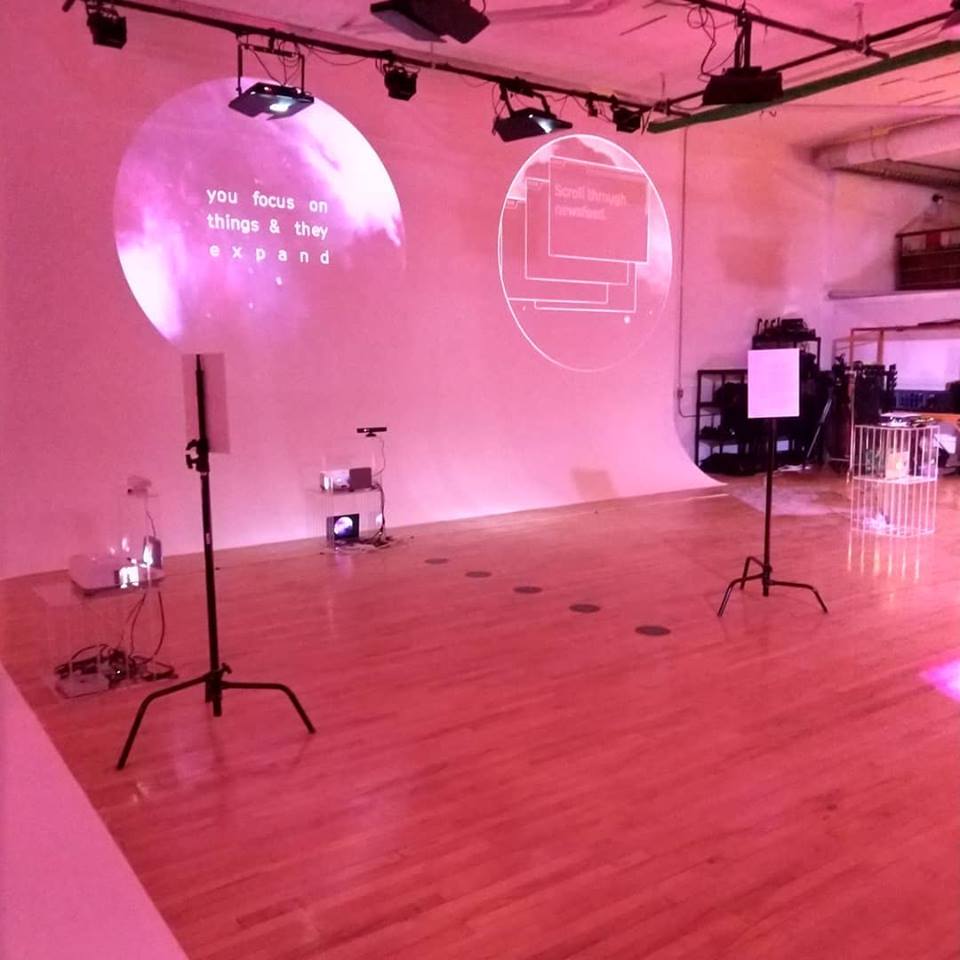
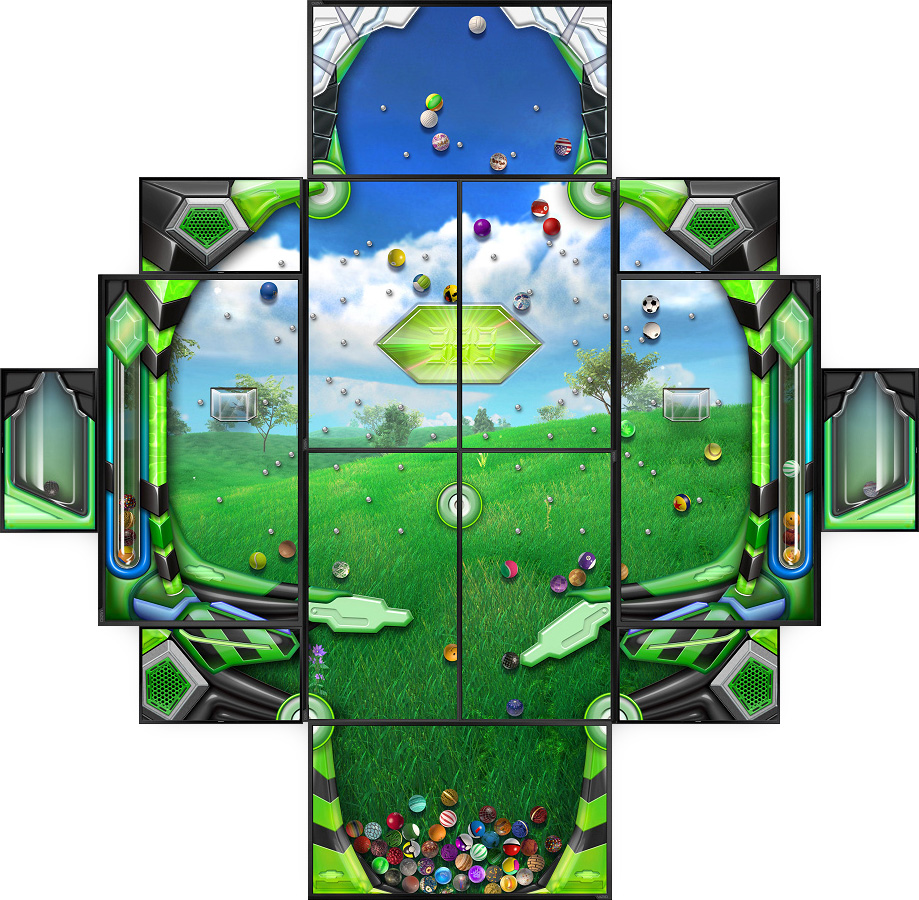
Laboratory provides space and support for interactive art in Spokane, Washington. What is interactive art? We want to support artistic experiences that go beyond either ‘something on a wall’ or ‘something on a stage’. We’re interested in art that creates experiences, where the viewer/user is an integral part in their own experience, where they can touch, manipulate, and, well, interact with the stuff they’re seeing. We want people to feel that art is something that they’re a part of, not just something they look at from a distance and move on. [1]

Laboratory is focused specifically on supporting the development of interactive art. So, we’re interested in artists whose work changes or reacts to audience participation, the changing environment, or other sources of real-time data. Because of this, we tend to have a lot of people who do digital/new media work, but we try hard to be open to other media too. Is your project a wall of paint that people are encouraged to come up and smudge around? A sculpture to be climbed on? Great! Basically, anything that actively involves the viewer, or relies on some kind of data, we’re all for it. [2]

A space and medium dedicated to post-Internet cultures.

Since its opening in 2011, La Gaîté Lyrique is both a space and a medium, a living space centred around research, creation, experimentation and sharing, a space open to all audiences. As witnesses of our hyper-connected era, our focus is on post-Internet cultures: these emerging artistic practices, born on or transformed by the Internet, sit at the intersection between art, new technologies and societal issues. They are rampant, resolutely popular, often festive, sometimes marginalized. [1]

In a time when the use of innovative digital tools leads to the multiplication and hybridization of musical styles, La Gaîté Lyrique explores the rich field of contemporary music, its primary area of interest. But it also celebrates the dance movements that are born and shared online, the podcasts and video games that transform the way we tell stories, the virtual reality tools that renew our perception of the world, the design narratives that help imagine the future, the creative models born from blockchain, and all the art forms that shape the world of tomorrow.[1]

Via a multidisciplinary programme –packed with concerts, exhibitions, talks, performances and workshops– that favours immersion, experimentation, narration, collective experience, entertainment and engagement, La Gaîté Lyrique’s mission is to welcome the artists who are making their mark on society and to support each and every citizen in their discovery and understanding of post-Internet cultures. [1]

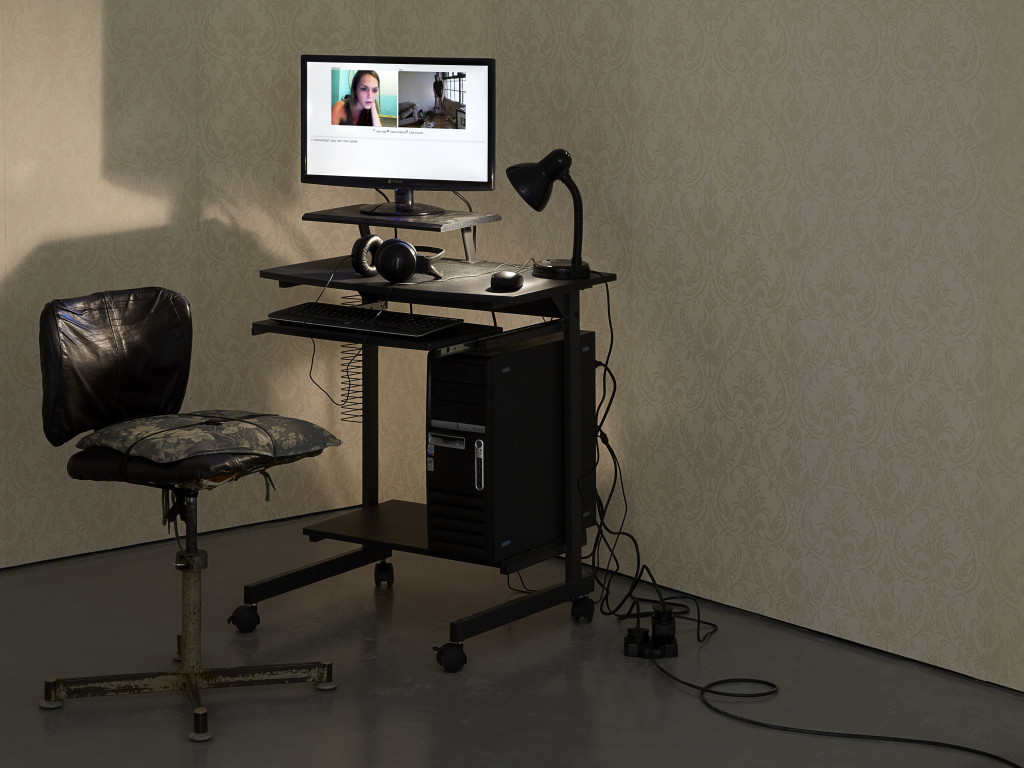
No FunExhibition view, Carroll/Fletcher, London
https://player.vimeo.com/video/11467722

No Fun is the video of an online performance in which we simulated a suicide and filmed viewers’ reactions. It is staged on a popular website that pairs random people from around the world for webcam-based conversations. Thousands watched him hanging from the ceiling, swinging slowly for hours, without being able to know whether it was reality or fiction. They unwittingly became the subject of the work. [1]

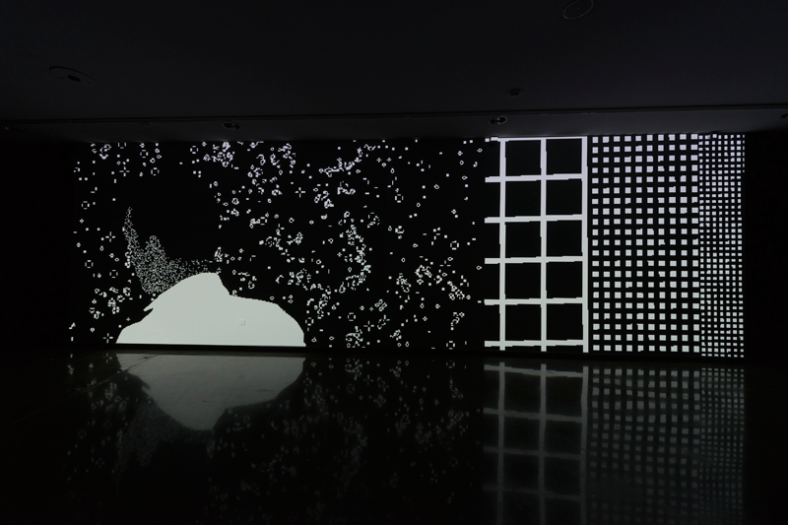
Marpi is a Polish-born, San Francisco-based artist who creates interactive, scalable work across multiple platforms in digital and physical space. In his current practice, he designs and builds vast digital ecosystems that encompass both environments and creatures that are brought into being and shaped by users. His recent work provides different windows into the same universe, where sound, gestures, and other inputs from our world provide the basis for completely new forms of life.[1]

Marpi creates work through Marpi Studios. He works with a small network of creative collaborators - designers, technologists, musicians, and others - to create exhibits, events, and other commissions throughout the world.[1]

Robot MusicRobot Music
https://www.youtube-nocookie.com/embed/pxhLrtkYNYw
https://www.youtube-nocookie.com/embed/YfoWAWyIV8I

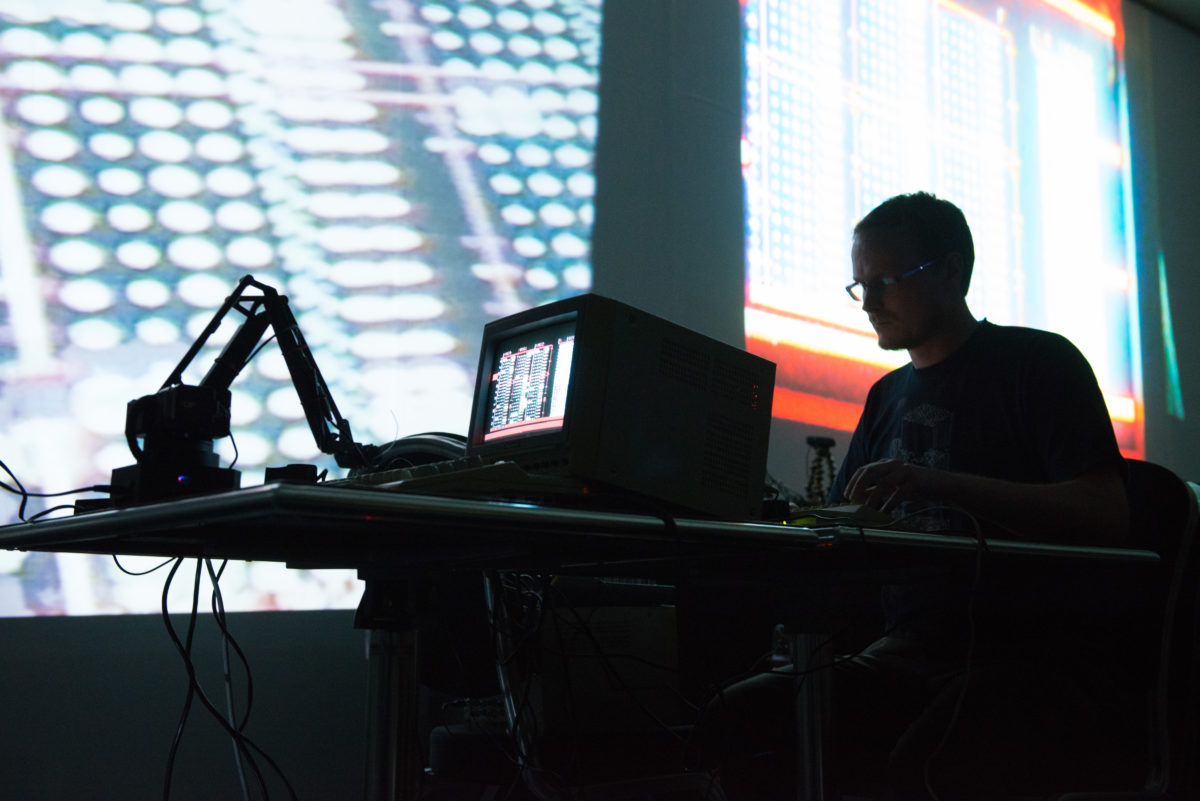
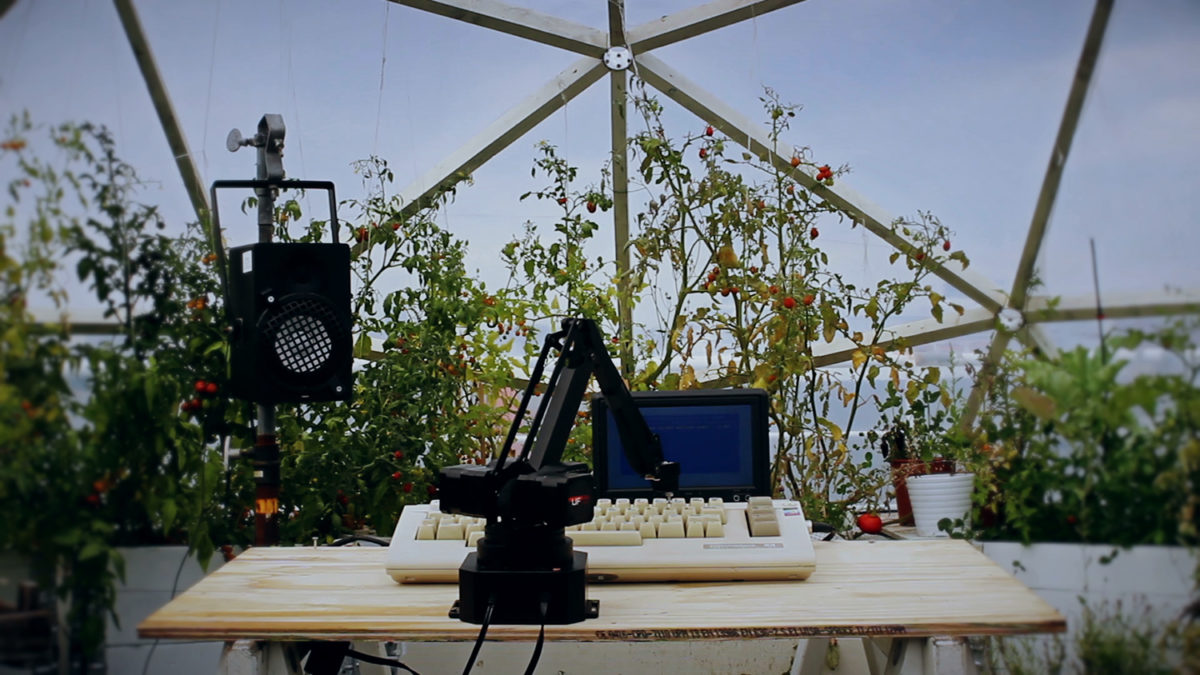
Robot music is an ongoing robotic research project between Goto80 and Jacob Remin, centered around automation, creation and loss of control. The project was initiated in 2017 and has been shown in various forms at Illutron (Copenhagen), Algomech Festival (Sheffield), Internetdagarna (Stockholm), 34C3 (Leipzig), among others.[1]

Central to robot music, is robotic arms that play music on a Commodore 64 and other sound machines. The robot remixes pre-made songs, or makes its own. While the robot performs, the artists sit next to it to talk to people about robots being “creative” and “stealing our jobs”. [1]

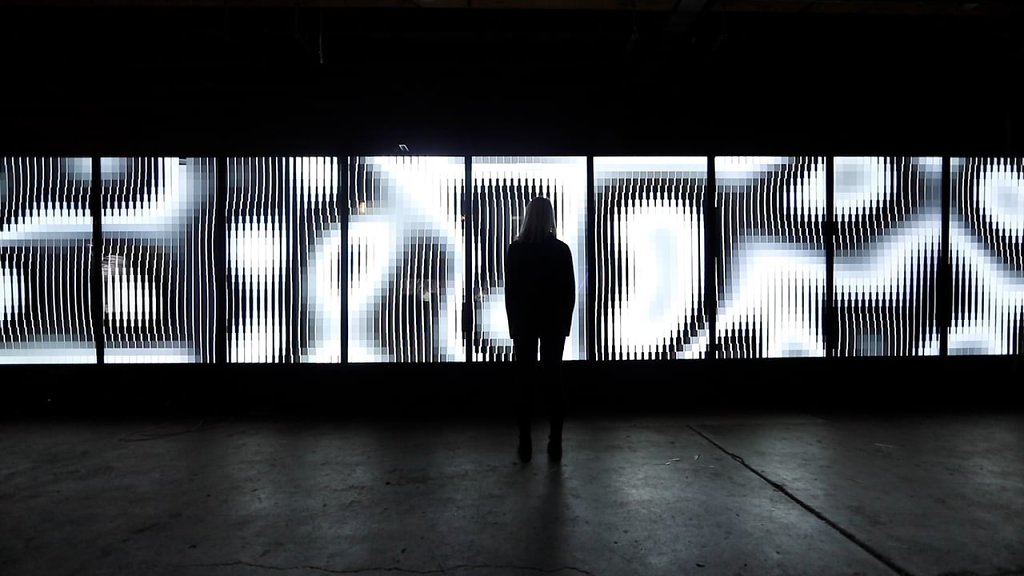
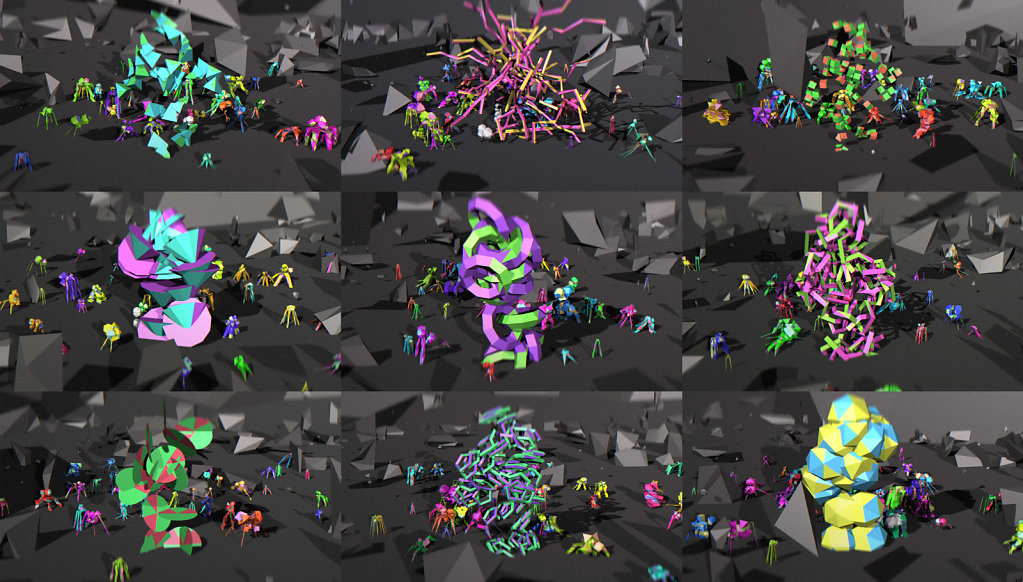
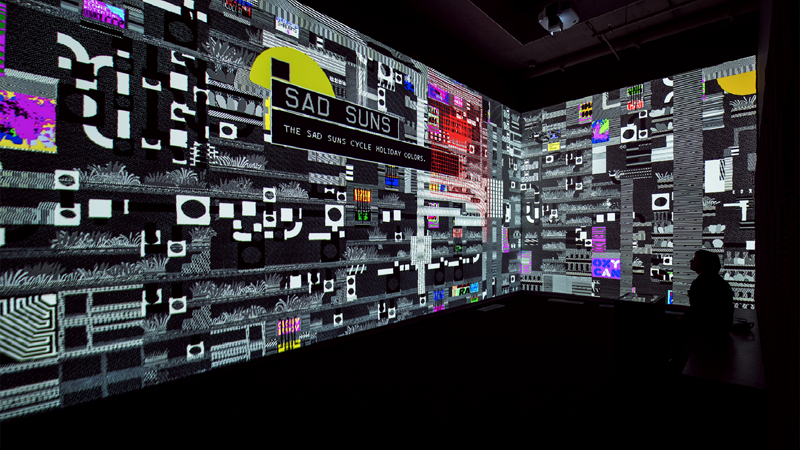
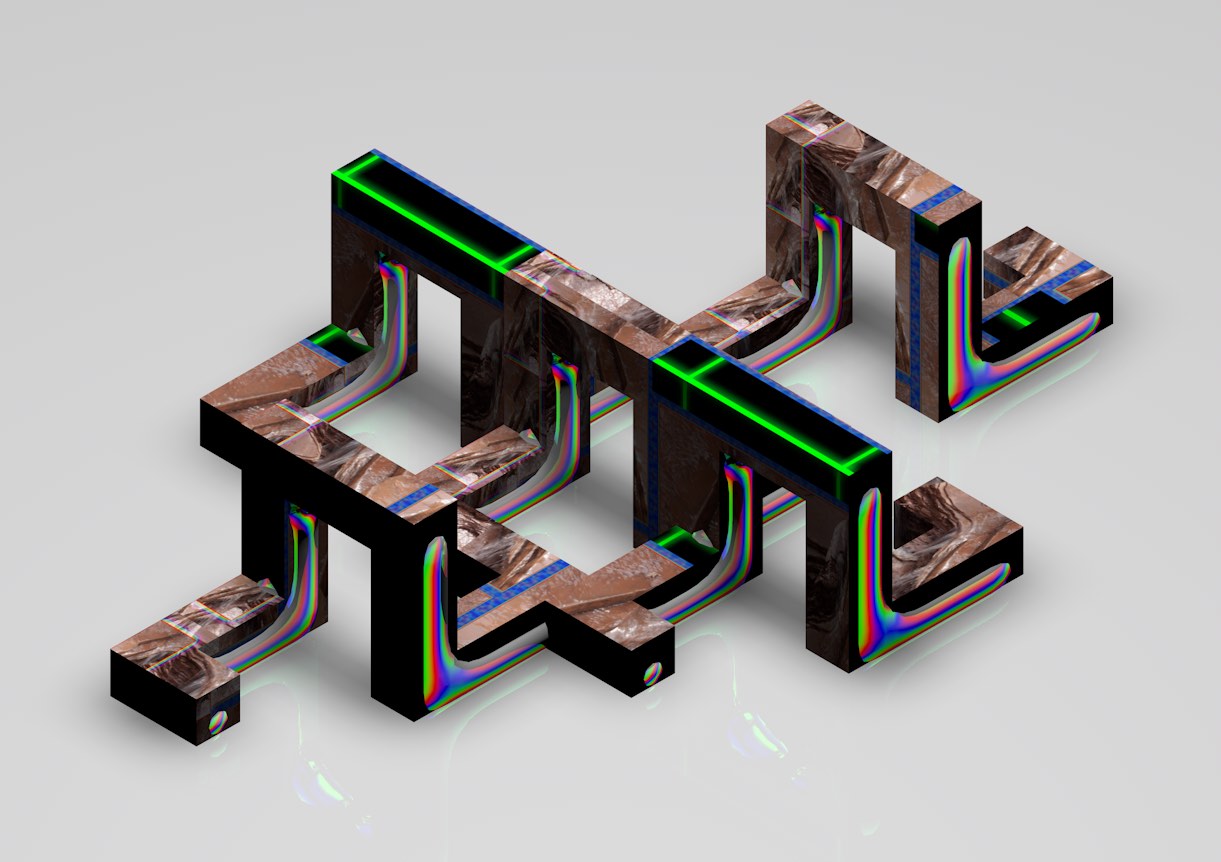
Peter Burr is an artist from Brooklyn specializing in animation and installation. Using computer animation to create images and environments that hover on the boundary between abstraction and figuration, Burr has in recent years devoted himself to exploring the concept of an endlessly mutating labyrinth. Existing as stand-alone pieces, much of his work is also in the process of expanding into a video game through the support of Creative Capital and Sundance. Previously, he worked under the alias Hooliganship, and in 2006 founded the video label Cartune Xprez, through which he produced hundreds of live multimedia exhibitions and touring programs showcasing a multi-generational group of artists at the forefront of experimental animation. Here he discusses ways to stay healthy as a creator, what it means to make art in the digital realm, and the plant-like possibilities of games.[1]

Tabor RobakA* (2014)Tabor RobakA* (2014)Tabor RobakBlossom (2018)Tabor RobakWhere's My Water (2015)Tabor RobakButterfly Room (2015)
https://player.vimeo.com/video/102429088?color=fcfcfc&title=0&byline=0&portrait=0
https://player.vimeo.com/video/216326912
https://player.vimeo.com/video/150692891?color=ffffff&title=0&byline=0&portrait=0

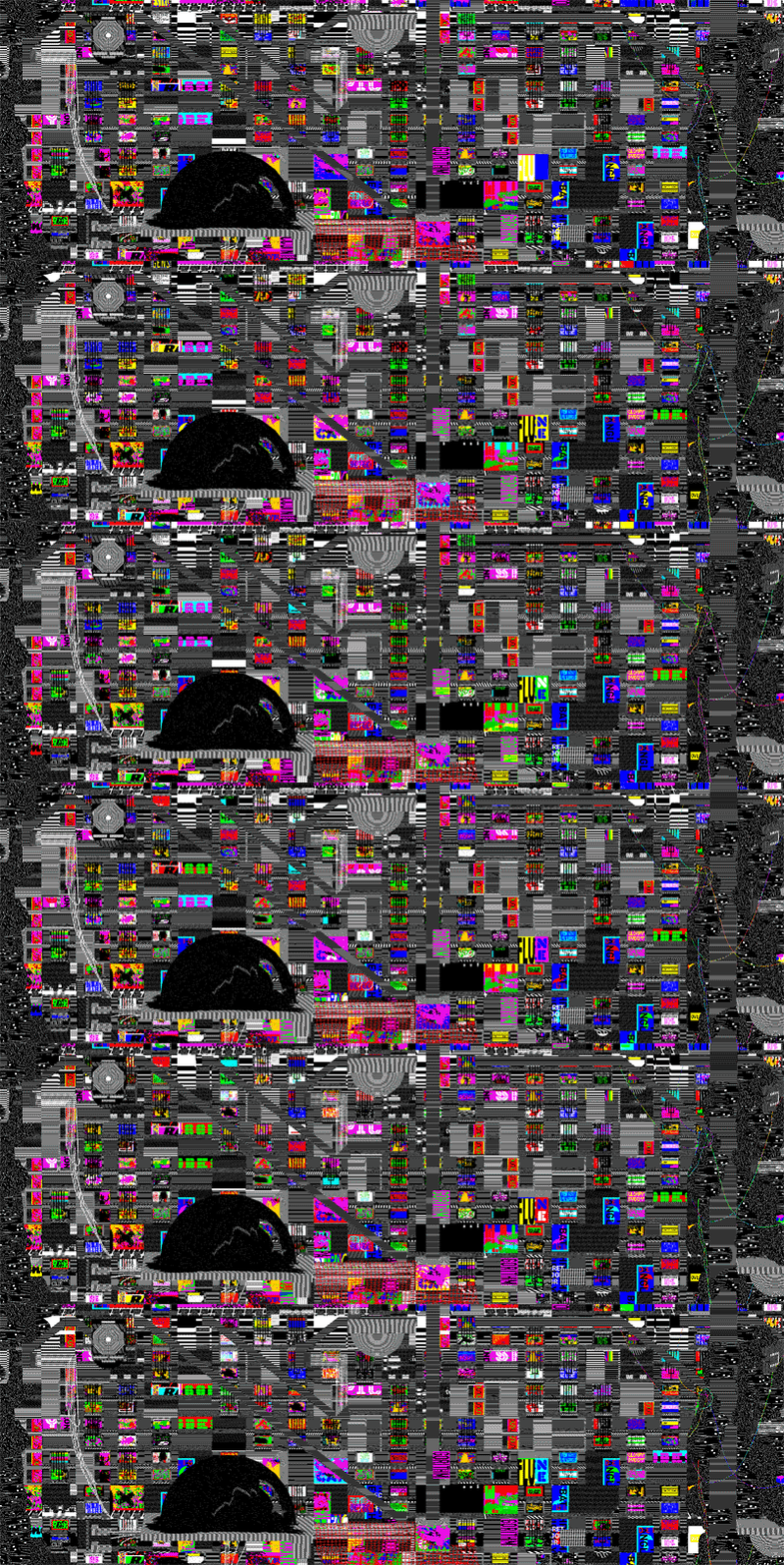
Tabor Robak is an American artist working in video art and electronics including live-rendering 3D graphics and custom built PC graphics installations.

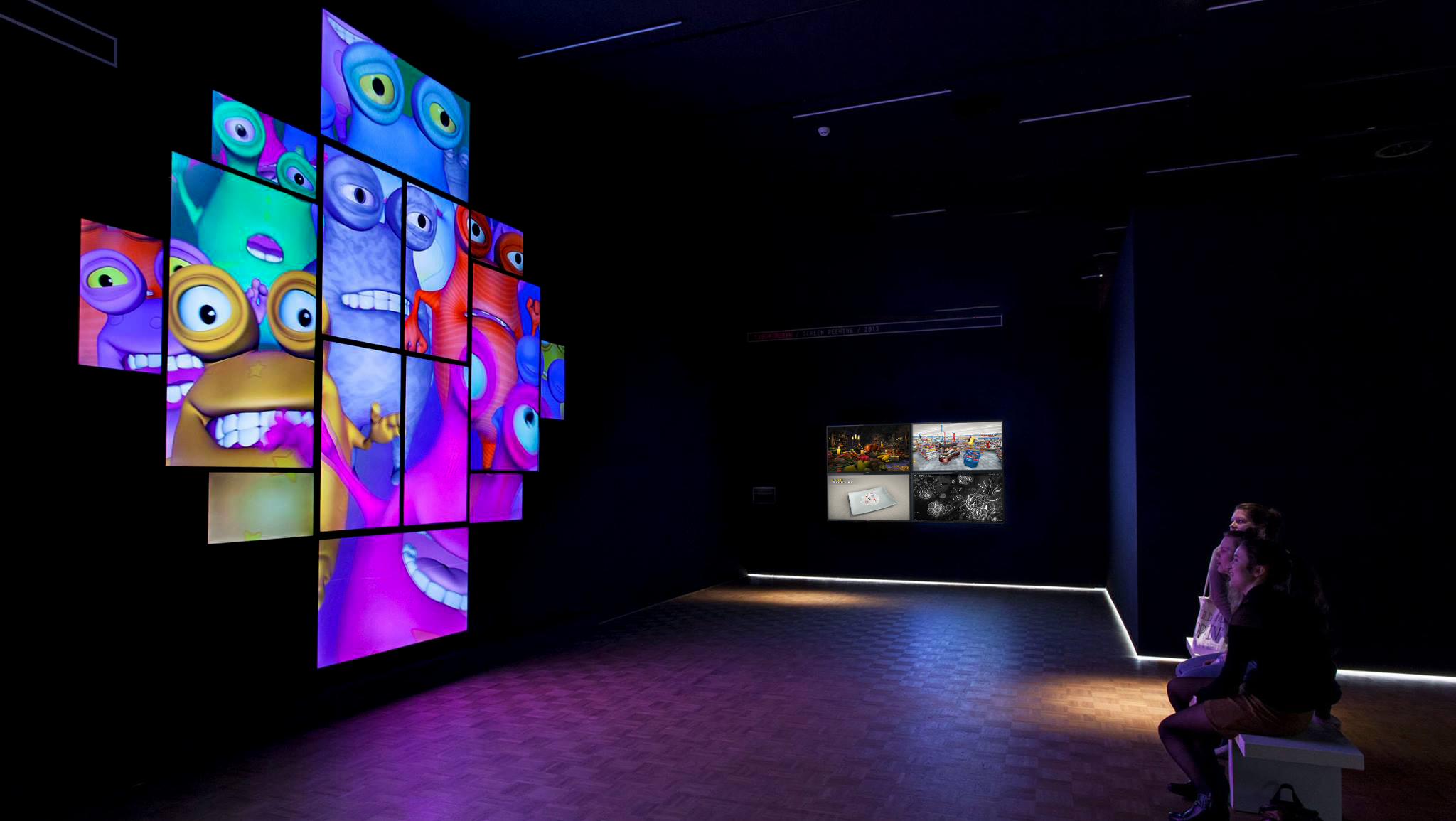
Robak's early works consisted of 3D interactive environments, to be accessed on the artist's website. These pieces, which the artist described as having a "desktop screensaver aesthetic," sought to isolate digital space as a fact, an abstracted, alternate reality. Robak's work explores the visual vocabulary of modern video games, advertising and animated film, to examine societal perceptions of the digital and the real.[1]

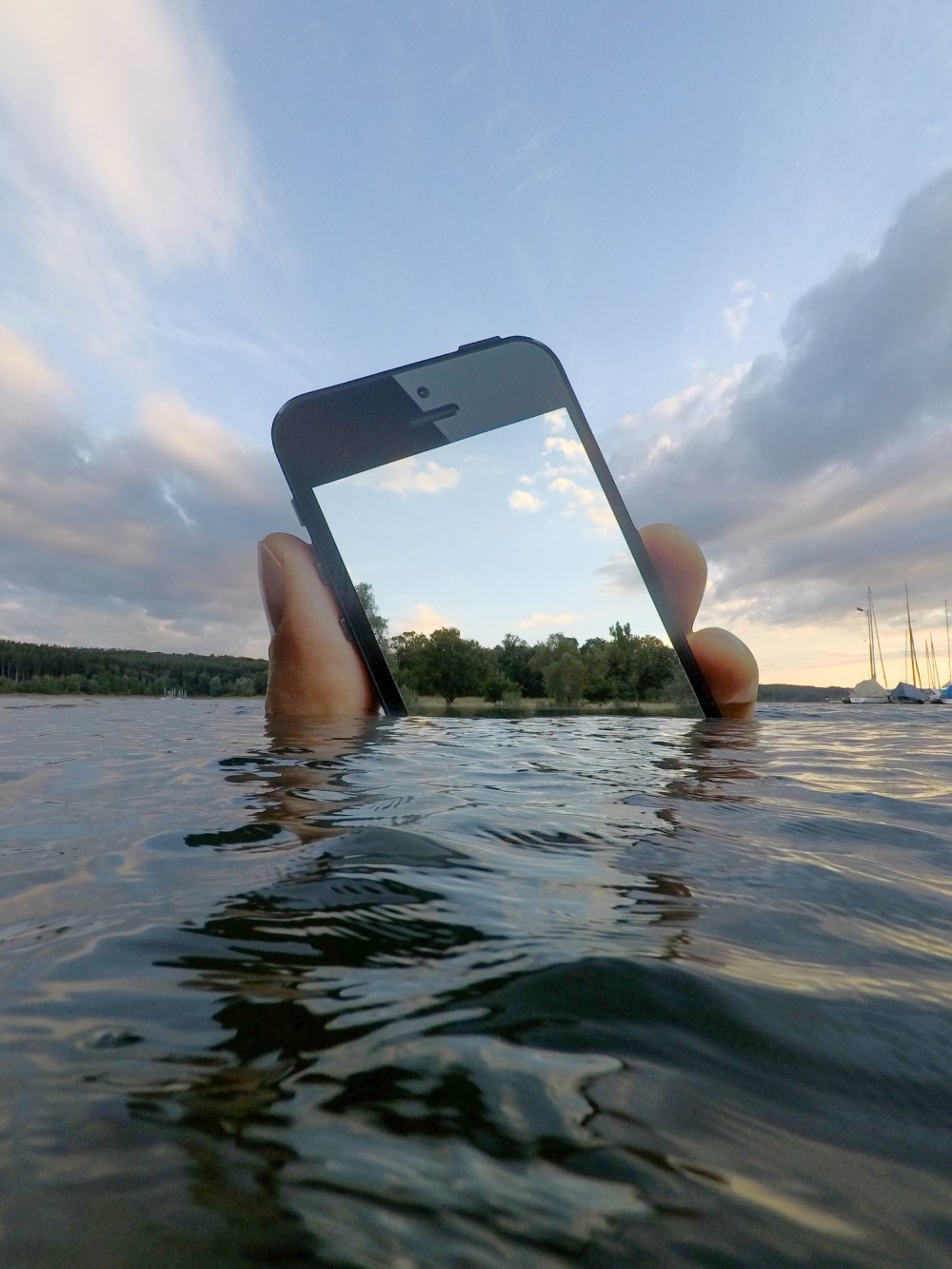
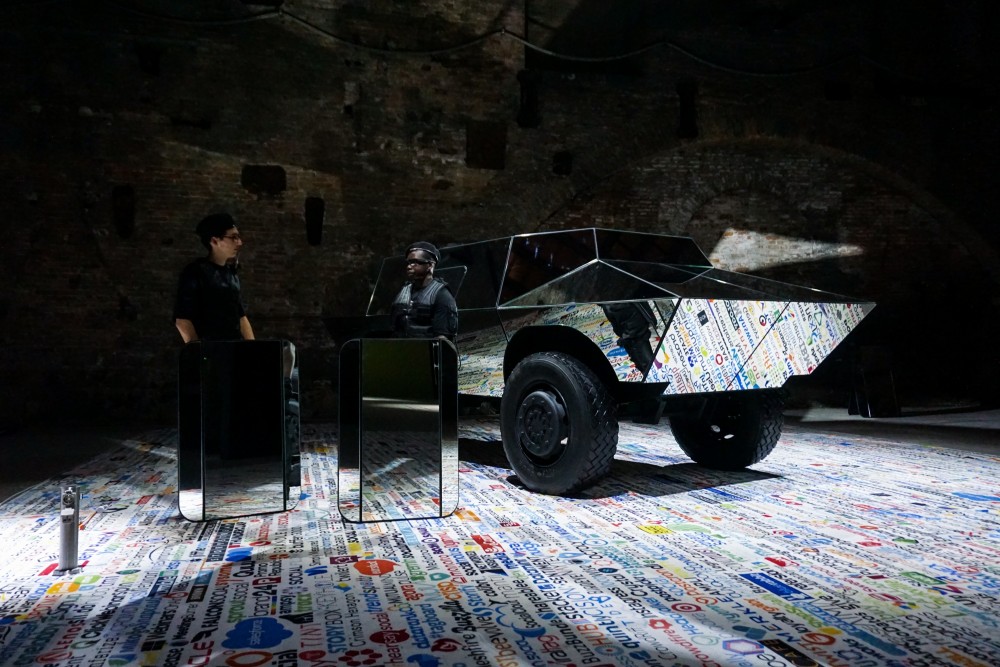
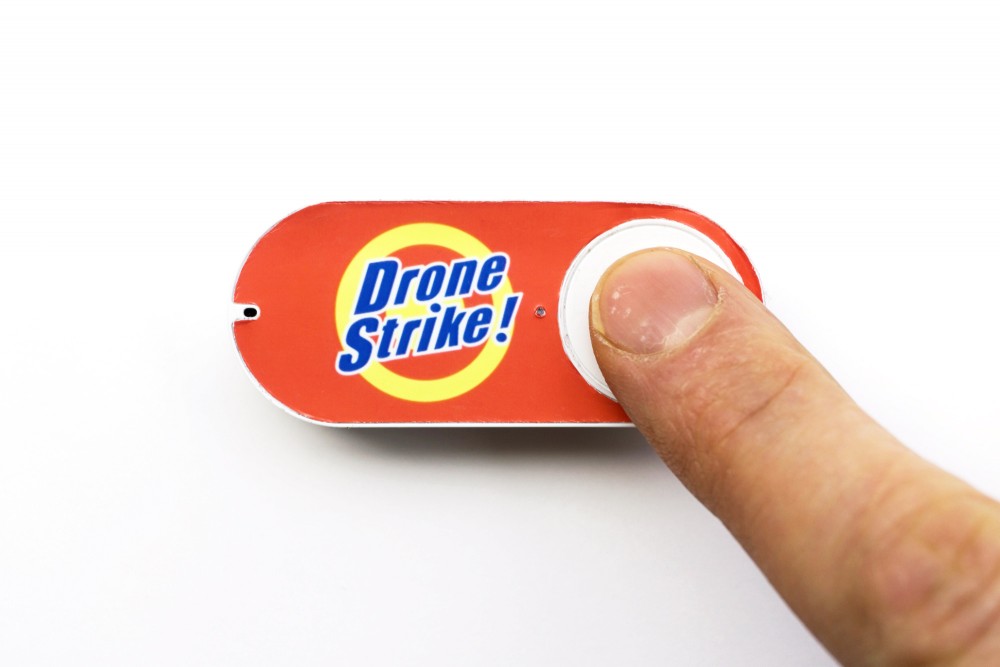
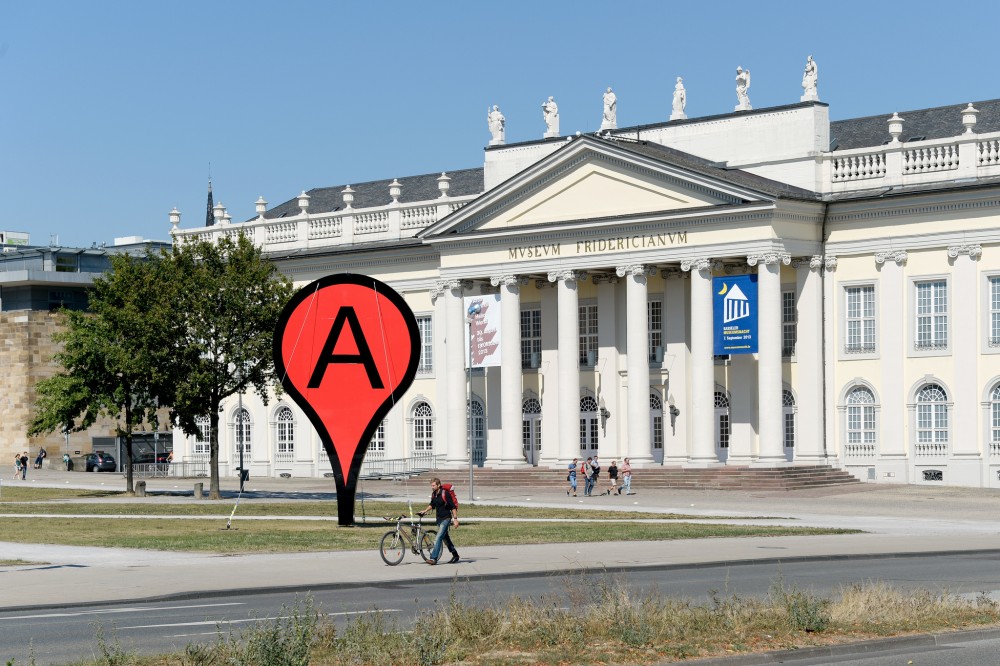
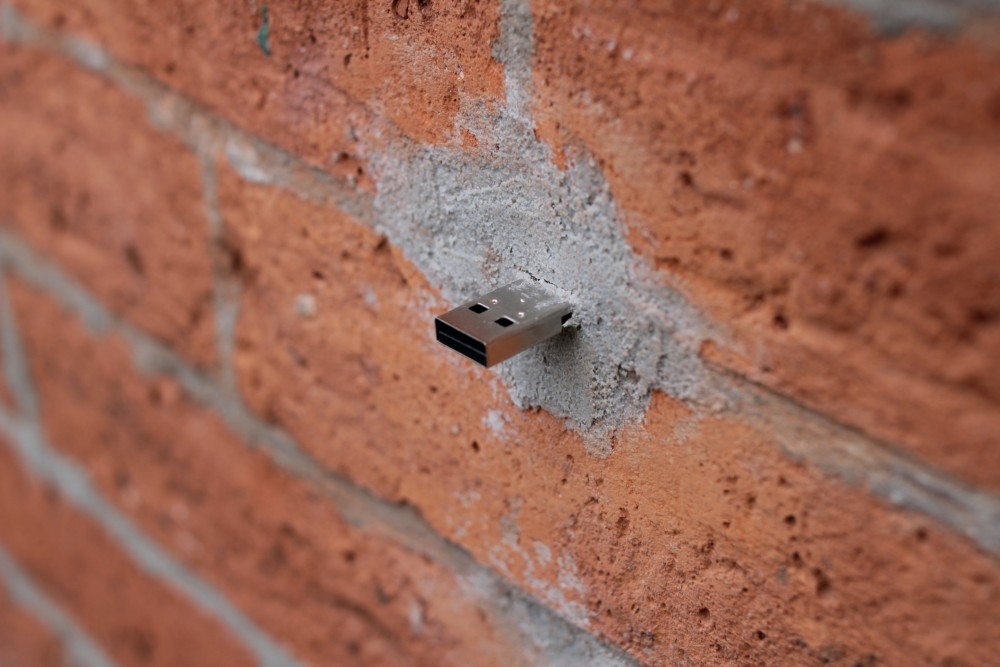
Aram Bartholl’s work creates an interplay between internet, culture and reality. How do our taken-for-granted communication channels influence us? Bartholl asks not just what humans are doing with media, but what media is doing with humans. Tensions between public and private, online and offline, techno-lust and everyday life are at the core of his work and his public interventions and installations, often entailing surprisingly physical manifestations of the digital world, challenge our concepts of reality and incorporeality. Bartholl has exhibited at MoMA Museum of Modern Art NY, Skulptur Projekte Münster, Palais de Tokyo, Hamburger Bahnhof and the Thailand Biennale among other as well as conducting countless workshops, talks and performances internationally. Bartholl lives and works in Berlin.[1]

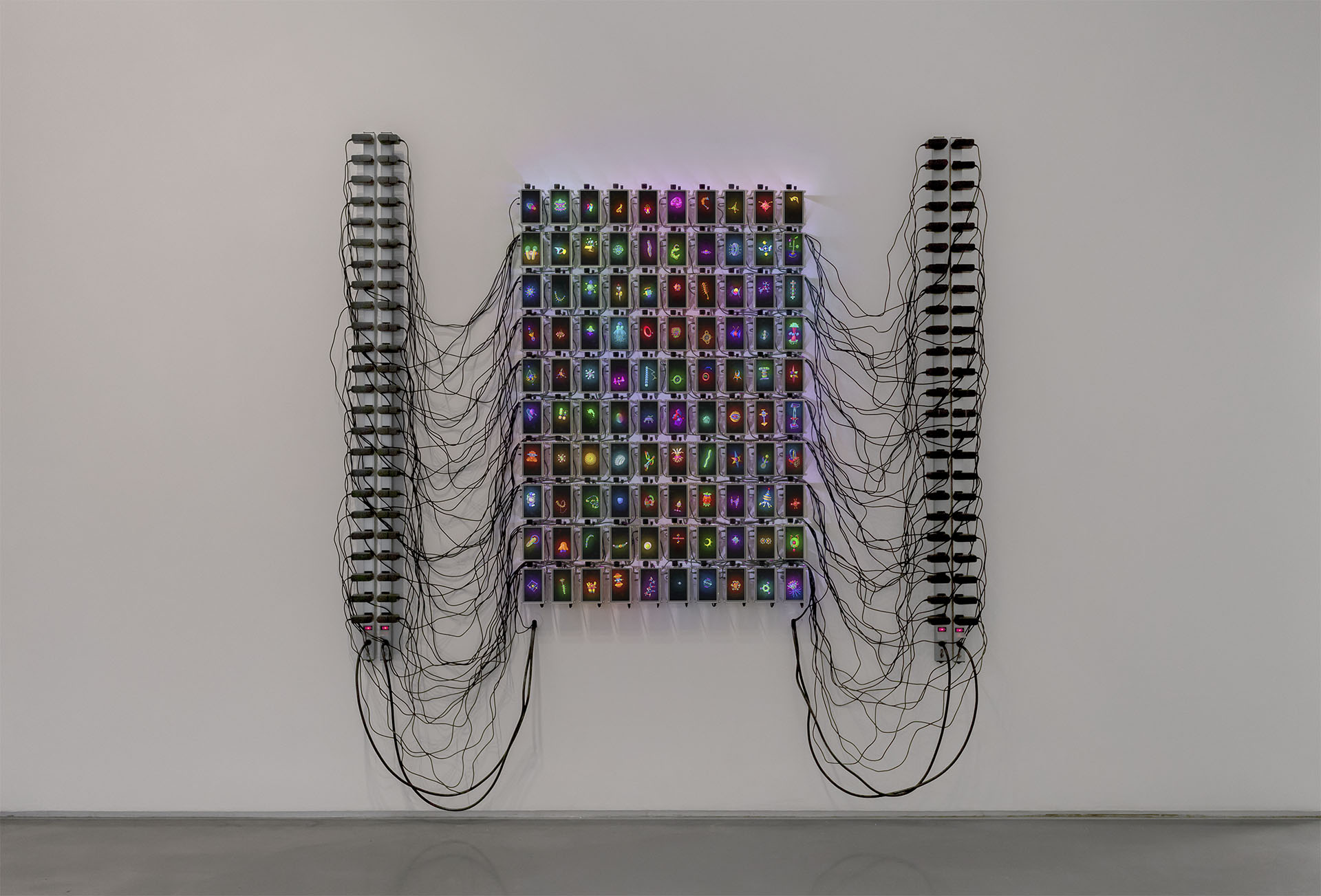
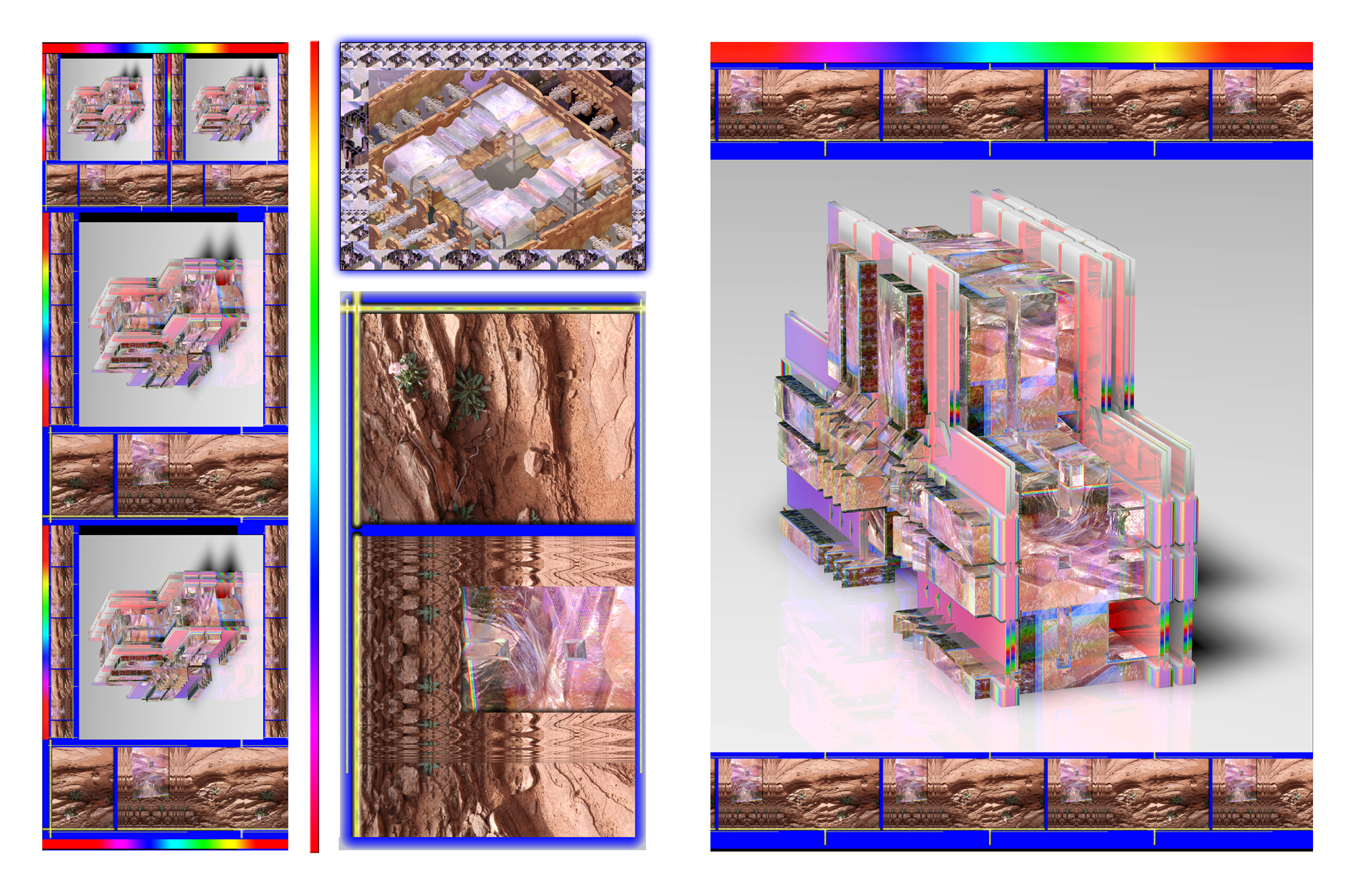
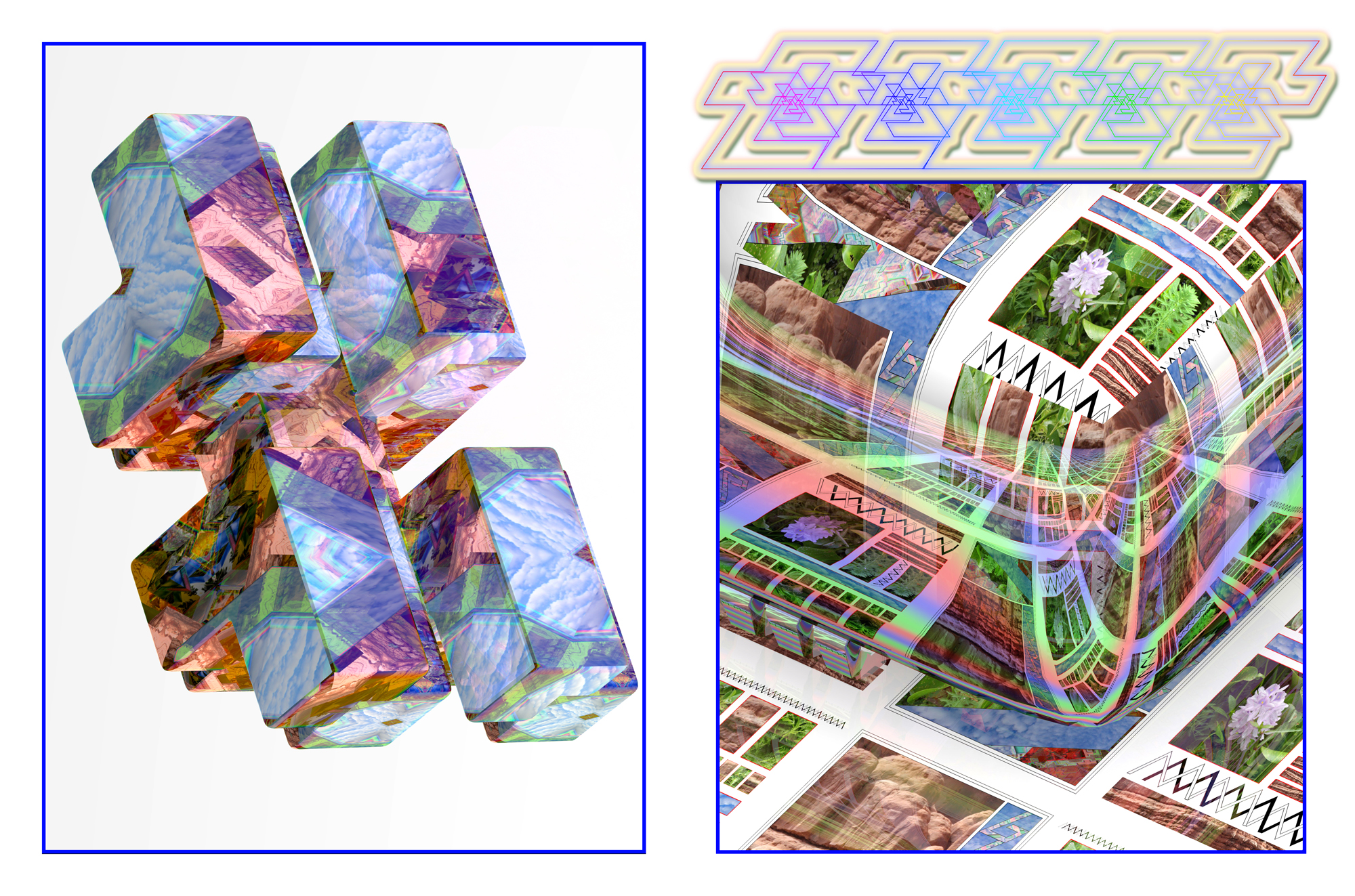
Brenna Murphy (born 1986) is an American artist based in Portland, Oregon. Her works combine digital and physical input, combining psychedelic visual forms with three-dimensional objects. Murphy's work has been called strange, but with an "uncanny familiarity." Murphy thinks of herself as a channel that mediates between the digital and the physical. She privileges neither the physical nor the virtual and her sculptures are models of her net-based works as much as her net-based works are models of her sculptures. [1]

Her exhibition Liquid Vehicle Transmitters appeared at the Yerba Buena Center for the Arts in San Francisco, CA in 2013. The exhibit featured prints and physical representations of her internet-based work, forming "an interactive arena of labyrinthine sculptures". An auxiliary installation featured the audiovisual work of MSHR, her collaboration with Birch Cooper. Her work has been exhibited online via the New Museum and in group shows including This is what sculpture looks like, at the Postmasters Gallery in New York City. Her work has been collected in the book Domain~Lattice. [1]