foundyou.online - Directory for New Media Art
Open Filters
artists (30)artworks (20)orgs (59)events (15)

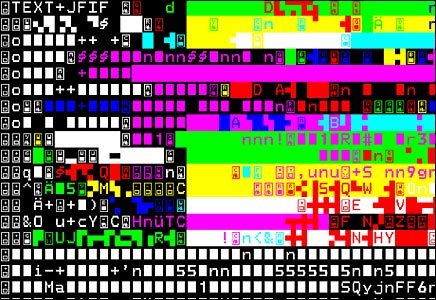
Internet provocateurs JODI pioneered Web art in the mid-1990s. Based in The Netherlands, JODI (Joan Heemskerk and Dirk Paesmans) were among the first artists to investigate and subvert conventions of the Internet, computer programs, and video and computer games. Radically disrupting the very language of these systems, including interfaces, commands, errors and code, JODI stages extreme digital interventions that destabilize the relationship between computer technology and its users. [1]

JODI (Joan Heemskerk and Dirk Paesmans) was formed in 1994. Joan Heemskerk was born in 1968 in Kaatsheue, The Netherlands. Dirk Paesmans was born in 1965 in Brussels, Belgium. Heemskerk and Paesman both attended Silicon Valley's electronic arts laboratory CADRE at San Jose State University in California; Paesmans also studied with Nam June Paik at the Kunstakademie in Dusseldorf. JODI's works are typically seen online. Their recent solo exhibitions include INSTALL.EXE at Eyebeam, New York, which toured to [plug-in], Basel, and BuroFriedrich, Berlin; and Computing 101B at FACT Centre, Liverpool, England. Their works have also been exhibited at Centre for Contemporary Art, Glasgow; Kunstverein Bonn; Stedelijk Museum, Amsterdam; Zentrum fur Kunst und Medientechnologie, Karlsruhe, Germany; Documenta X, Kassel, Germany; Harvard Art Museum, Massachusetts; EAI at ICA, Phillidelphia; and Lisson Gallery, New York, among many others. [1]

Misusing technological tools and languages has been a trademark for Jodi.org (Joan Heemskerk and Dirk Paesmans) since the mid-nineties, when they emerged as the pioneers of a movement which later became internationally known as net.art. Starting by applying this creative strategy to browsers, subverting websurfing logics and hacking the graphic interface, they then moved to videogames and finally to the so-called Web 2.0, deconstructing platforms such as Blogger, Google Maps and now Twitter. [2]

Selected net art pieces [3]

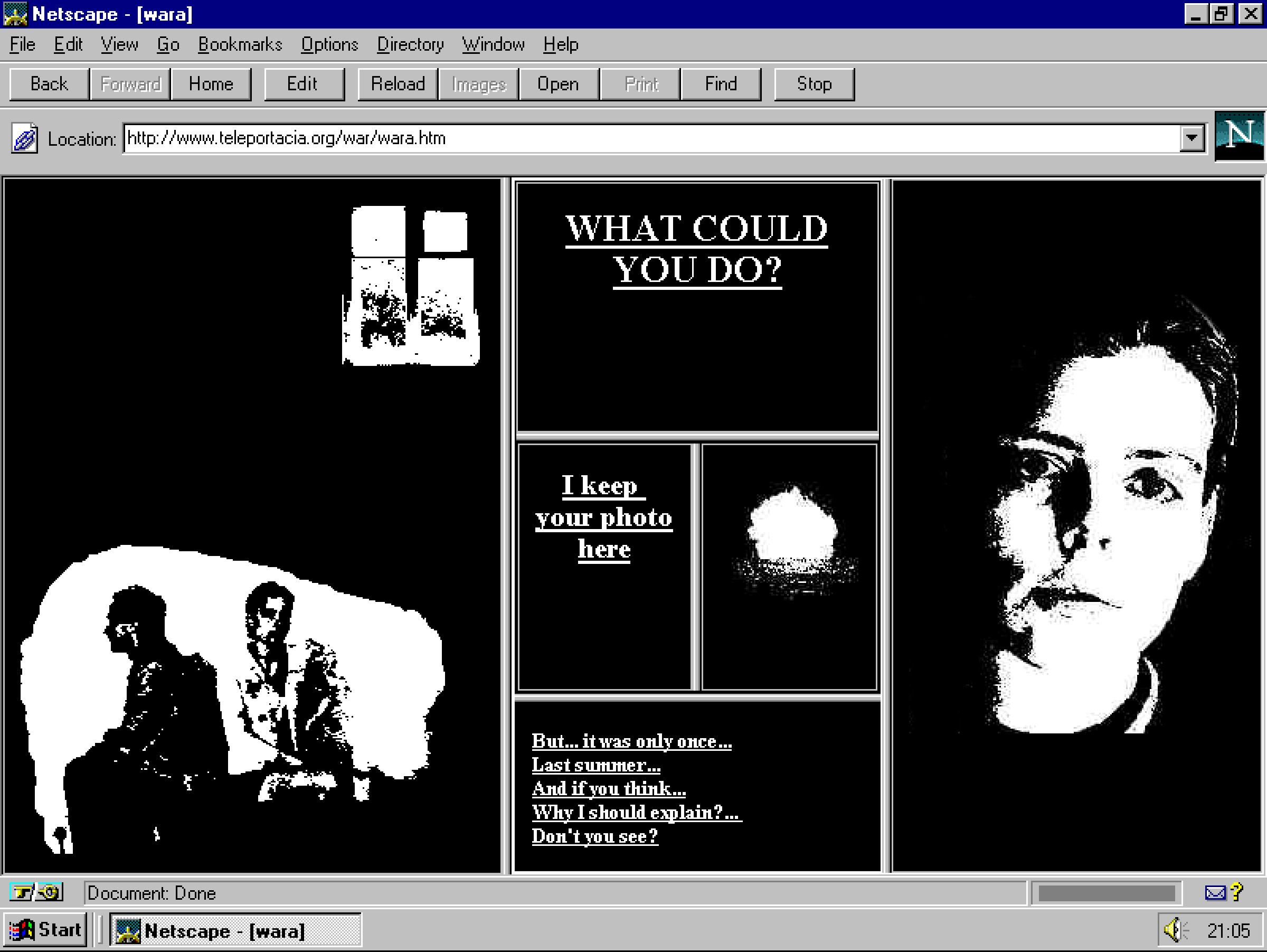
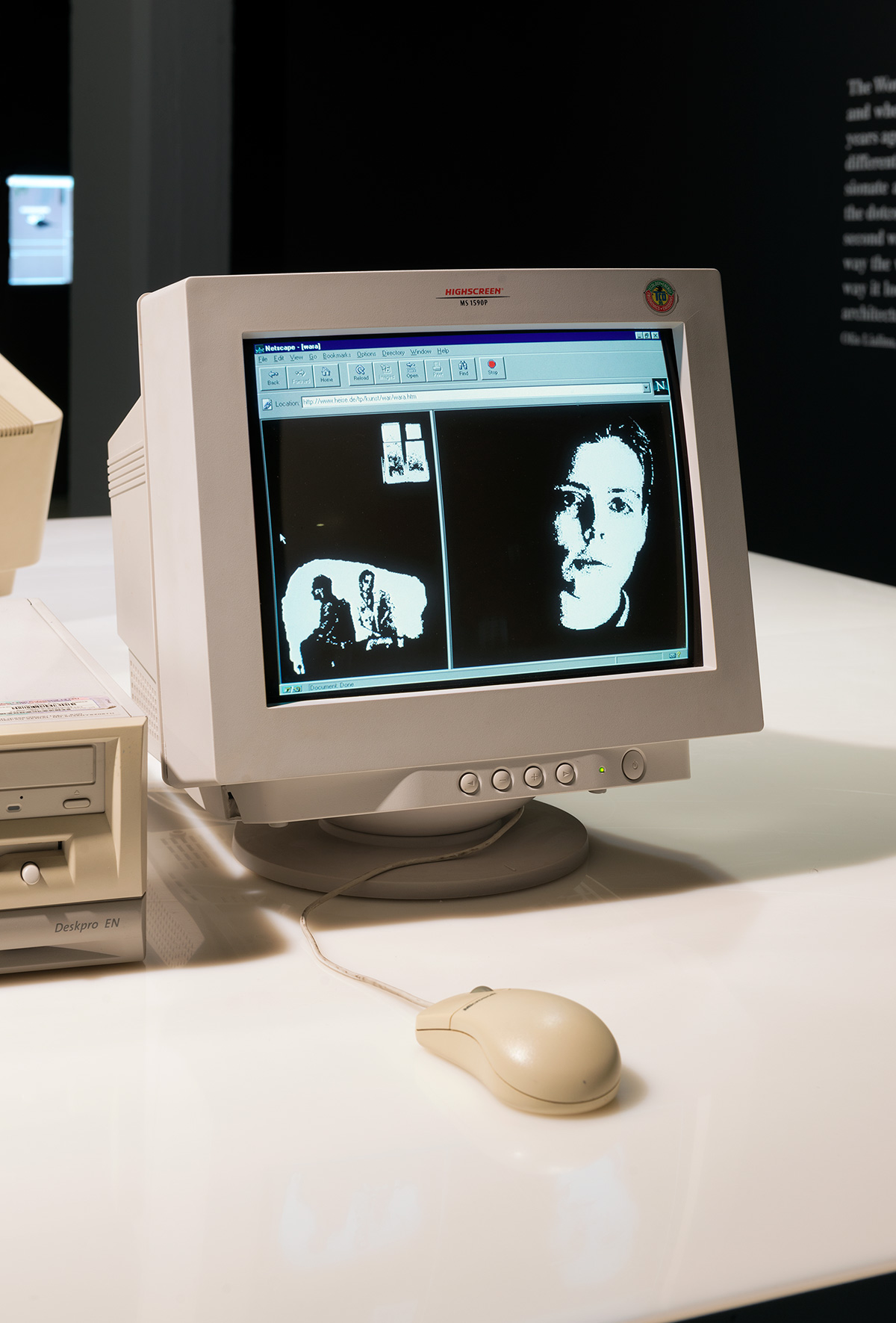
My Boyfriend Came Back From the War is an example of interactive hypertext storytelling. The work consists of nested frames with black and white web pages and (sometimes animated) grainy GIF images. When clicking hyperlinks in the work, the frame splits into smaller frames and the user reveals a nonlinear story about a couple that is reunited after a nameless military conflict. The lovers find it difficult to reconnect; the woman confesses that she has had an affair with a neighbour while the returned soldier proposes marriage. The story unfolds to the point where the screen has become a mosaic of empty black frames. [1]

Olia Lialina calls the work a netfilm, because of its similarity with cinematic narrative. The grainy black-and-white images and intertitles refer to early silent movies. Of its filmic qualities, curator Michael Connor wrote of the work, "the work adapts cinematic montage to the web ... separate frames are joined together by HTML code and the browser itself and experienced in both space and in time, employing what Lev Manovich has characterized as spatial and temporal montage." [1]

https://anthology.rhizome.org/my-boyfriend-came-back-from-the-war

Rhizome champions born-digital art and culture through commissions, exhibitions, digital preservation, and software development. Founded by artist Mark Tribe as a listserve including some of the first artists to work online, Rhizome has played an integral role in the history of contemporary art engaged with digital technologies and the internet. Since 2003, Rhizome has been an affiliate in residence at the New Museum in New York City.[1]

CYFEST is one of the largest international media art festivals, it was founded in St. Petersburg in 2007 by independent artists and curators. The festival promotes the emergence of new forms of art and high technology interactions, developing professional connections between artists, curators, engineers and programmers around the world and exposing wide audiences to the works in the field of robotics, video art, sound art and net art.

Super Mario MovieSuper Mario MovieSuper Mario Movie
https://www.youtube.com/embed/oDDCoa71-yY
https://www.youtube.com/embed/JN-WCA5-Qxs

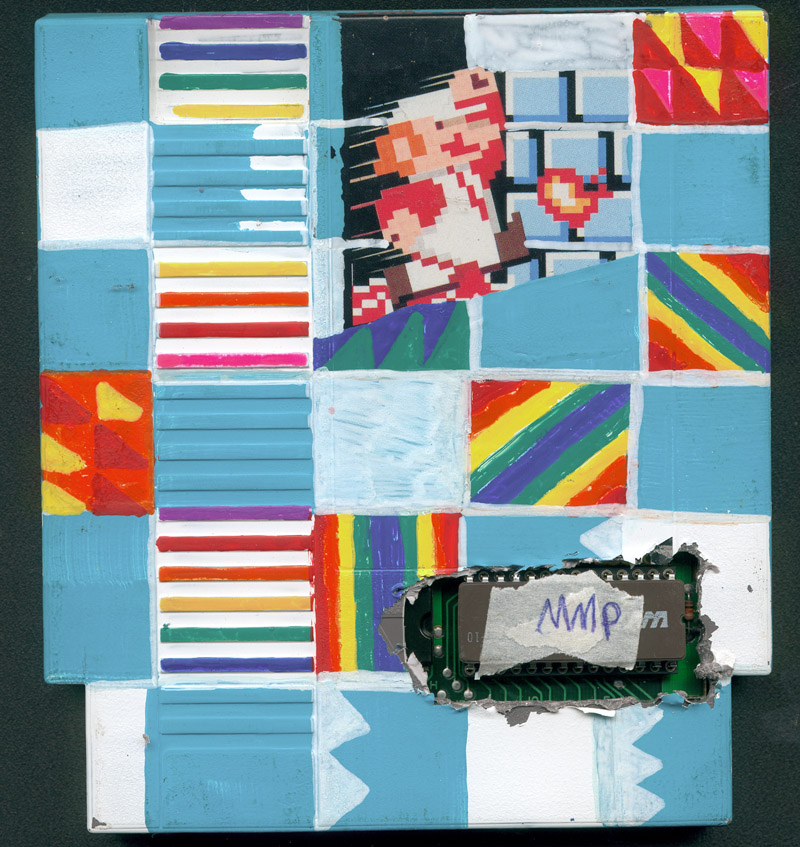
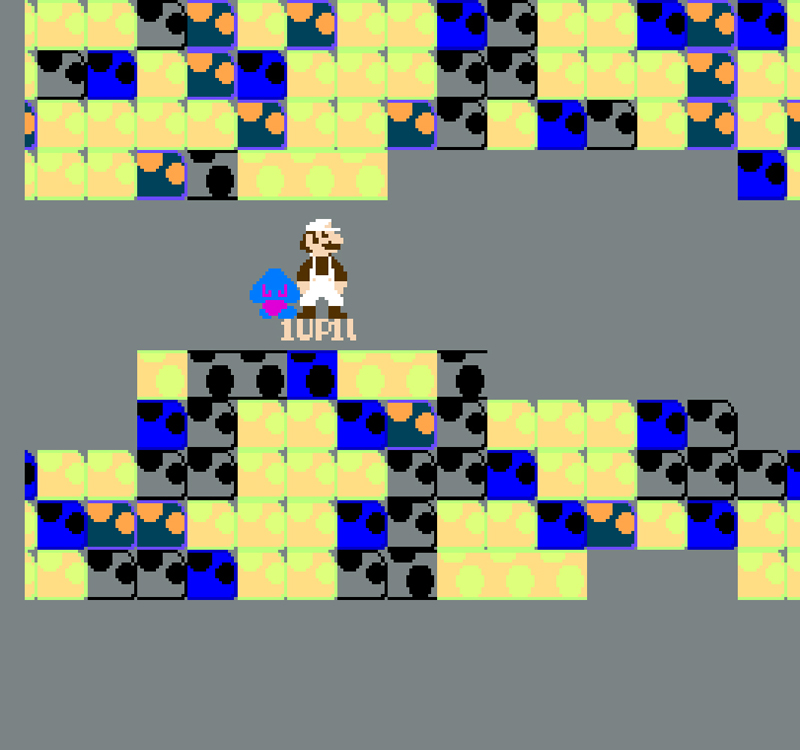
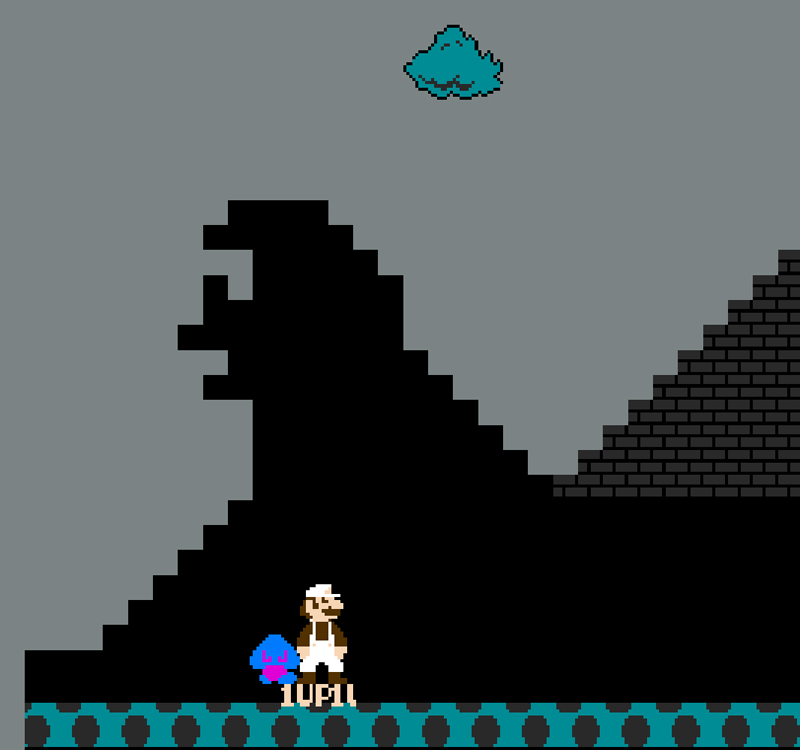
Super Mario Movie is a reprogrammed 8-bit Nintendo game cartridge revolving around the famed Italian plumber Mario who first made his appearance in 1981 as a character in the videogame ‘Donkey Kong’. Since Mario’s rise to fame he has become the main character in approximately 200 different videogames, making him somewhat of a pop-culture icon. In this work Arcangel hacks the game cartridge to produce a 15-minute movie showing how Mario’s life has spiralled out of control as a result of the gradual decay of his outdated technology. In the opening scene we read the following text; “as a video game grows old its content and internal logic deteriorate. For a character caught in this breakdown problems affect every area of life.” Whilst being partly satirical, Arcangel is also describing the natural degradation process that eventually affects all information storage devices and the short life-span that these technologies experience. This is partly due to the rapidly evolving pace of technological advancement and as such can be read as a comment on our insatiable hunger for constantly new and updated technology. [1]

Mute is an online magazine dedicated to exploring culture and politics after the net. Mute combines biannual issues dedicated to specific topics (Precarious Labour, The Knowledge Commons, etc) with regularly updated articles and reviews. The site also features ongoing coverage of relevant news and events contributed by ourselves and our readers.

As well as the online magazine, Mute also publishes a biannual magazine in print (aka Mute Vol. 3), which features selections from current issues together with other online content, specially commissioned and co-published projects.

Mute magazine was founded in 1994 to discuss the interrelationship of art and new technologies when the World Wide Web was newborn. But, as mass participation in computer mediated communications has become more integral to contemporary capitalism, its coverage has expanded to engage with the broader implications of this shift. Mute’s investigation of the social, economic, political and cultural formations of ‘network societies’ maintains an accent on the relationship between technology and the production of new social relations. At the same time, the magazine’s remit has grown broader and now includes analyses of geopolitics, culture and contemporary labour that, while necessarily inflected by contemporary developments in technology, go far beyond this.

While Mute was born out of a culture that celebrated the democratising potential of new media, it becomes ever more apparent that we need to critically engage with the ways in which new media also reproduce and extend capitalist social relations. Mute invites its readers and writers to consider new possibilities for resistance to hegemonies wherever they find them, from socio-economic and technical structures, to codes of representation and enunciation, to the production and articulation of psychic experience and beyond. We also welcome critiques of the contemporary fetishisation of ICT as either inherently progressive or entirely reactionary. Finally, Mute hopes to stimulate approaches to art and politics that challenge the orthodoxies of both the constituted left and ‘critical’ new media culture. [1]

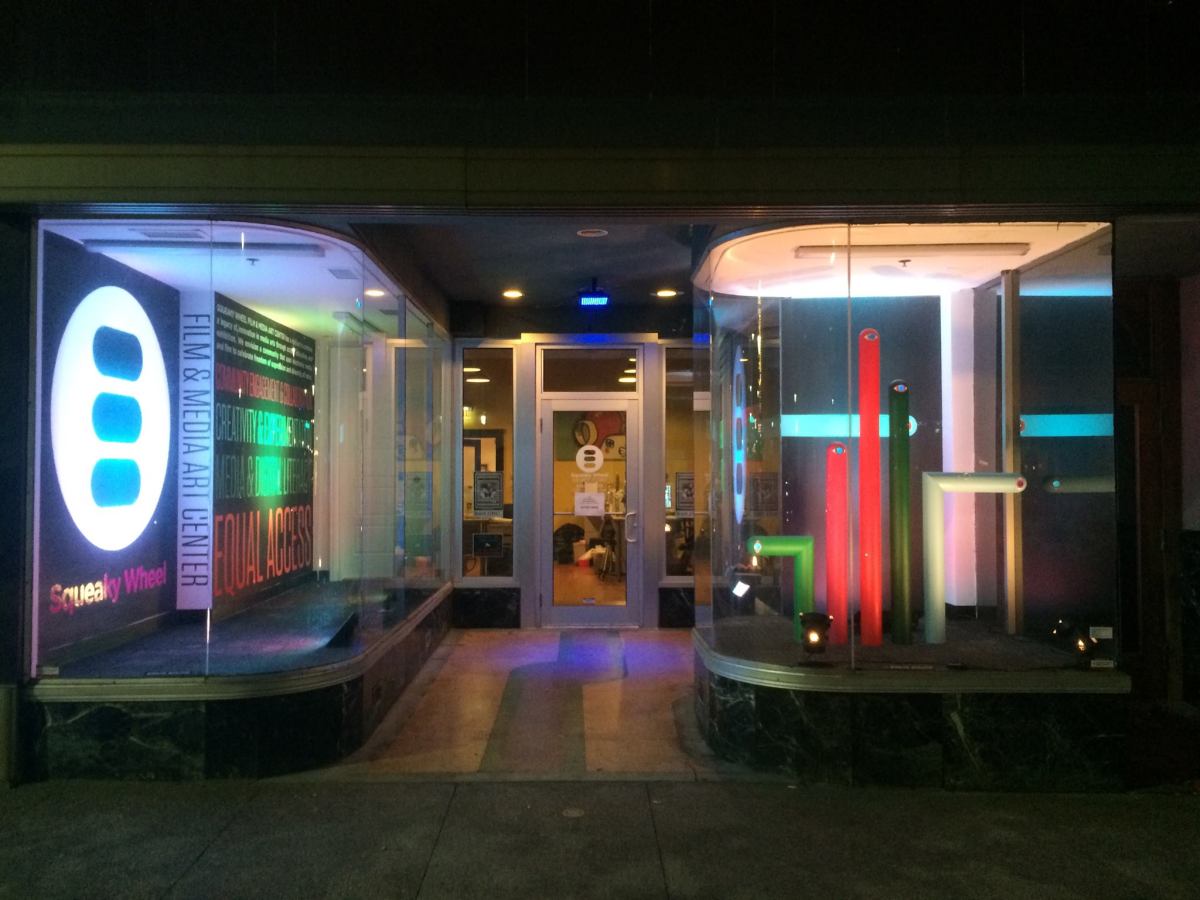
Squeaky Wheel Film & Media Art Center is an artist-run, non-profit, media arts center based in Buffalo, New York. Founded in 1985, the organization provides the Western New York region with low-cost media equipment rentals, media arts education for youth and adults, residencies for artists and researchers, and exhibitions, screenings, and other public programming. [1]

Squeaky Wheel Film & Media Art Center has a mission to continue a legacy of innovation in media arts through access, education, and exhibition. We envision a community that uses electronic media and film to celebrate freedom of expression and diversity of voice.

Established in 1985, Squeaky Wheel Film & Media Art Center is the only organization in Western NY to offer education, equipment access, and exhibition programming dedicated to exploring film & digital media arts. Squeaky Wheel’s reputation in the media arts field continues to grow nationally and internationally. We have won awards for Best Workshops of Any Kind (2010); Best Curation (2012); Best Youth Workshops (2013) from regional publication, Buffalo Spree Magazine of Western New York. In 2014, the Arts Services Initiative of Western New York nominated Squeaky Wheel “Cultural Organization of the Year”. [2]

Gray Area Foundation for the Arts, Inc. is a 501(c)3 non-profit organization supporting art and technology for social good in San Francisco, California. Gray Area hosts exhibitions and music events, software and electronics classes, a media lab and resident-artist program. Gray Area Foundation for the Arts’ stated purpose is to bring “together the best creative coders, data artists, designers, and makers to create experiments that build social consciousness through digital culture.” [1]

And/Or Gallery is a contemporary gallery in Pasadena with an emphasis on new media exhibitions and editions.

The gallery originally operated in Dallas, Texas from 2006 to 2009 and has been written about in Art Forum and ARTnews, and was featured in the New Museum/MIT Press anthology Mass Effect: Art and the Internet in the Twenty-First Century. [1]

InterAccess is a Canadian artist-run centre and electronic media production facility in Toronto. Founded in 1982 as Toronto Community Videotex, InterAccess is Ontario's only exhibition space devoted exclusively to technological media arts. The Centre for Contemporary Canadian Art places the founding of InterAccess as a key moment in both the history of Canadian electronic art but also within a timeline of developments in international art, science, technology and culture. [1]

InterAccess’s mission is to expand the cultural significance of art and technology by fostering and supporting the full cycle of art and artistic practice through education, production, and exhibition.

We envision an environment in which:

  • Art that engages technology gains widespread cultural resonance;
  • Critical discourse dedicated to everyday and emerging technologies is catalyzed by artists, curators, and cultural workers;
  • The full life cycle of art and artists is nurtured.

Annually we execute multiple exhibitions, a full curriculum of skill-building and critical theory workshops, and a broad range of discursive events that explore the impact of technology on the social, political and cultural aspects of contemporary life. Our studio space facilitates the circulation of skills and techniques required to produce the work we exhibit in our gallery space. [2]