foundyou.online - Directory for New Media Art
Open Filters

V2, Lab for the Unstable Media is an interdisciplinary center for art and media technology in Rotterdam (the Netherlands). V2 presents, produces, archives and publishes research at the interface of art, technology and society. Founded in 1981, V2 offers a platform for artists, designers, scientists, researchers, theorists, and developers of software and hardware from various disciplines to discuss their work and share their findings. In V2's view, art and design play an essential role in the social embedding of technological developments. V2 creates a context in which issues regarding the social impact of technology are explored through critical dialogue, artistic reflection and practice-oriented research.[1]

V2 organizes public programs ranging from exhibitions to workshops, presentations, and community events. These V2events showcase the most exciting developments in the field of art and technology, present V2's research and development, and function as a platform for debate. V2's events offer artists opportunities to present new work to our audience and to exchange ideas with other artists, researchers and technicians. Besides events that take place at V2's venue in Rotterdam, V2 also organizes events at parter institutes and participates in international festivals and symposiums.[2]

V2 has published a number of books on interactive art and related subjects like sociology, media theory, biology, and technological innovation.[3]
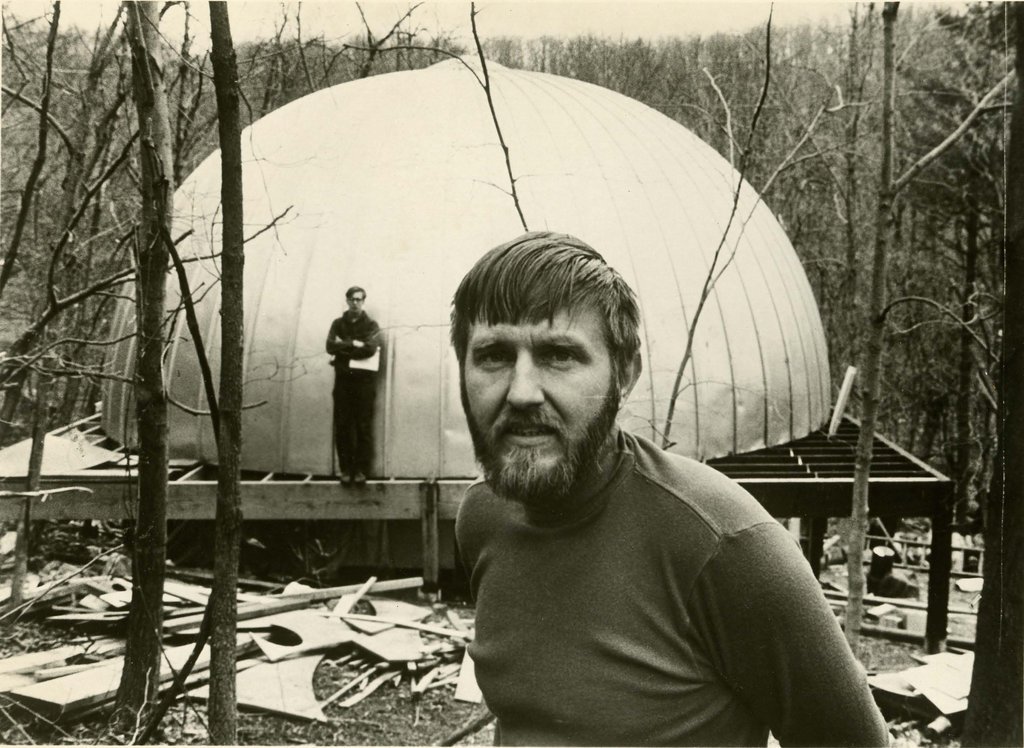

Stan VanderbeekStan VanDerBeek in front of his environmental movie theatre Movie-Drome at Stoney Point, New York, c. 1966

Stan VanDerBeek (January 6, 1927 – September 19, 1984) was an American experimental filmmaker known for his collage works. [1]

A pioneer in the development of experimental film and live-action animation techniques, Stan VanDerBeek achieved widespread recognition in the American avant-garde cinema. An advocate of the application of a utopian fusion of art and technology, he began making films in 1955. In the 1960s, he produced theatrical, multimedia pieces and computer animation, often working in collaboration with Bell Telephone Laboratories. In the 1970s, he constructed a 'Movie Drome' in Stony Point, New York, which was an audiovisual laboratory for the projection of film, dance, magic theater, sound and other visual effects. His multimedia experiments included movie murals, projection systems, planetarium events and the exploration of early computer graphics and image-processing systems.[1]

VanDerBeek wrote: It is imperative that we quickly find some way for the entire level of world human understanding to rise to a new human scale. The scale is the world' The risks are the life or death of this world. The technological explosion of this last half-century, and the implied future are overwhelming, man is running the machines of his own invention… while the machine that is man… runs the risk of running wild. Technological research, development, and involvement of the world community has almost completely out-distanced the emotional-sociological (socio-'logical') comprehension of this technology. The 'technique-power' and 'culture-over-reach' that is just beginning to explode in many parts of the earth, is happening so quickly that it has put the logical fulcrum of man’s intelligence so far outside himself that he cannot judge or estimate the results of his acts before he commits them. The process of life as an experiment on earth has never been made clearer. It is this danger — that man does not have time to talk to himself — that man does not have the means to talk to other men. The world hangs by a thread of verbs and nouns. Language and cultural-semantics are as explosive as nuclear energy. It is imperative that we (the world’s artists) invent a new world language...'[1]

The UCLA Department of Design Media Arts (DMA) offers a comprehensive, multidisciplinary approach to media creation that fosters individual exploration and innovative thinking. Our internationally renowned faculty provides each student with a creative and intellectual foundation for constructing a unique contribution to culture. DMA is committed to educating conscientious creators by emphasizing production within the context of history and theory. The core curriculum is augmented by series of vital lectures, workshops, and other events, and we actively encourage our students to pursue additional interests within the university.[1]

Within the context of the department, design is a process and way of thinking, and media arts foreground experimental media creation. We synthesize practice, history, and theory and hybridize technologies, discourses, and audiences. The results emerge in and on books, galleries, game consoles, installations, films, magazines, performances, public spaces, televisions, and websites. We strive to create socially and culturally relevant objects, experiences, and spaces.[1]

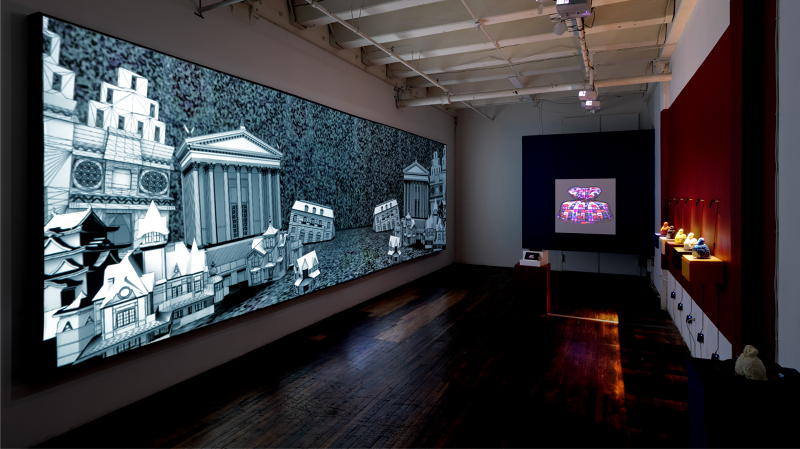
Peter Burr is an artist from Brooklyn specializing in animation and installation. Using computer animation to create images and environments that hover on the boundary between abstraction and figuration, Burr has in recent years devoted himself to exploring the concept of an endlessly mutating labyrinth. Existing as stand-alone pieces, much of his work is also in the process of expanding into a video game through the support of Creative Capital and Sundance. Previously, he worked under the alias Hooliganship, and in 2006 founded the video label Cartune Xprez, through which he produced hundreds of live multimedia exhibitions and touring programs showcasing a multi-generational group of artists at the forefront of experimental animation. Here he discusses ways to stay healthy as a creator, what it means to make art in the digital realm, and the plant-like possibilities of games.[1]

Tabor RobakA* (2014)Tabor RobakA* (2014)Tabor RobakBlossom (2018)Tabor RobakWhere's My Water (2015)Tabor RobakButterfly Room (2015)
https://player.vimeo.com/video/102429088?color=fcfcfc&title=0&byline=0&portrait=0
https://player.vimeo.com/video/216326912
https://player.vimeo.com/video/150692891?color=ffffff&title=0&byline=0&portrait=0

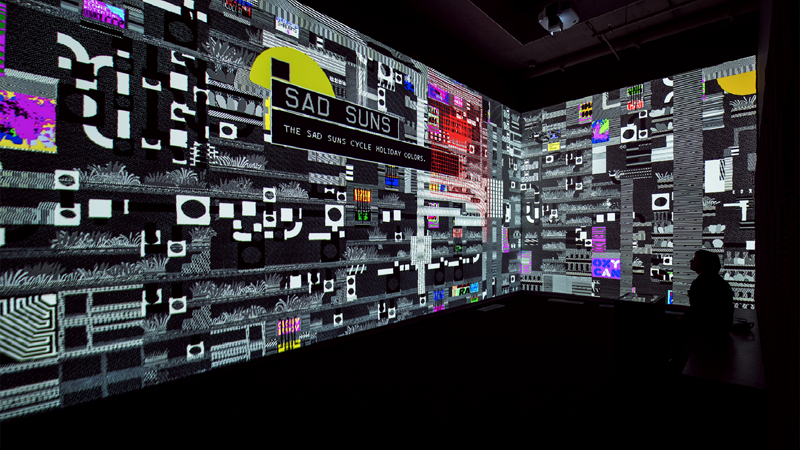
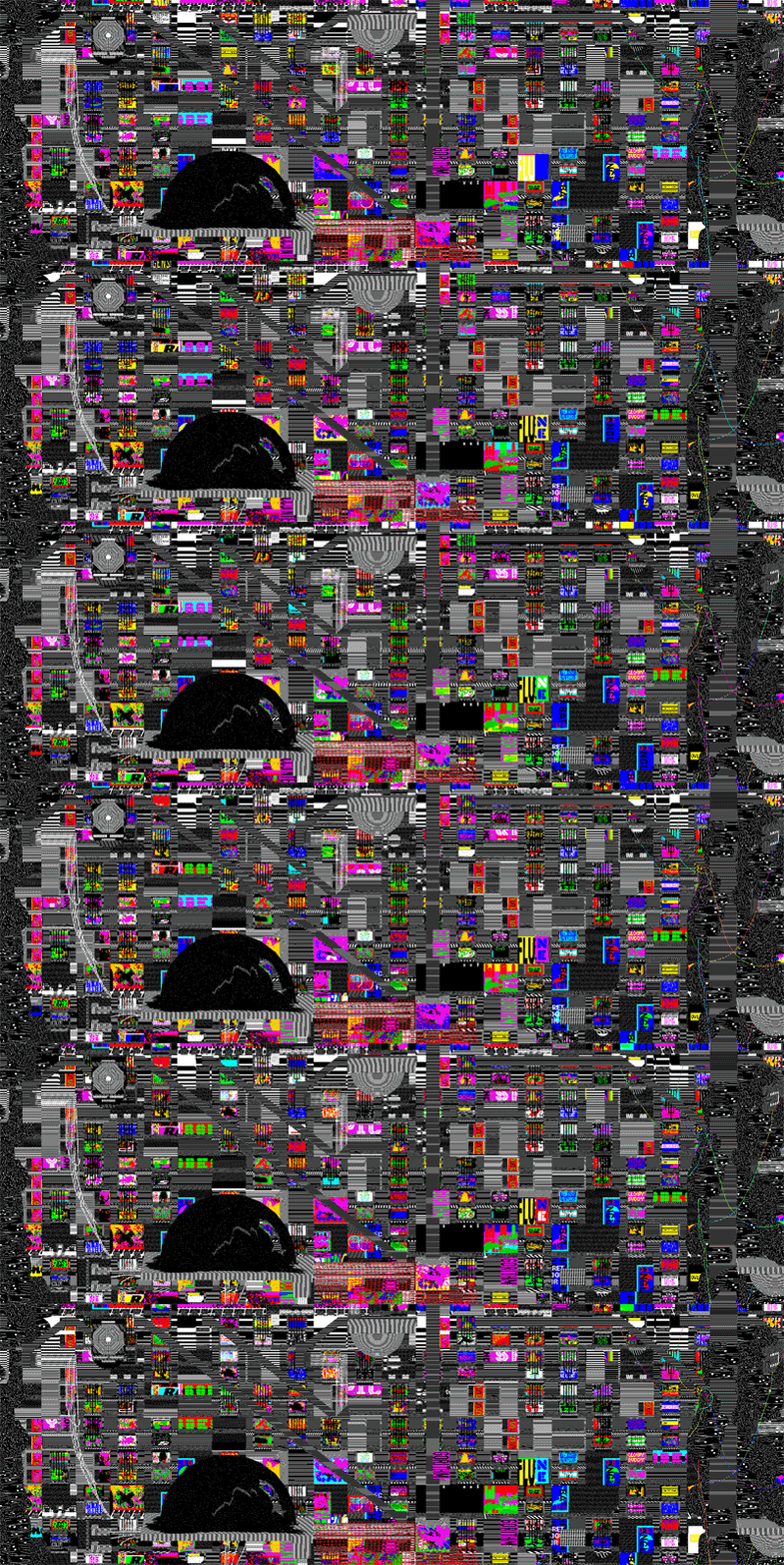
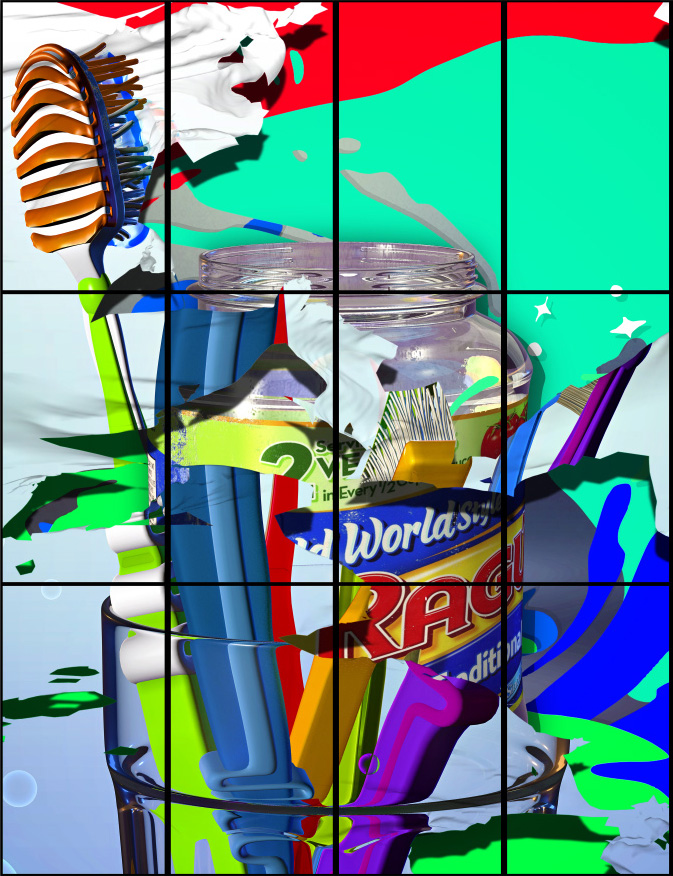
Tabor Robak is an American artist working in video art and electronics including live-rendering 3D graphics and custom built PC graphics installations.

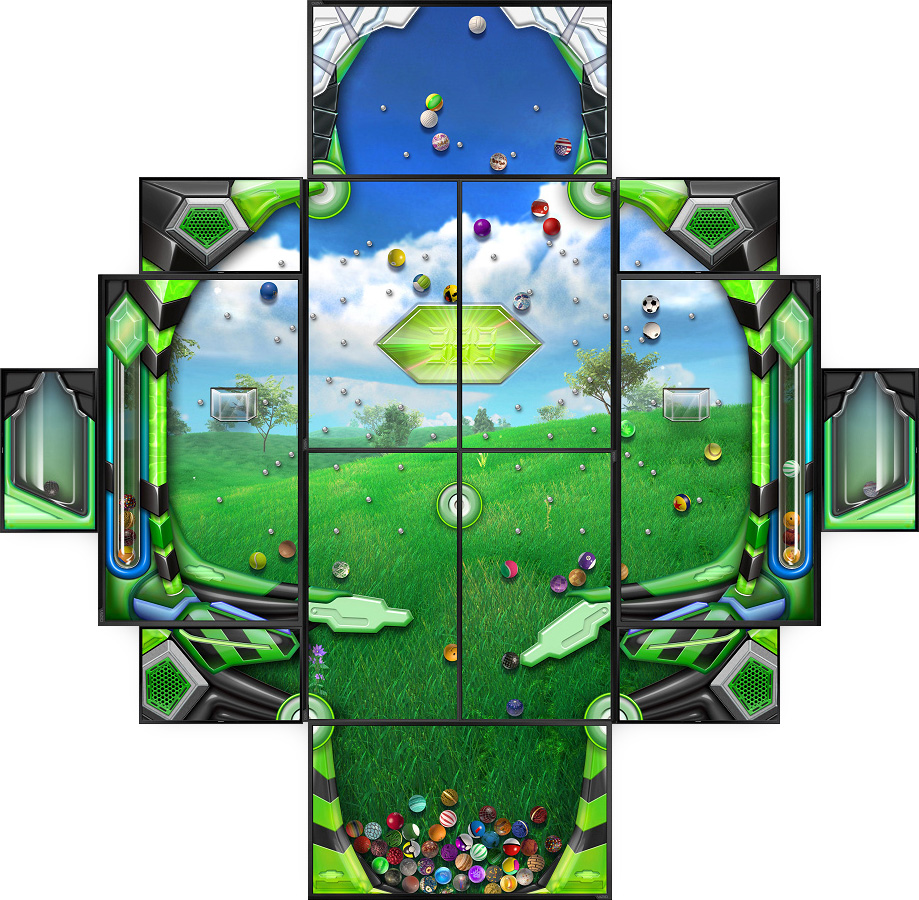
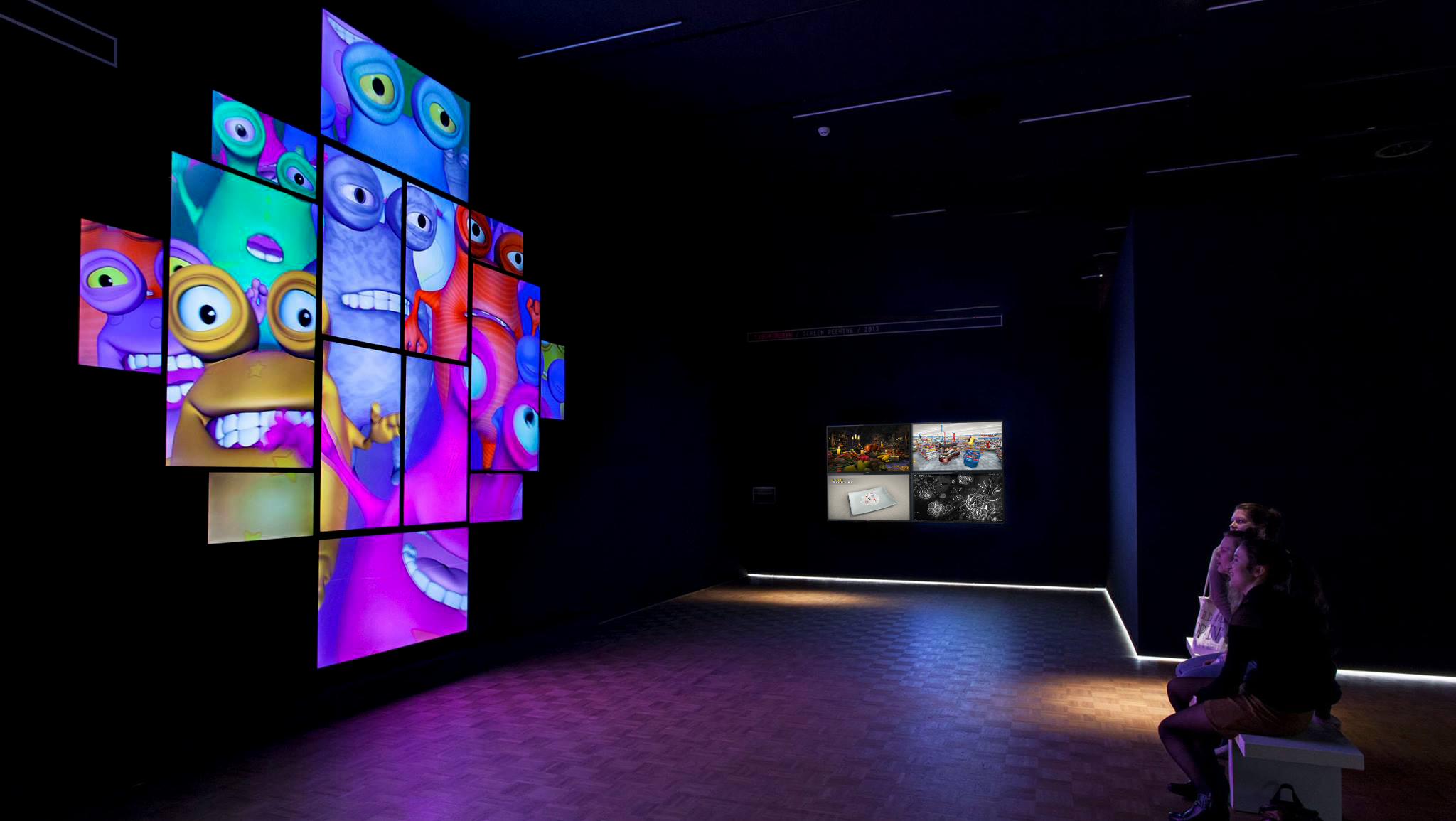
Robak's early works consisted of 3D interactive environments, to be accessed on the artist's website. These pieces, which the artist described as having a "desktop screensaver aesthetic," sought to isolate digital space as a fact, an abstracted, alternate reality. Robak's work explores the visual vocabulary of modern video games, advertising and animated film, to examine societal perceptions of the digital and the real.[1]

References:1. https://en.wikipedia.org/wiki/Tabor_Robak2. Tabor Robak CV [Tabor Robak]3. Tabor Robak CV [Tabor Robak]

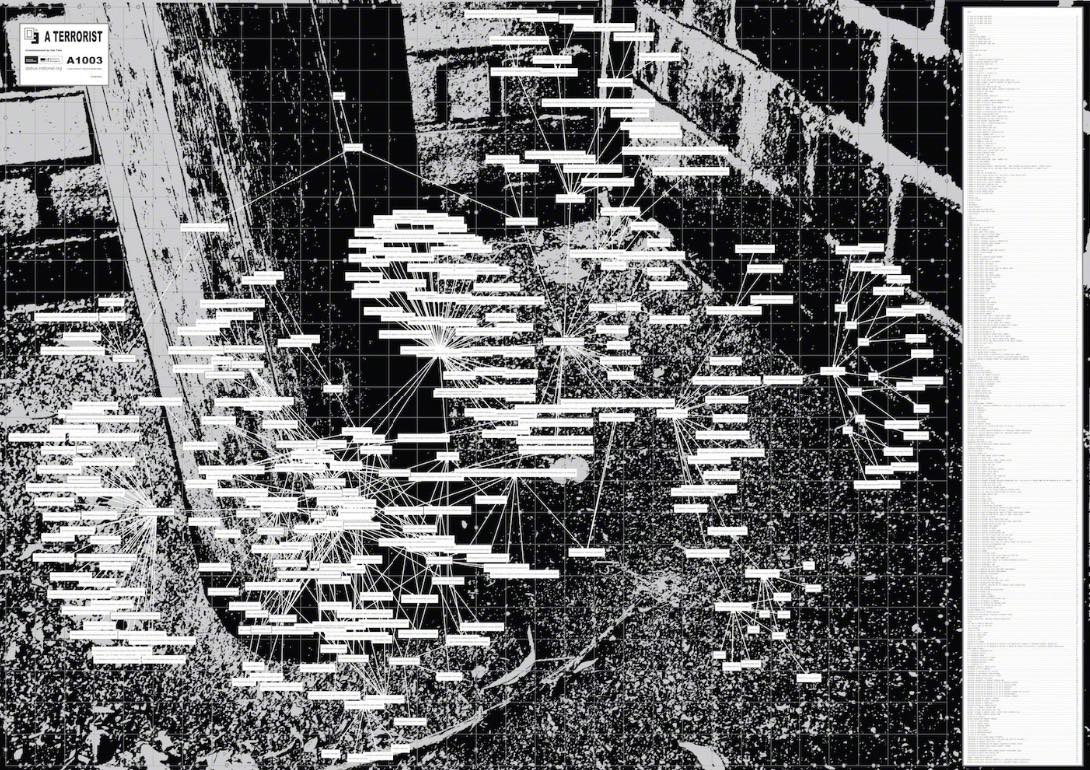
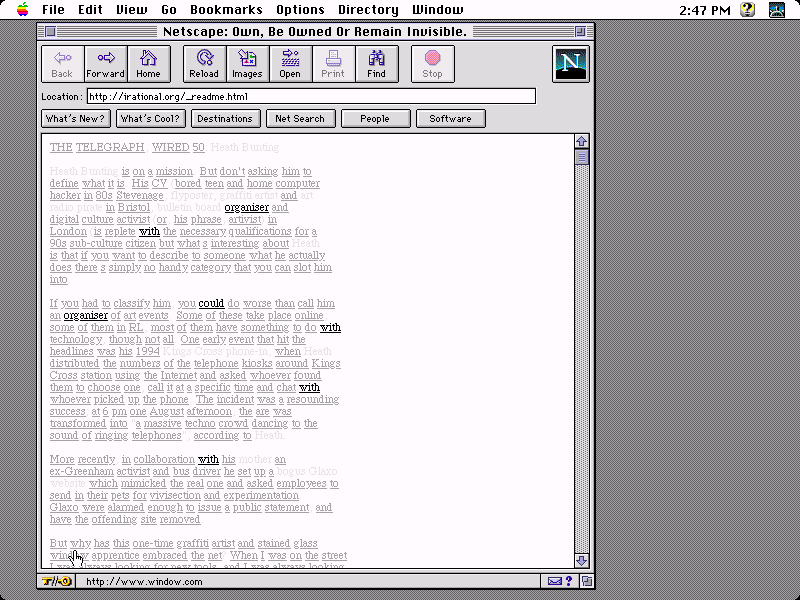
Heath Bunting is a British artist based in Bristol, UK. His work focuses on the development of open democratic and communication systems and social structures on the internet and in the public space. He has has worked in graffiti, performance, intervention, pirate radio, fax/ mail art, and BBS systems to become an active participant in the explosion of the internet.[1]

He is the founder of the site irational.org (with Daniel García Andújar, Rachel Baker and Minerva Cuevas) and was one of the early practitioners in the 1990s of Net.art. Bunting's work is based on creating open and democratic systems by modifying communications technologies and social systems. His work often explores the porosity of borders, both in physical space and online.[2]

Brenna MurphyModule Generator Unit or ArrayBrenna MurphyArea TransduceBrenna MurphyPlant Transmitter Guide
https://www.youtube.com/embed/5iqkt3GihWY
https://player.vimeo.com/video/262924726

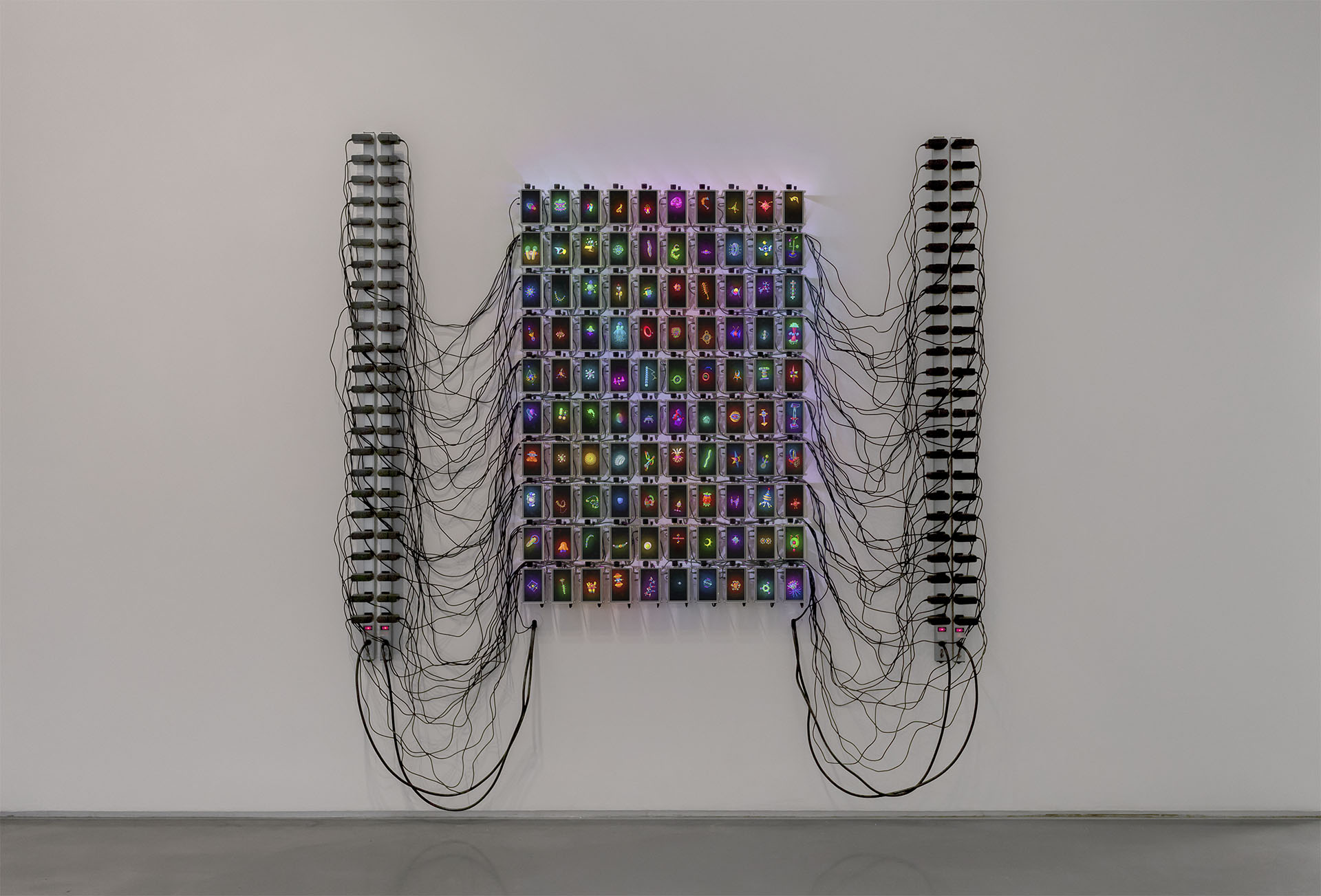
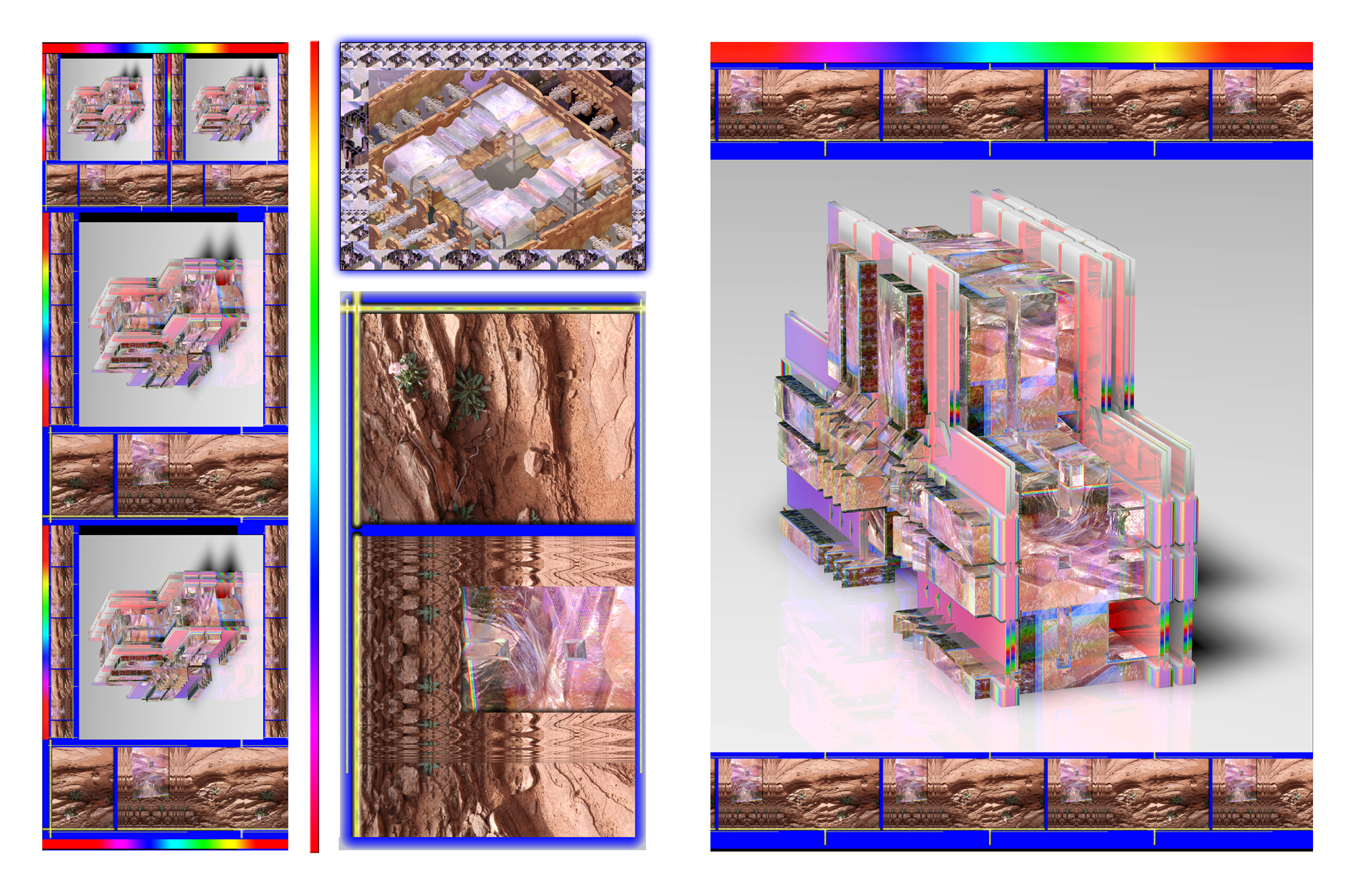
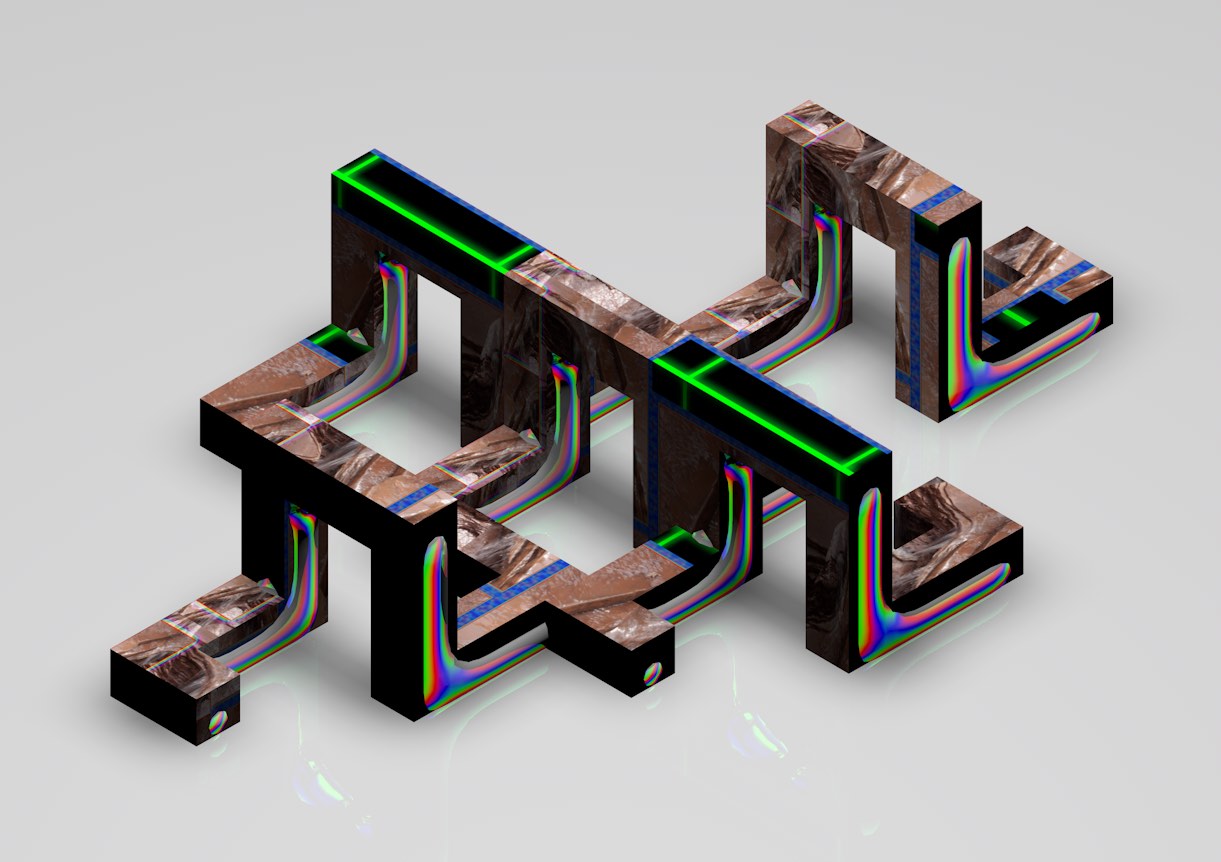
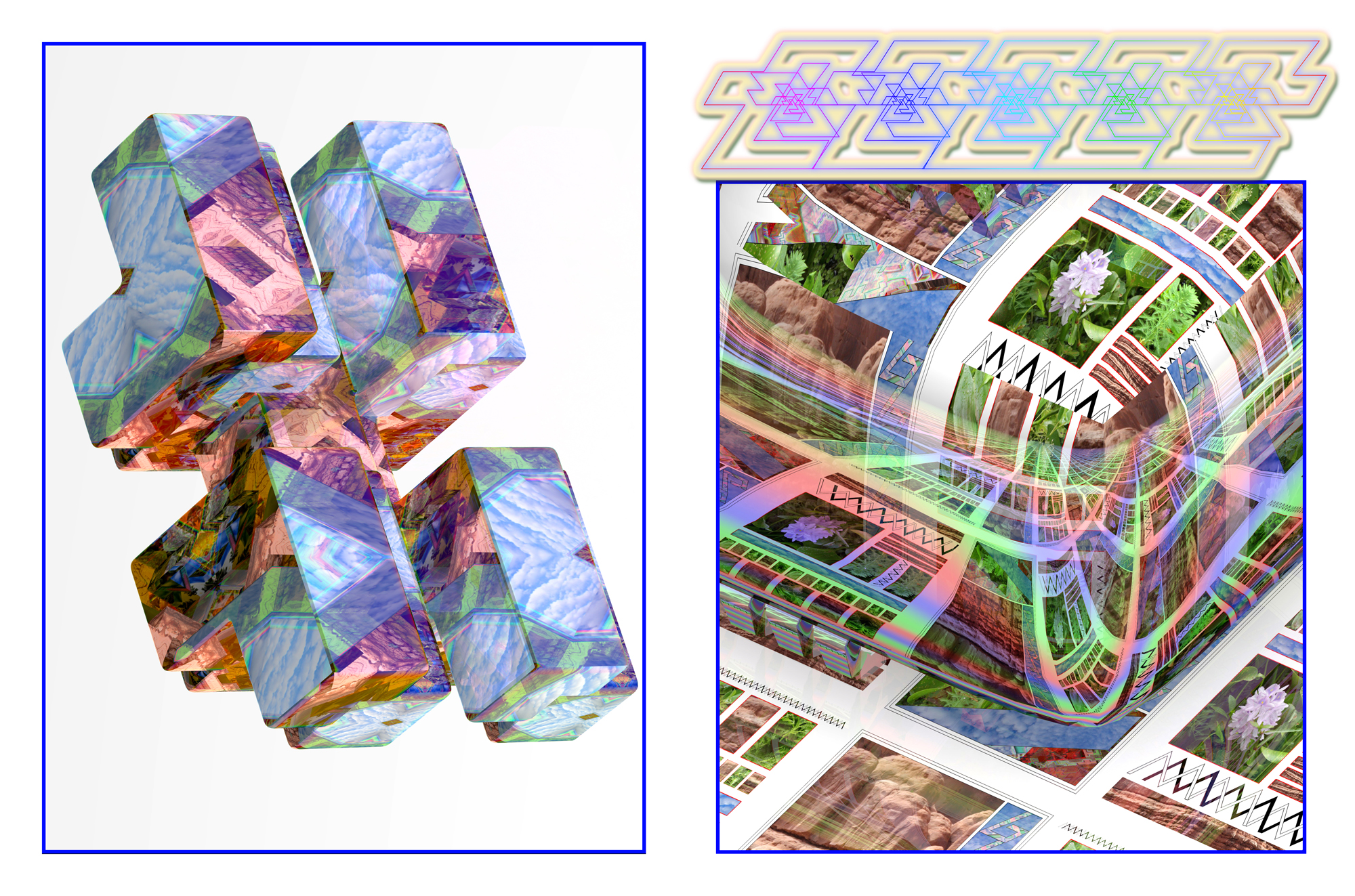
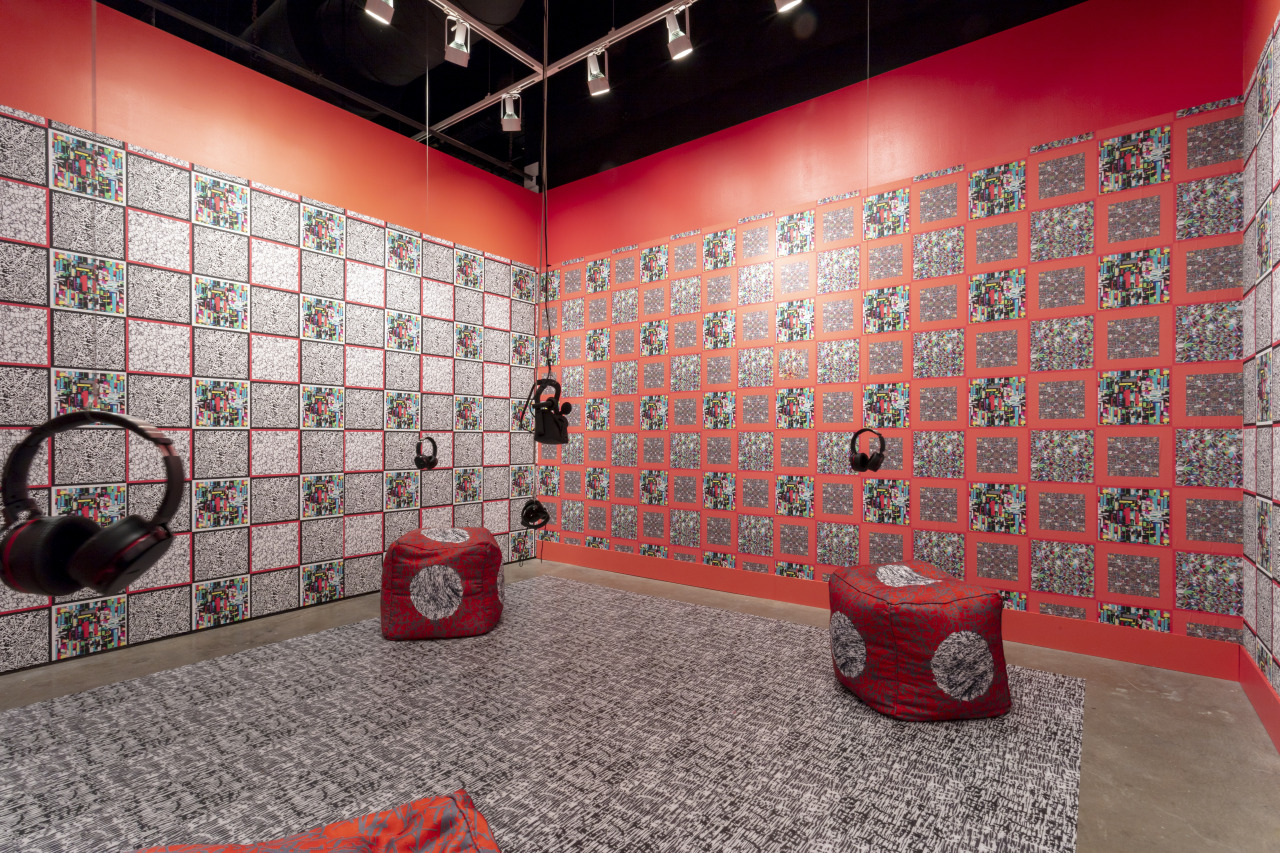
Brenna Murphy (born 1986) is an American artist based in Portland, Oregon. Her works combine digital and physical input, combining psychedelic visual forms with three-dimensional objects. Murphy's work has been called strange, but with an "uncanny familiarity." Murphy thinks of herself as a channel that mediates between the digital and the physical. She privileges neither the physical nor the virtual and her sculptures are models of her net-based works as much as her net-based works are models of her sculptures. [1]

Her exhibition Liquid Vehicle Transmitters appeared at the Yerba Buena Center for the Arts in San Francisco, CA in 2013. The exhibit featured prints and physical representations of her internet-based work, forming "an interactive arena of labyrinthine sculptures". An auxiliary installation featured the audiovisual work of MSHR, her collaboration with Birch Cooper. Her work has been exhibited online via the New Museum and in group shows including This is what sculpture looks like, at the Postmasters Gallery in New York City. Her work has been collected in the book Domain~Lattice. [1]

References:1. https://en.wikipedia.org/wiki/Brenna_Murphy2. Brenna Murphy [YBCA (Yerba Buena Center for the Arts)]3. Brenna Murphy [YBCA (Yerba Buena Center for the Arts)]4. Brenna Murphy [Wikipedia]

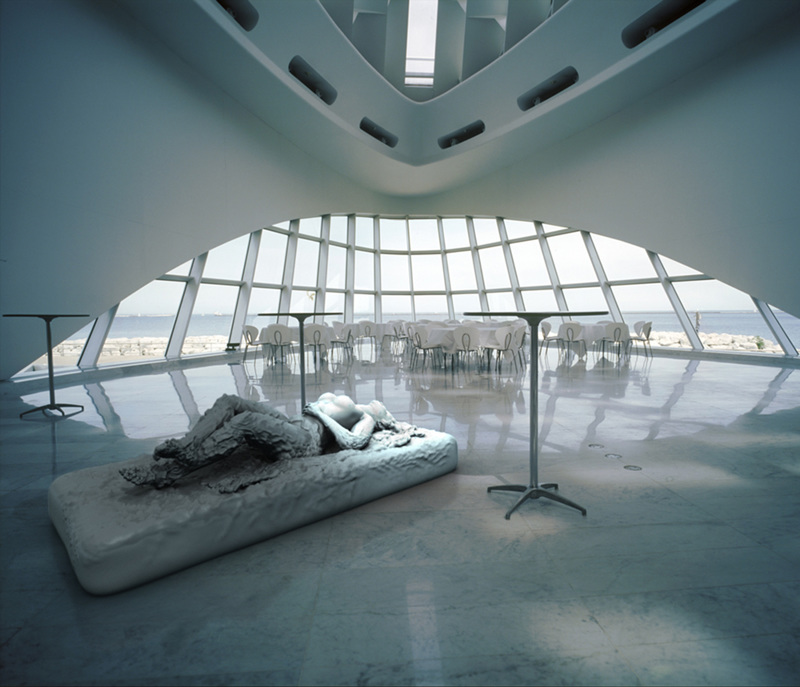
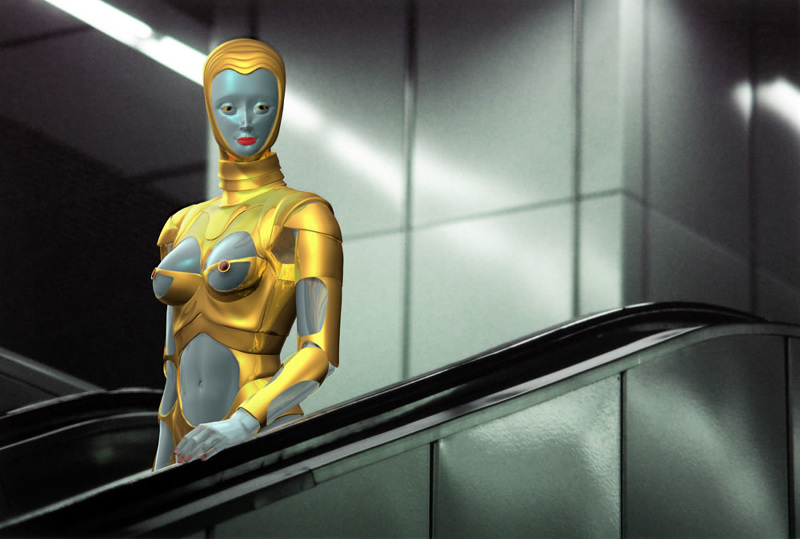
Claudia Hart (born 1955 in New York, NY) is an artist and associate professor in the Department of Film, Video, New Media, Animation at the School of the Art Institute of Chicago, Chicago, Illinois. She is represented by bitforms gallery, New York. Hart has been active as an artist, curator and critic since 1988. She creates virtual representations that take the form of 3D imagery integrated into photography, animated loops and multi-channel animation installations. [1]

Hart's work applies a feminist perspective to a discussion of digital technology and a critique of the media. Much of her work attempts to introduce women into a male-dominated technological culture and condemn the violent impulses of a masculine digital production environment. In her artist statement, Hart says, "By creating virtual images that are sensual but not pornographic within mechanized, clockwork depictions of the natural, I try to subvert earlier dichotomies of woman and nature pitted against a civilized, "scientific" and masculine world of technology. In my own way, I am staging a romantic rebellion against technocratic and bureaucratic culture." [1]

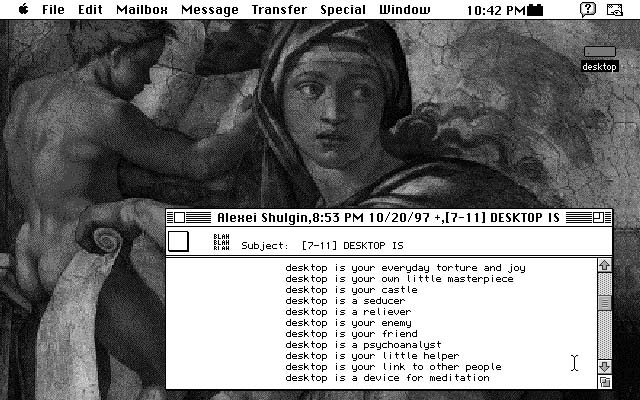
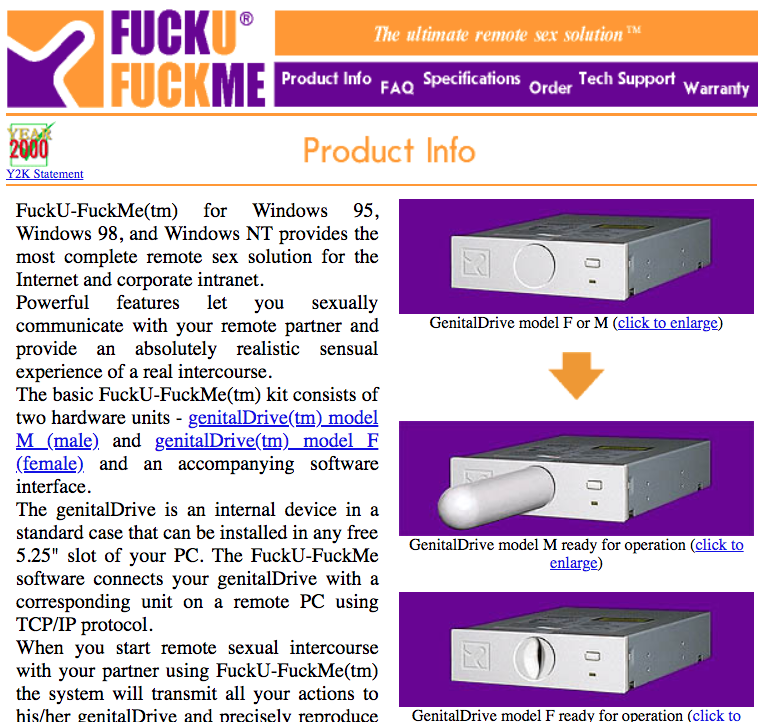
Alexei Shulgin, born in 1963 in Moscow. Since mid 80’s e has been working in the fields of photography, media and contemporary arts. In the 90’s he was one of the pioneers of Net Art. His cyberpunk rock band, 386 DX has toured extensively all over the world. Alexei has participated in numerous exhibitions, media art and music festivals in Russia and internationally. He was teaching at Proarte Institute in St. Petersburg in 2000-2001 and performed as a guest teacher at a number of art schools in Europe and the US. Alexei has curated several exhibitions; in 2001-2004 he was a co-organizer of Readme software art festival (Moscow-Helsinki-Aarhus-Dortmund). He is a co-admin of Runme.org software art repository on the Internet. In 2004 he has co-founded Electroboutique gallery in Moscow. At present, he teaches at Rodchenko school of Photography and Media Art in Moscow. Alexei Shulgin lives and works in Moscow.[1]

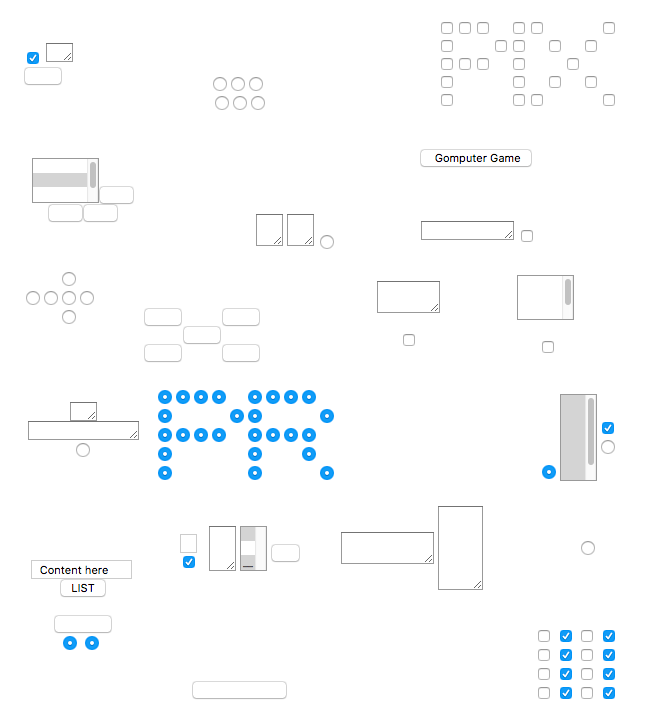
Particularly involved with software art and internet art, he is a part of the readme culture and uses code as a form of art. In 1997, he released his first interactive work, Form Art, in which only minimum factors are programmed in the form of HTML. Shulgin describes this page as a "formalistic" aesthetic art site - a play on words taking into account the clean composition as well as the tools of its creation. Navigating this site requires aimless click-throughs of blank boxes and links, which lead the viewer through 19 pages of "form art" animations. Behavioral expectations are subverted by frequently overriding default functionality of basic form elements such as radio buttons and list boxes.[2]

Many links on his site are now 404, selected online works:

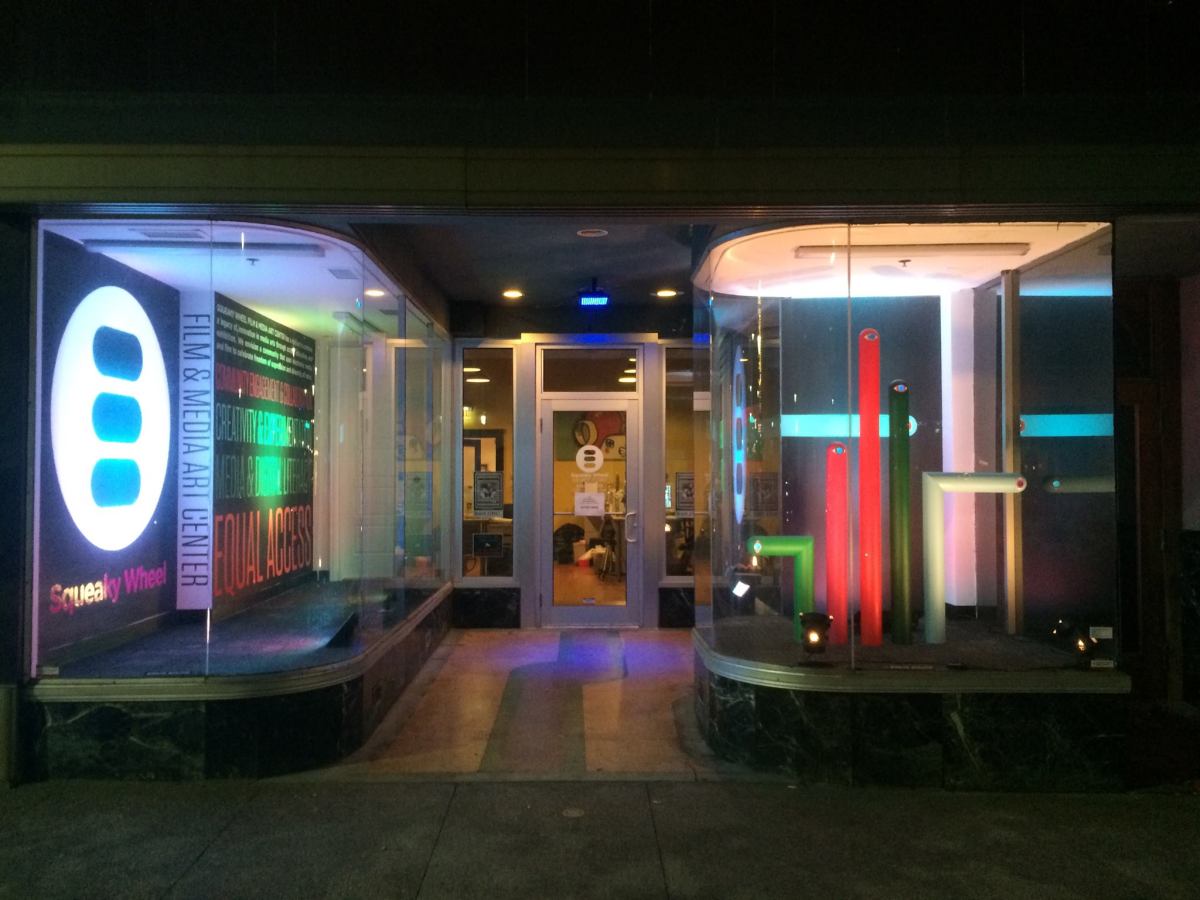
Squeaky Wheel Film & Media Art Center is an artist-run, non-profit, media arts center based in Buffalo, New York. Founded in 1985, the organization provides the Western New York region with low-cost media equipment rentals, media arts education for youth and adults, residencies for artists and researchers, and exhibitions, screenings, and other public programming. [1]

Squeaky Wheel Film & Media Art Center has a mission to continue a legacy of innovation in media arts through access, education, and exhibition. We envision a community that uses electronic media and film to celebrate freedom of expression and diversity of voice.

Established in 1985, Squeaky Wheel Film & Media Art Center is the only organization in Western NY to offer education, equipment access, and exhibition programming dedicated to exploring film & digital media arts. Squeaky Wheel’s reputation in the media arts field continues to grow nationally and internationally. We have won awards for Best Workshops of Any Kind (2010); Best Curation (2012); Best Youth Workshops (2013) from regional publication, Buffalo Spree Magazine of Western New York. In 2014, the Arts Services Initiative of Western New York nominated Squeaky Wheel “Cultural Organization of the Year”. [2]