foundyou.online - Directory for New Media Art
Open Filters

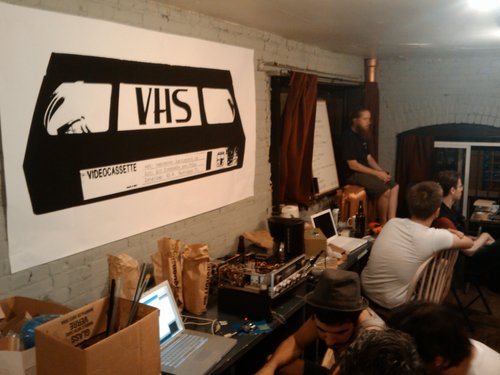
VHS provides a physical space where people can gather to share ideas, equipment, opinions, and beer. Members work on personal projects, collaborate with others, and learn new skills. More than just a studio space, we focus on sharing all sorts of knowledge within a friendly and collaborative atmosphere. VHS is the community garage for a community without garages.[1]

Many of our members share an interest in 3D printers, laser cutting, machining, crafting, electronics, robotics, programming, electronic music, and art. We welcome anyone with skills to share or an interest in learning, and strive to be as open as possible in everything we do.[1]

References:1. http://vanhack.ca/wp/about/2. Vancouver Hack Space: Your Community Workshop! [Vancouver Hack Space]3. About Vancouver Hack Space [Vancouver Hack Space]
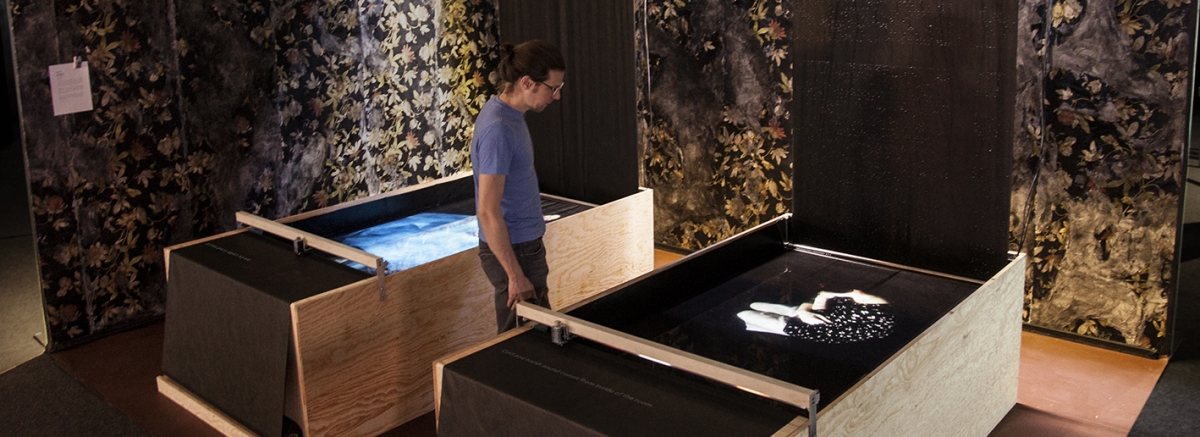
The Center for Digital Arts and Experimental Media, or DXARTS, is a program offering PhD studies in new media art at the University of Washington. The goal of doctoral education in Digital Arts and Experimental Media is to create opportunities for artists to discover and document new knowledge and expertise at the most advanced levels higher education can offer. While creating new art is at the center of all activities in the program, the DXARTS PhD is a research-oriented degree requiring a substantial commitment to graduate-level study and reflection. The Ph.D. degree prepares artists to pursue original creative and technical research in Digital Arts and Experimental Media and pioneer lasting innovations on which future artists and scholars can build.[1]

DXARTS fosters the invention of new forms of digital and experimental arts by synthesizing expanded studio research with pioneering advances in digital computing, information technologies, performance, science, and engineering. Embracing an expansive range of arts practice, theory, and research across multiple disciplines, DXARTS creates opportunities for artists to discover and document new knowledge and expertise in an evolving field of media arts.[2]

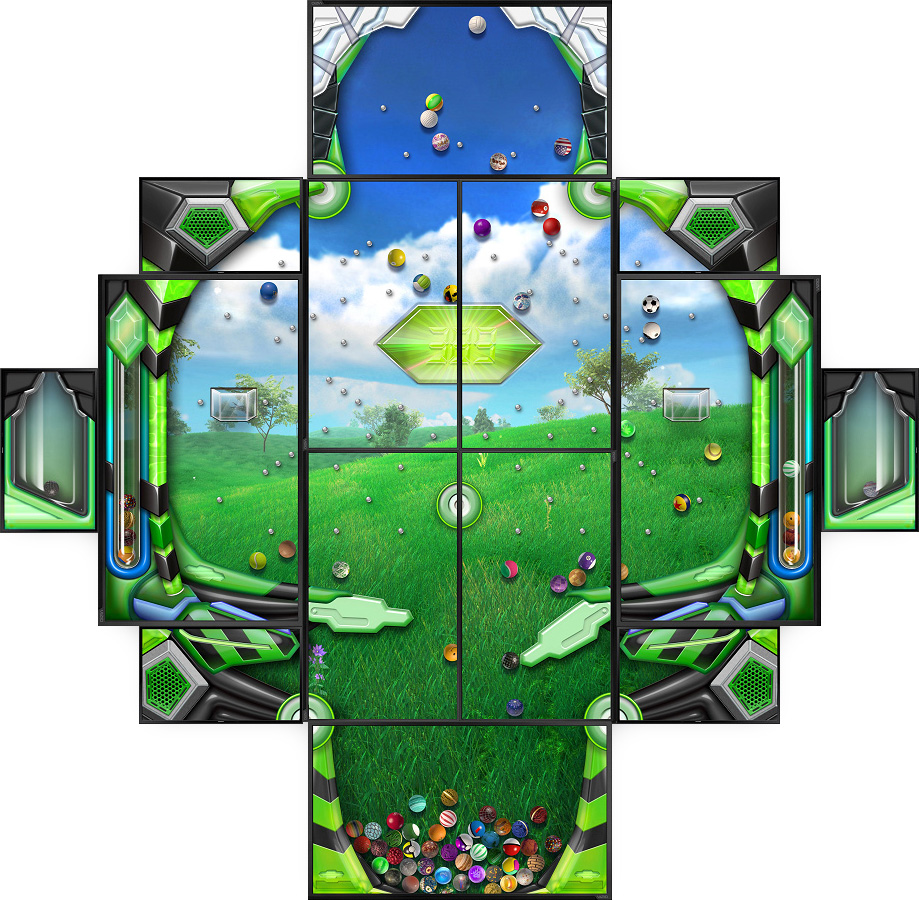
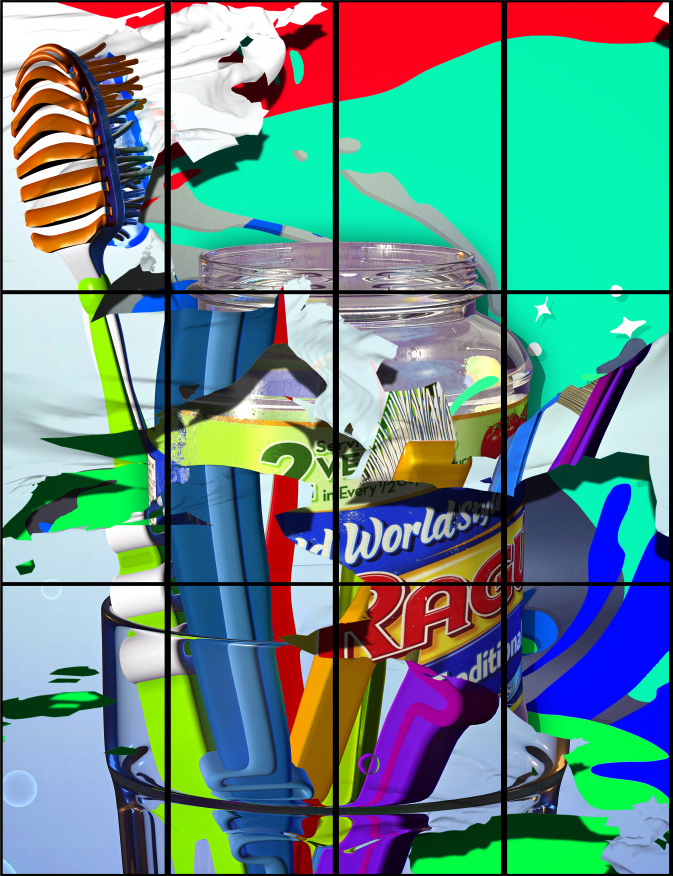
Tabor RobakA* (2014)Tabor RobakA* (2014)Tabor RobakBlossom (2018)Tabor RobakWhere's My Water (2015)Tabor RobakButterfly Room (2015)
https://player.vimeo.com/video/102429088?color=fcfcfc&title=0&byline=0&portrait=0
https://player.vimeo.com/video/216326912
https://player.vimeo.com/video/150692891?color=ffffff&title=0&byline=0&portrait=0

Tabor Robak is an American artist working in video art and electronics including live-rendering 3D graphics and custom built PC graphics installations.

Robak's early works consisted of 3D interactive environments, to be accessed on the artist's website. These pieces, which the artist described as having a "desktop screensaver aesthetic," sought to isolate digital space as a fact, an abstracted, alternate reality. Robak's work explores the visual vocabulary of modern video games, advertising and animated film, to examine societal perceptions of the digital and the real.[1]

References:1. https://en.wikipedia.org/wiki/Tabor_Robak2. Tabor Robak CV [Tabor Robak]3. Tabor Robak CV [Tabor Robak]

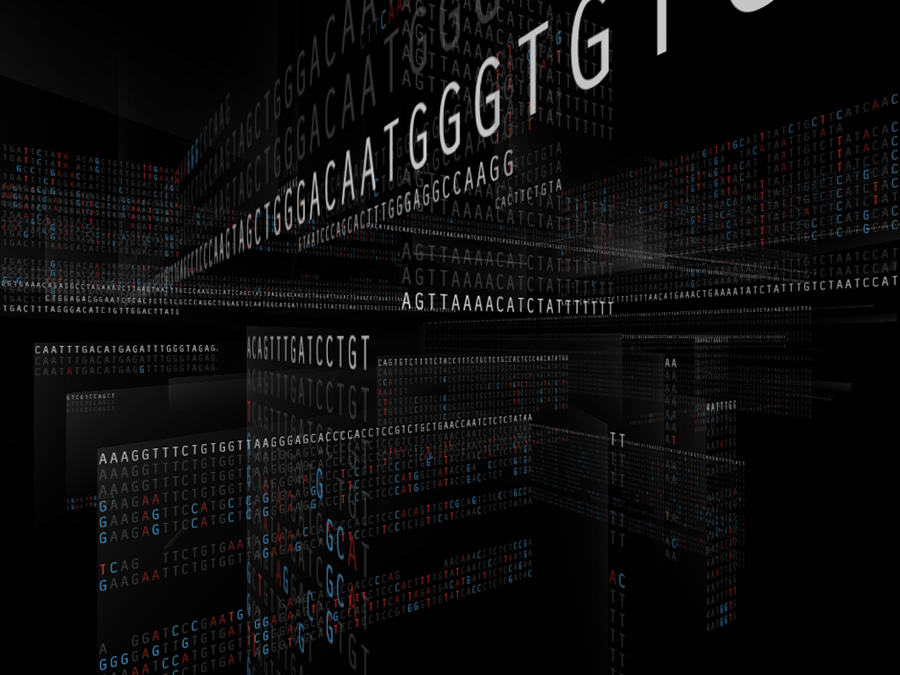
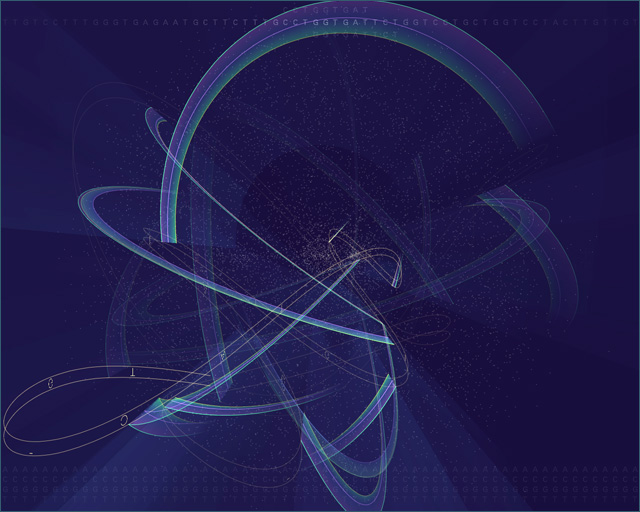
Benjamin Fry (born 1975) is an American expert in data visualization. He is a principal of Fathom, a design and software consultancy in Boston, Massachusetts. He is also a co-developer of Processing, an open-source programming language and integrated development environment (IDE) built for the electronic arts and visual design communities with the purpose of teaching the basics of computer programming in a visual context. The Processing design environment developed together with Casey Reas won a Golden Nica from the Prix Ars Electronica in 2005.[1]

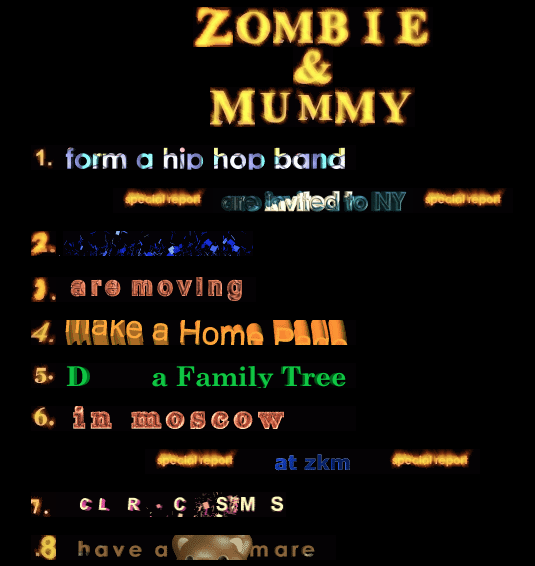
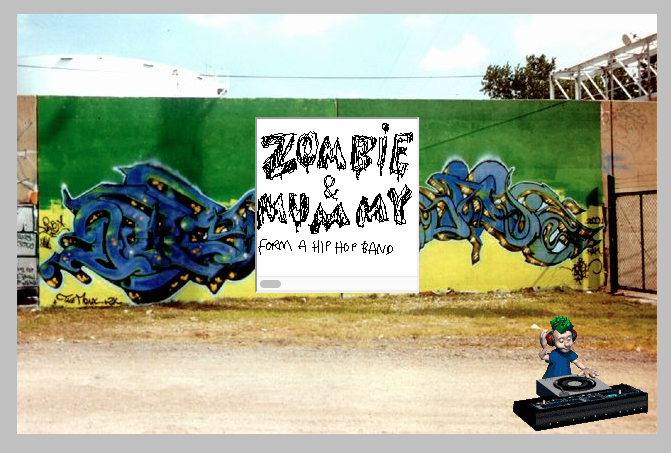
For Zombie & Mummy, Lialina and Espenschied are creating weekly episodes of a comic strip featuring the two title characters. Each episode is embedded in a colorful environment. Drawn on a Palm pilot, the cartoons themselves have a low-tech look, with no shades of gray and only 160x146 pixels per frame. They can be viewed online or downloaded for a palm device.[1]

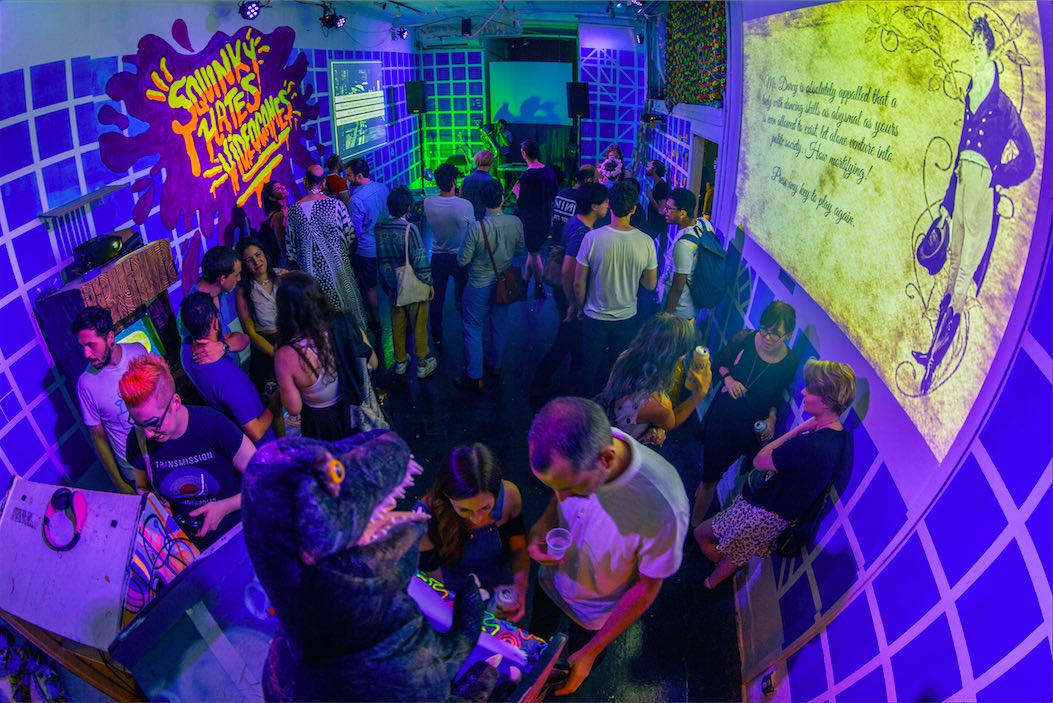
Babycastles mission is to amplify the diversity of voices in videogame culture by providing artists support to actualize ideas and expose that work to new audiences.[1]

Drawing values from our history in New York’s DIY scene, Babycastles provides an open, accessible and collaborative platform for sharing experimental work across a broad community of artists, musicians, writers, technologists, gamemakers, students, organizers, activists, researchers, chefs, scientists, teachers, animators, zinemakers, filmmakers, moms, modders, curators, speedrunners, builders, journalists, storytellers, comedians, poets, dancers, LARPers, playwrights, Wikipedia editors, botmakers, programmers, performers, algorithms, AI...[1]

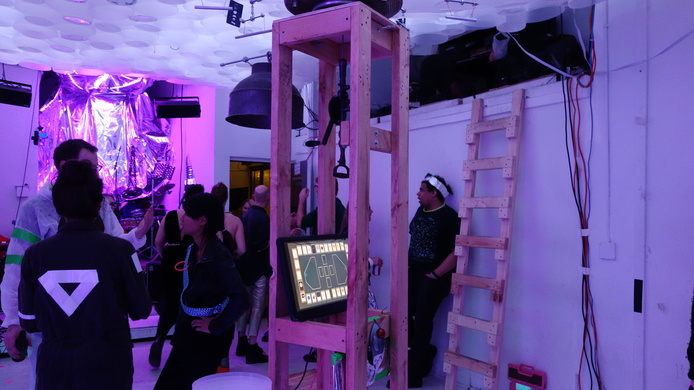
The Babycastles art collective began in 2010, roaming between locations throughout New York but usually showcasing events and exhibits at Silent Barn in Brooklyn. After settling into a permanent Chelsea home in 2014, the collective could host musical performances as well as more frequent revolving art shows.[2]

The concerts included all genres—lots of electronic and chiptune acts, but sometimes more obscure, self-proclaimed “nerdy” acts like The Doubleclicks too. It’s not just music either. The venue puts on poetry readings and live theater as well, like the immersive fantasy musical The Universe is a Small Hat. To top it off, Babycastles functions as a coworking space during daytime hours.[2]

Established in 2004, Secret Project Robot is a 501c3 not for profit artist run art space with a gallery which hosts art installations, music, performance art, gatherings, happenings, craft nights, parties, dj's and much more. In 2017, the founders and co-conspirators created a new bar and hangout within Secret Project Robot to help fund the space and employee artists. [1]

VISION

Secret Project Robot aims to integrate and overlap all the arts into a fluid, artful, casual, friendly environment, to create a perpetual happening and a kind of house party that is run and supported by the people participating.

Secret Project Robot seeks to build a strong artist, musician, and intellectual community as a tangible way to mitigate the feelings of alienation brought on by tyranny and a failing world order created by the neo-liberal capitalist system.

Secret Project Robot desires to be a fully self sustaining artist run art space. Using sales from the Bar we are aiming to create a new way to run and communally finance an art space and art. [1]

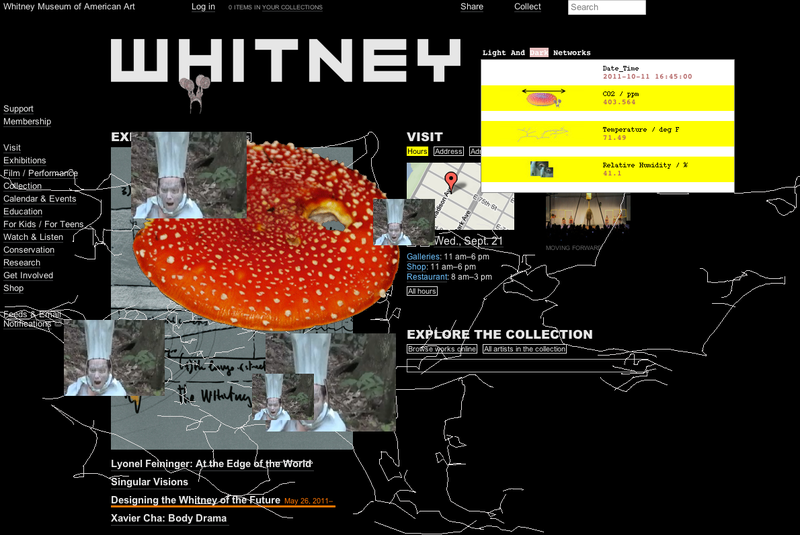
Whitney ArtportWhitney ArtportUrsula Endlicher, Light and Dark Networks, 2011.
https://www.youtube-nocookie.com/embed/e1ehF1tOoaA

Artport is the Whitney Museum's portal to Internet art and an online gallery space for commissions of net art and new media art. Originally launched in 2001, Artport provides access to original art works commissioned specifically for Artport by the Whitney, documentation of net art and new media art exhibitions at the Whitney, and new media art in the Museum's collection. [1]

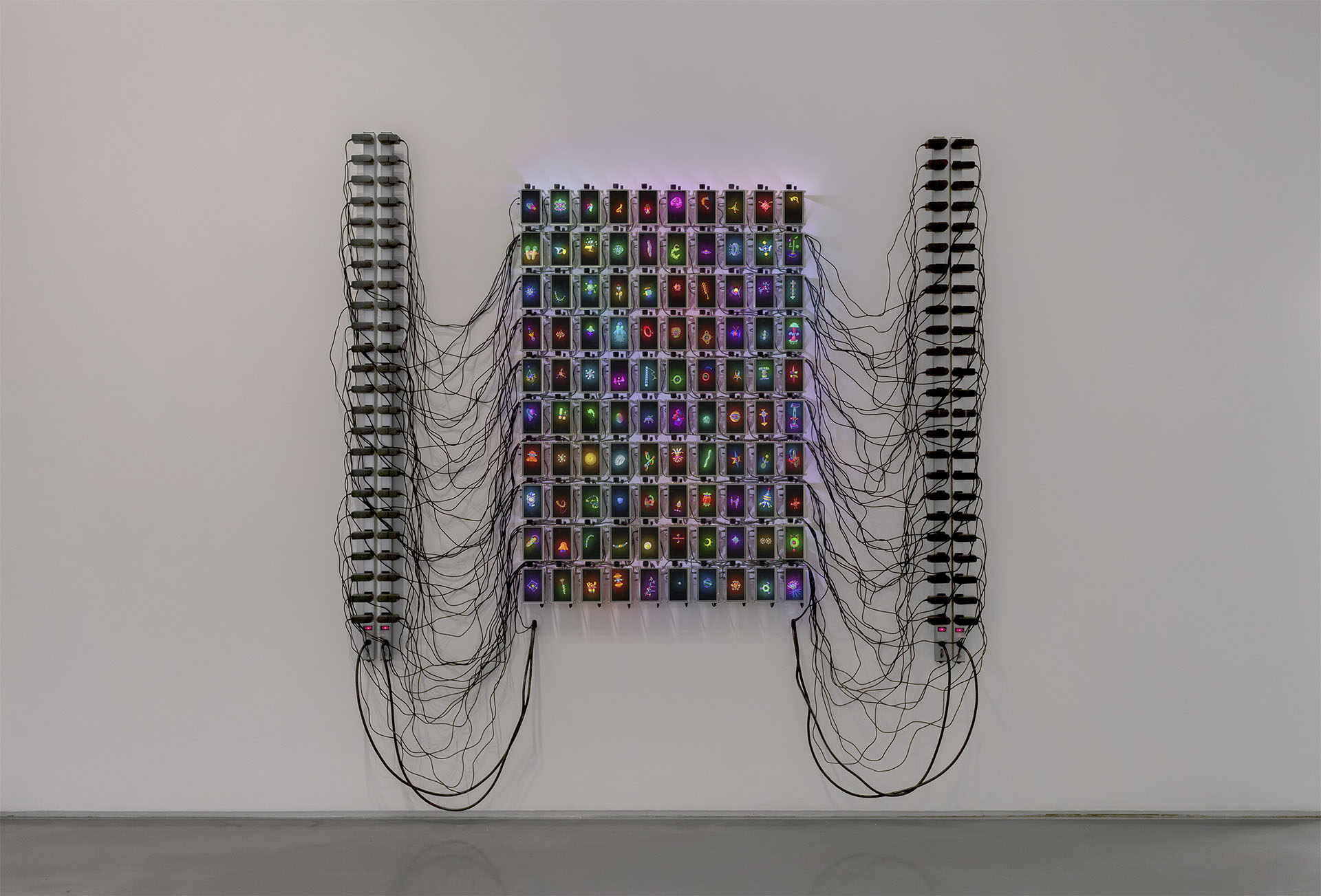
Founded in 2001, bitforms gallery represents established, mid-career, and emerging artists critically engaged with new technologies. Spanning the rich history of media art through its current developments, the gallery’s program offers an incisive perspective on the fields of digital, internet, time-based, and new media art forms. [1]

Supporting and advocating for the collection of ephemeral, time-based, and digital art works since its founding, bitforms gallery artists are in the collections of the Museum of Modern Art, New York; Tate Modern, London; the Solomon R. Guggenheim Museum, New York; the Smithsonian American Art Museum, Washington, D.C.; the National Portrait Gallery, Washington, D.C.; Center for Art and Media (ZKM), Karlsruhe; Centre Pompidou, Paris; Victoria and Albert Museum, London; Stedelijk Museum, Amsterdam; and Borusan Contemporary, Istanbul, among other institutions internationally.

From Rhizome:

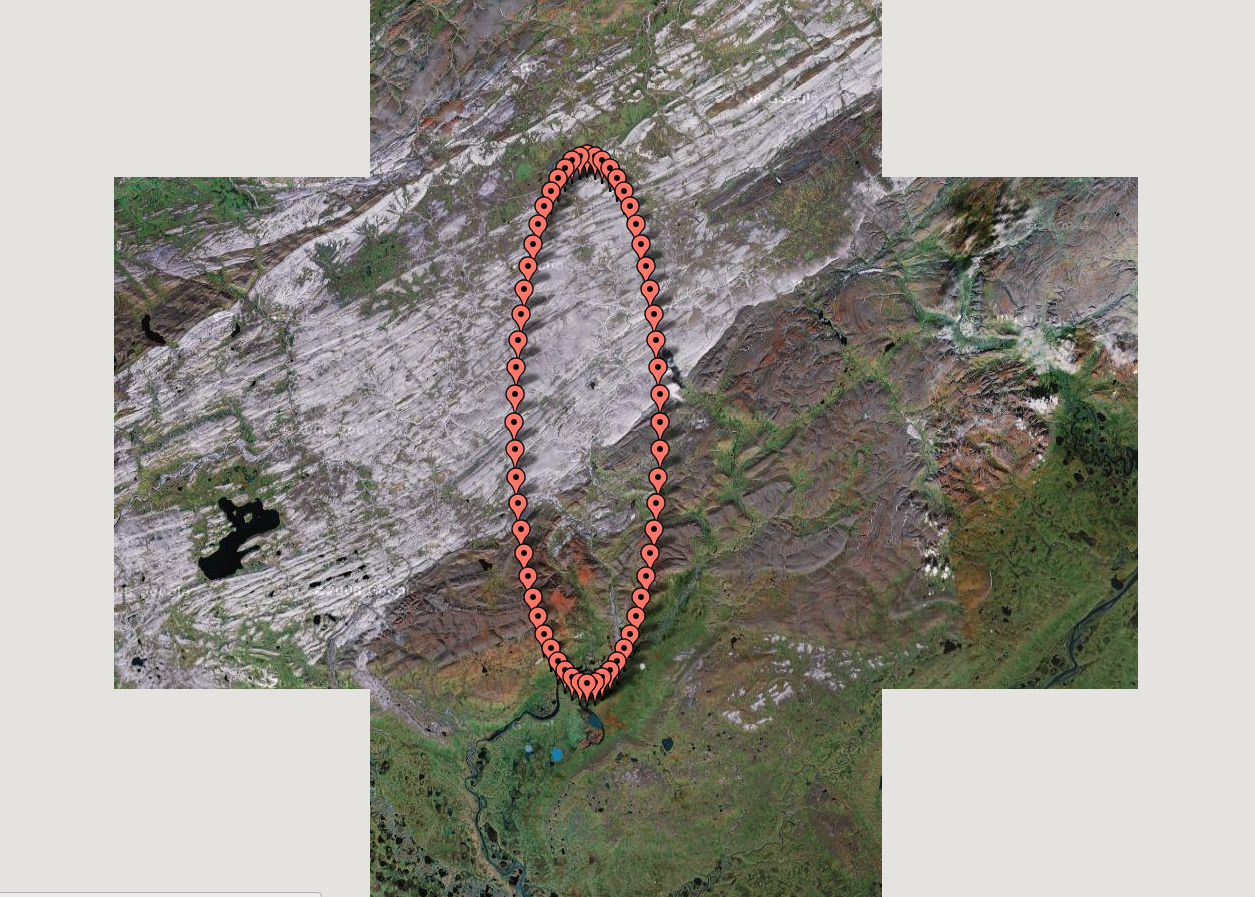
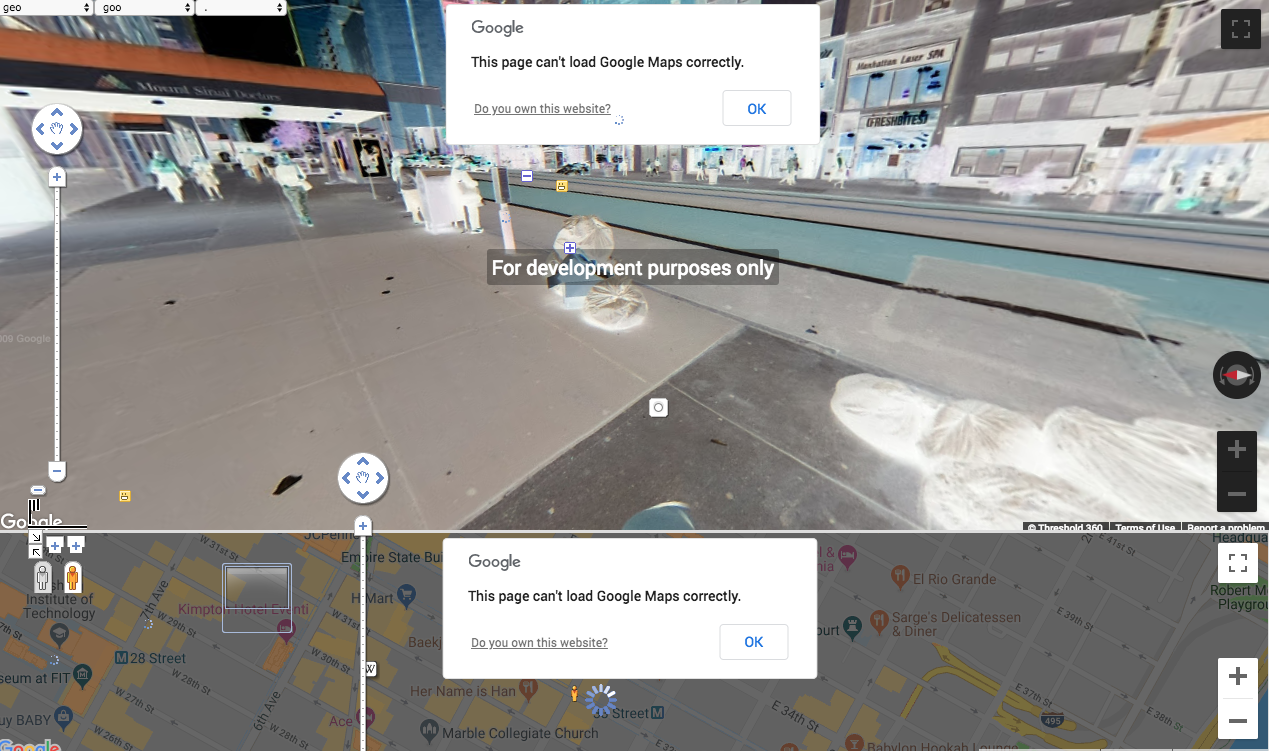
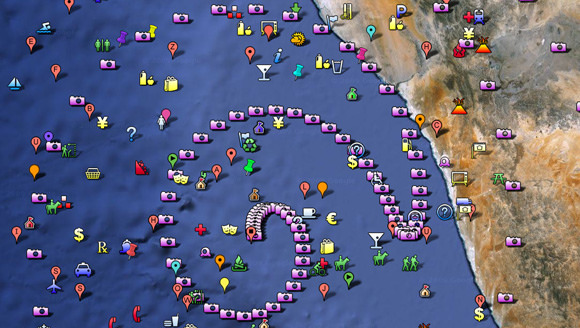
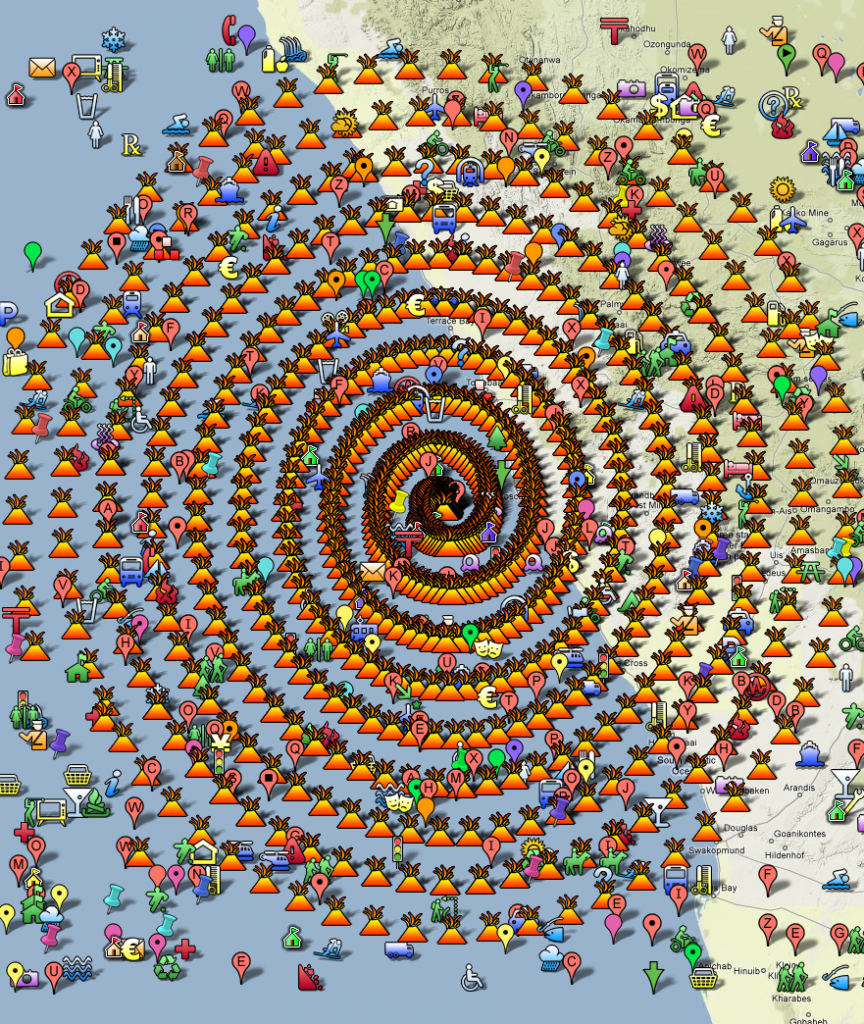
Globalmove.us implements a combination of the Google Maps API and subversive javascript written by the artists to create frenetic drawings (earthworks even) built of Google Maps UI elements. The ability for JODI's hand crafted javascript to accomplish this feat is explicitly allowed and defined by code that is written, hosted and provided by Google. Were this work to be preserved by a collecting institution, how would one ensure that changes made by Google to their Maps API does not destroy the functions implemented by the artist's code?