foundyou.online - Directory for New Media Art
Open Filters

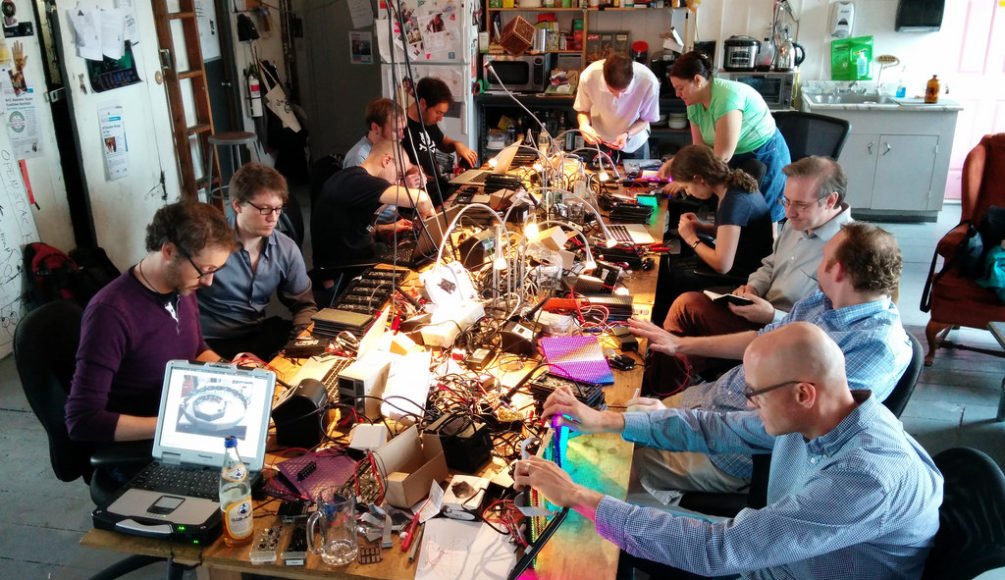
NYC Resistor is a hackerspace in New York, inspired by Chaos Computer Club and other hacker organizations. According to the NYC Resistor's website, "NYC Resistor is a hacker collective with a shared space located in downtown Brooklyn. We meet regularly to share knowledge, hack on projects together, and build community." [1]

NYC Resistor encourages participation by anyone who feels they can contribute. Nonmembers are welcome to attend Craft Nights and other public events, as well as take part in classes on a variety of subjects. Visiting beyond this can be arranged on a case by case basis with current members. [1]

References:1. https://wiki.hackerspaces.org/NYC_Resistor2. Meet: NYC Resistor [FreakAtoms]3. NYC Resistor [HackerspaceWiki]
Super Mario MovieSuper Mario MovieSuper Mario Movie
https://www.youtube.com/embed/oDDCoa71-yY
https://www.youtube.com/embed/JN-WCA5-Qxs

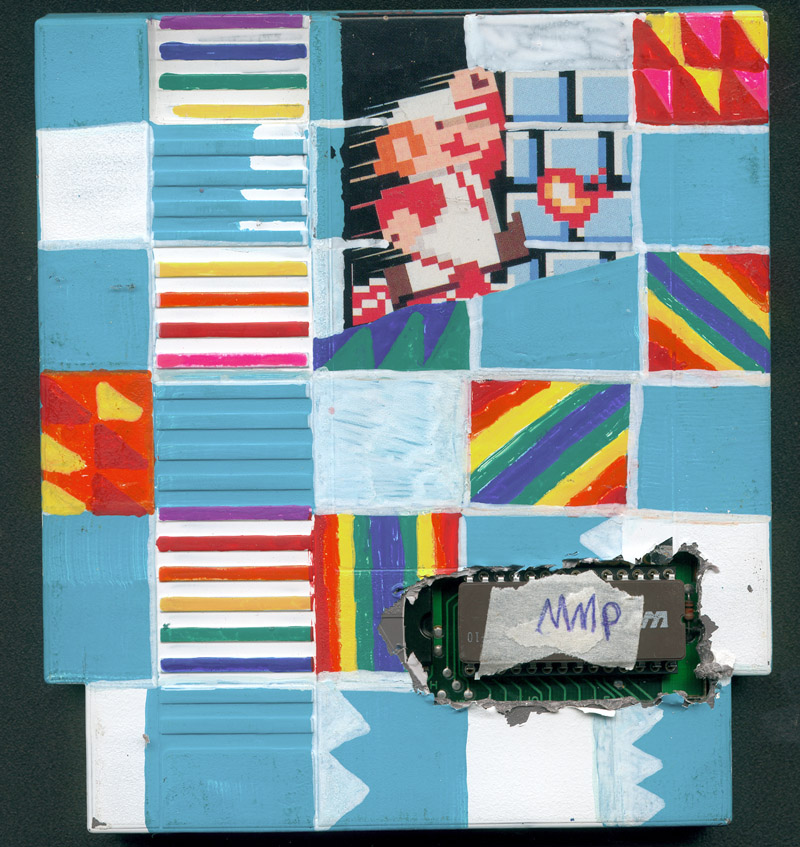
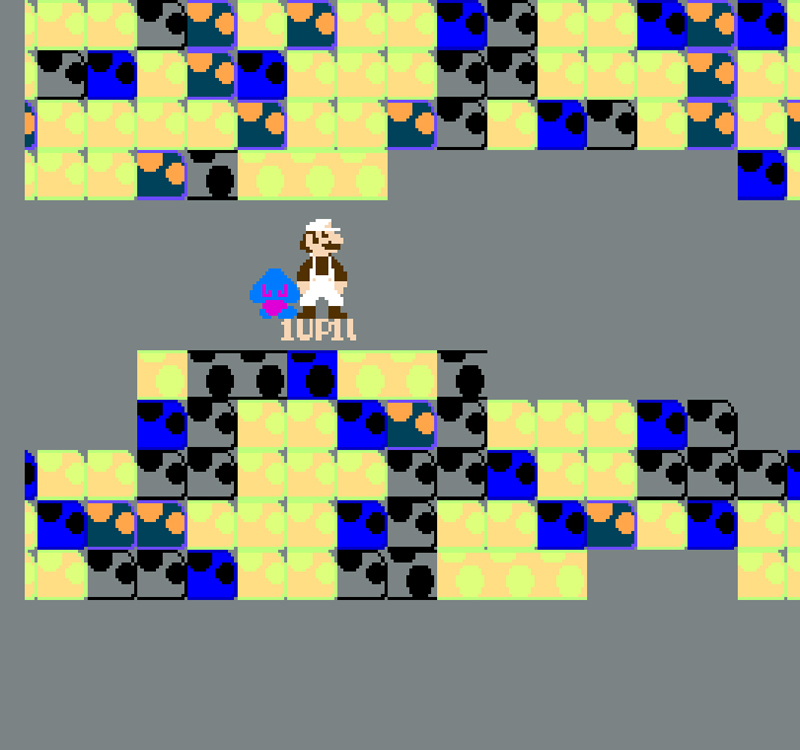
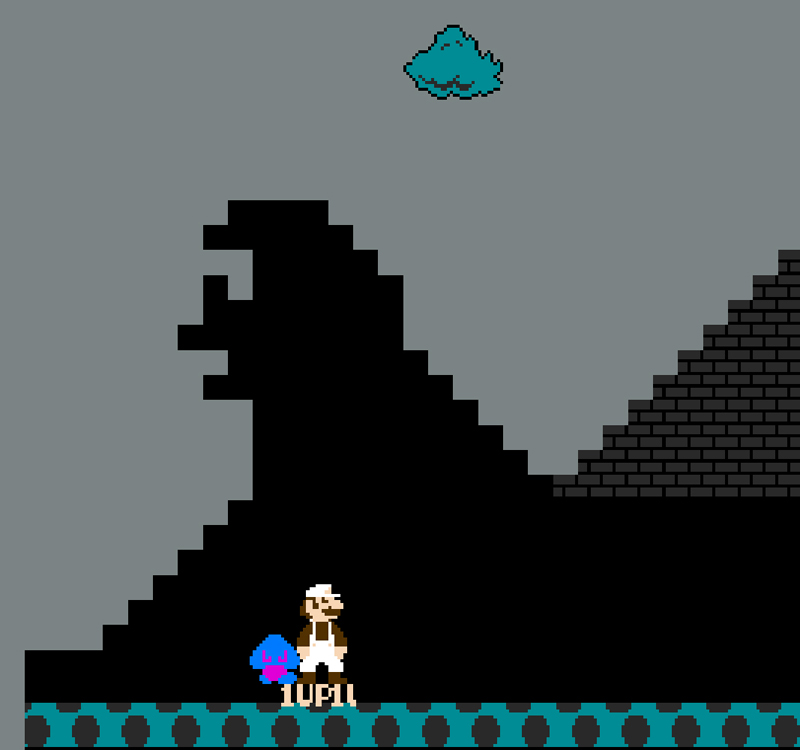
Super Mario Movie is a reprogrammed 8-bit Nintendo game cartridge revolving around the famed Italian plumber Mario who first made his appearance in 1981 as a character in the videogame ‘Donkey Kong’. Since Mario’s rise to fame he has become the main character in approximately 200 different videogames, making him somewhat of a pop-culture icon. In this work Arcangel hacks the game cartridge to produce a 15-minute movie showing how Mario’s life has spiralled out of control as a result of the gradual decay of his outdated technology. In the opening scene we read the following text; “as a video game grows old its content and internal logic deteriorate. For a character caught in this breakdown problems affect every area of life.” Whilst being partly satirical, Arcangel is also describing the natural degradation process that eventually affects all information storage devices and the short life-span that these technologies experience. This is partly due to the rapidly evolving pace of technological advancement and as such can be read as a comment on our insatiable hunger for constantly new and updated technology. [1]

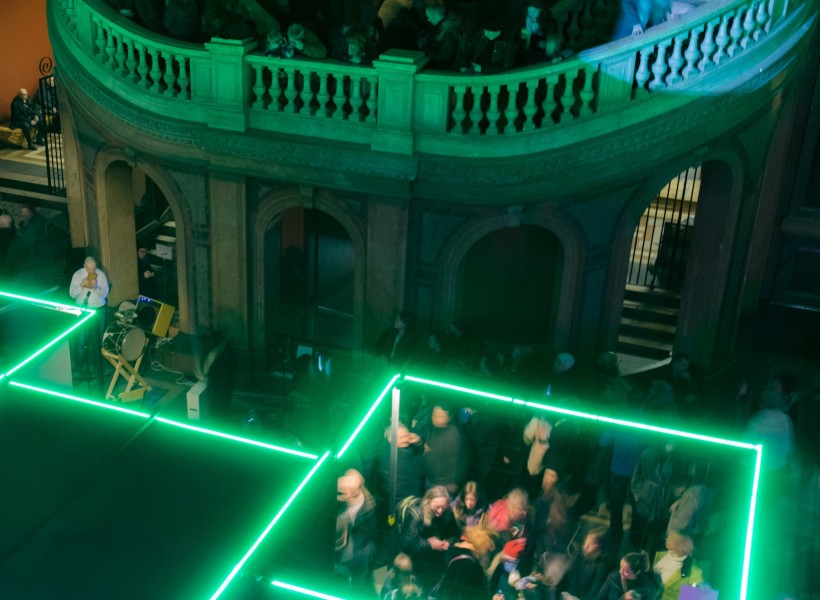
CYFEST is one of the largest international media art festivals, it was founded in St. Petersburg in 2007 by independent artists and curators. The festival promotes the emergence of new forms of art and high technology interactions, developing professional connections between artists, curators, engineers and programmers around the world and exposing wide audiences to the works in the field of robotics, video art, sound art and net art.

Gray Area Foundation for the Arts, Inc. is a 501(c)3 non-profit organization supporting art and technology for social good in San Francisco, California. Gray Area hosts exhibitions and music events, software and electronics classes, a media lab and resident-artist program. Gray Area Foundation for the Arts’ stated purpose is to bring “together the best creative coders, data artists, designers, and makers to create experiments that build social consciousness through digital culture.” [1]

References:1. https://en.wikipedia.org/wiki/Gray_Area_Foundation_for_the_Arts2. About [Gray Area]3. History [Gray Area]4. About [Gray Area]

And/Or Gallery is a contemporary gallery in Pasadena with an emphasis on new media exhibitions and editions.

The gallery originally operated in Dallas, Texas from 2006 to 2009 and has been written about in Art Forum and ARTnews, and was featured in the New Museum/MIT Press anthology Mass Effect: Art and the Internet in the Twenty-First Century. [1]

References:1. http://www.andorgallery.com/2. About And/Or Gallery [And/Or Gallery]3. And/Or Gallery [Wikipedia]

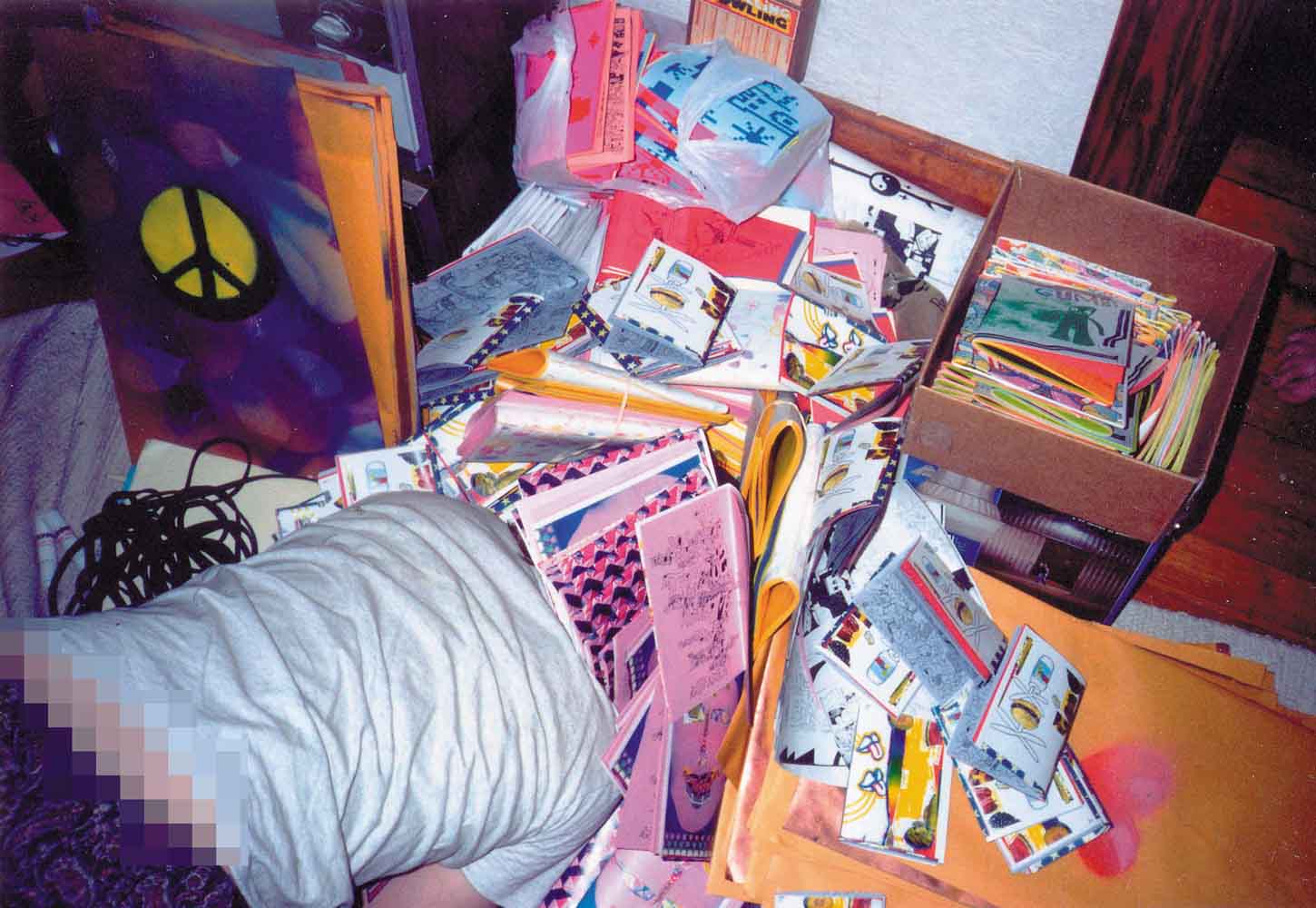
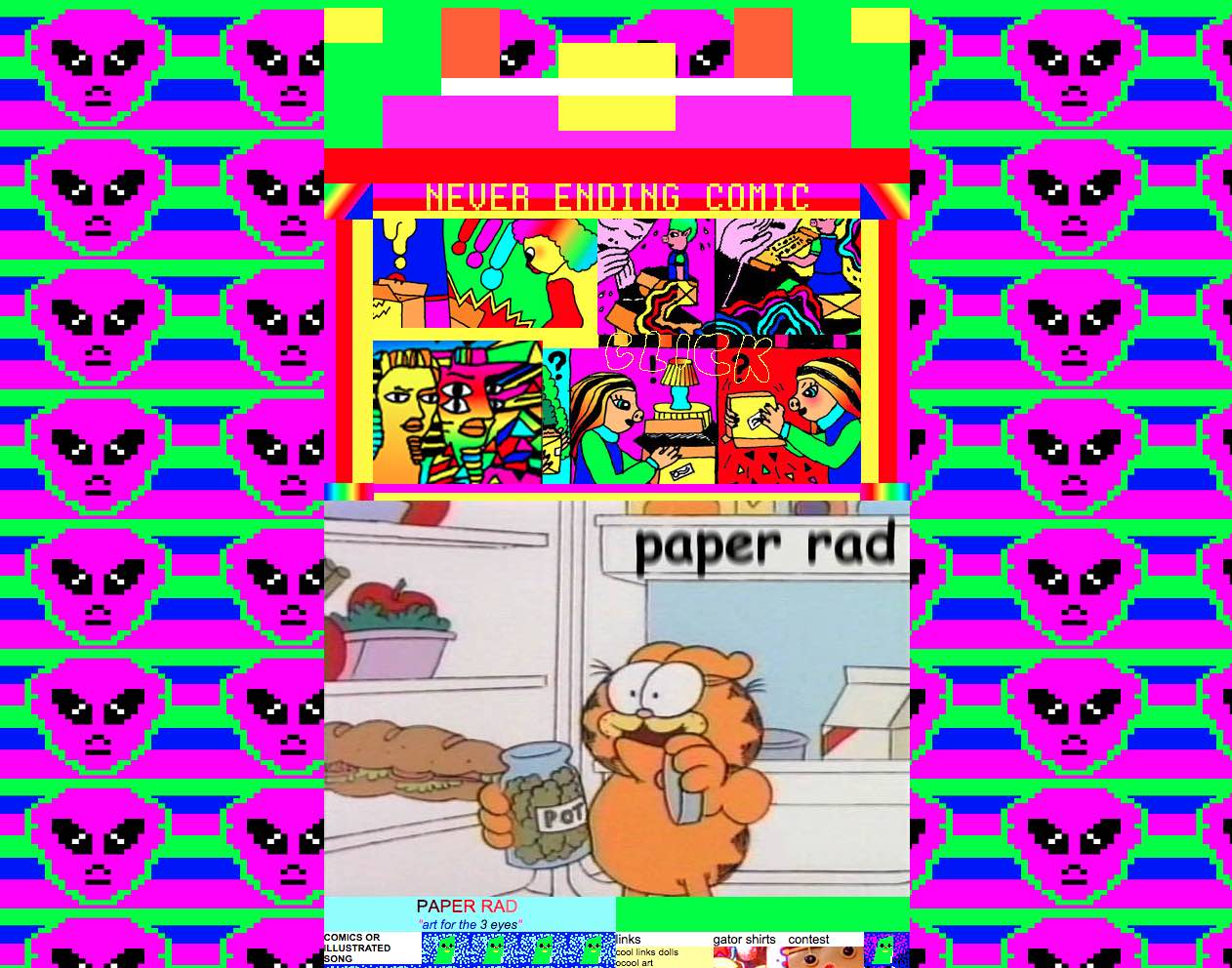
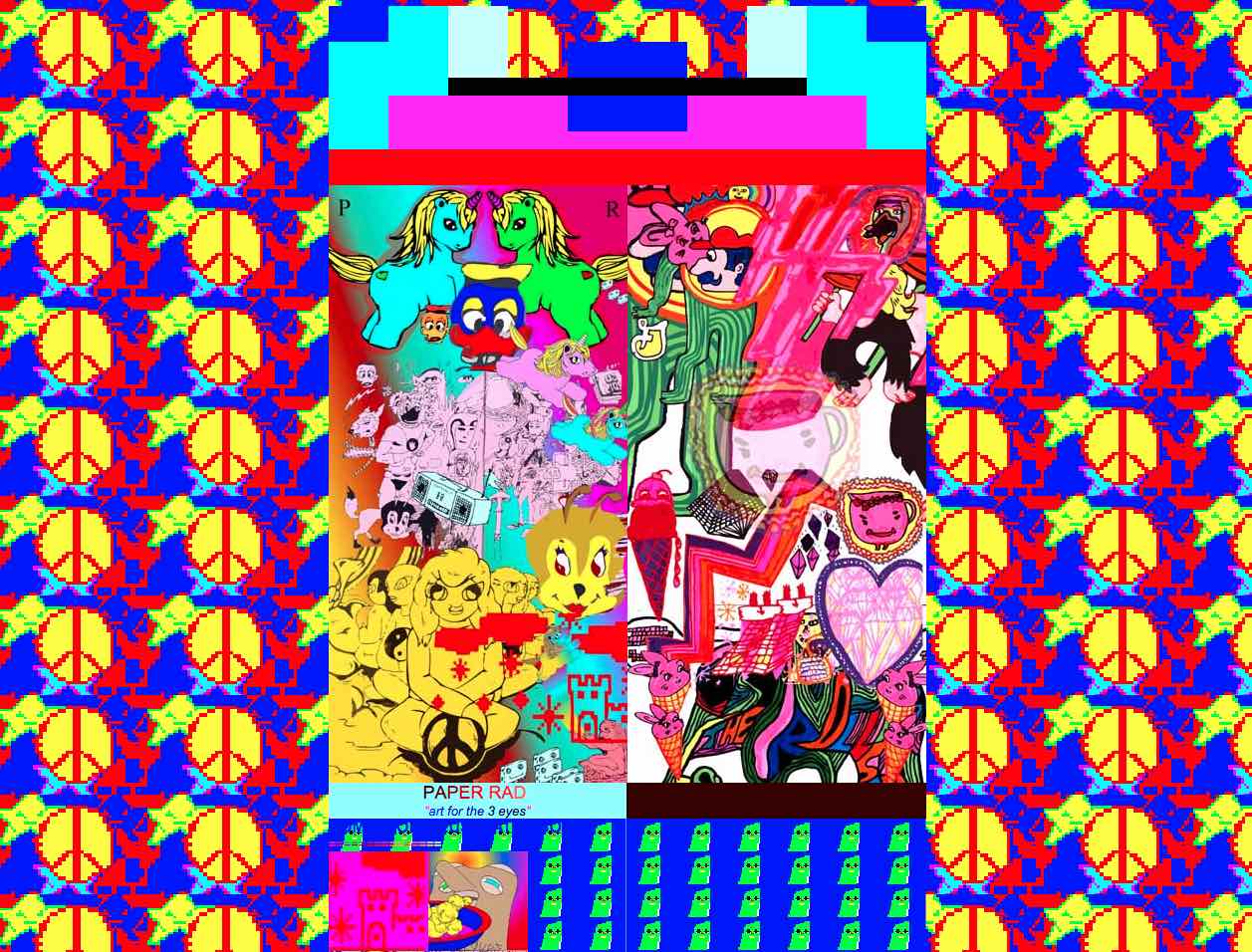
One of the most important collectives to emerge in the last decade, Paper Rad exploded at the edge of a cultural time zone—before the social web—when subculture was still palpable and also clearly becoming impossible to sustain. They emerged in the early ’00s within a community dedicated to DIY art practice that had strong roots in Providence, Rhode Island, as well as cities like Detroit, Baltimore, Boston, and towns in Western Massachusetts became known for a cartoon cosmos that felt like a psychedelic, subversive response to American pop culture that was hatched out of a sincere and deep engagement to it. Their work began with ’zines and music, and eventually grew to encompass digital animation, videos, installations, and their website—paperrad.org—which became an increasingly central part of their work as it drew attention and followers. [1]

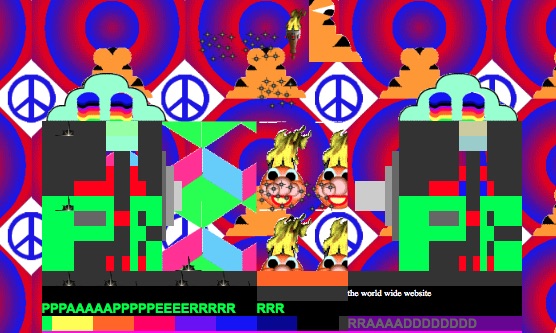
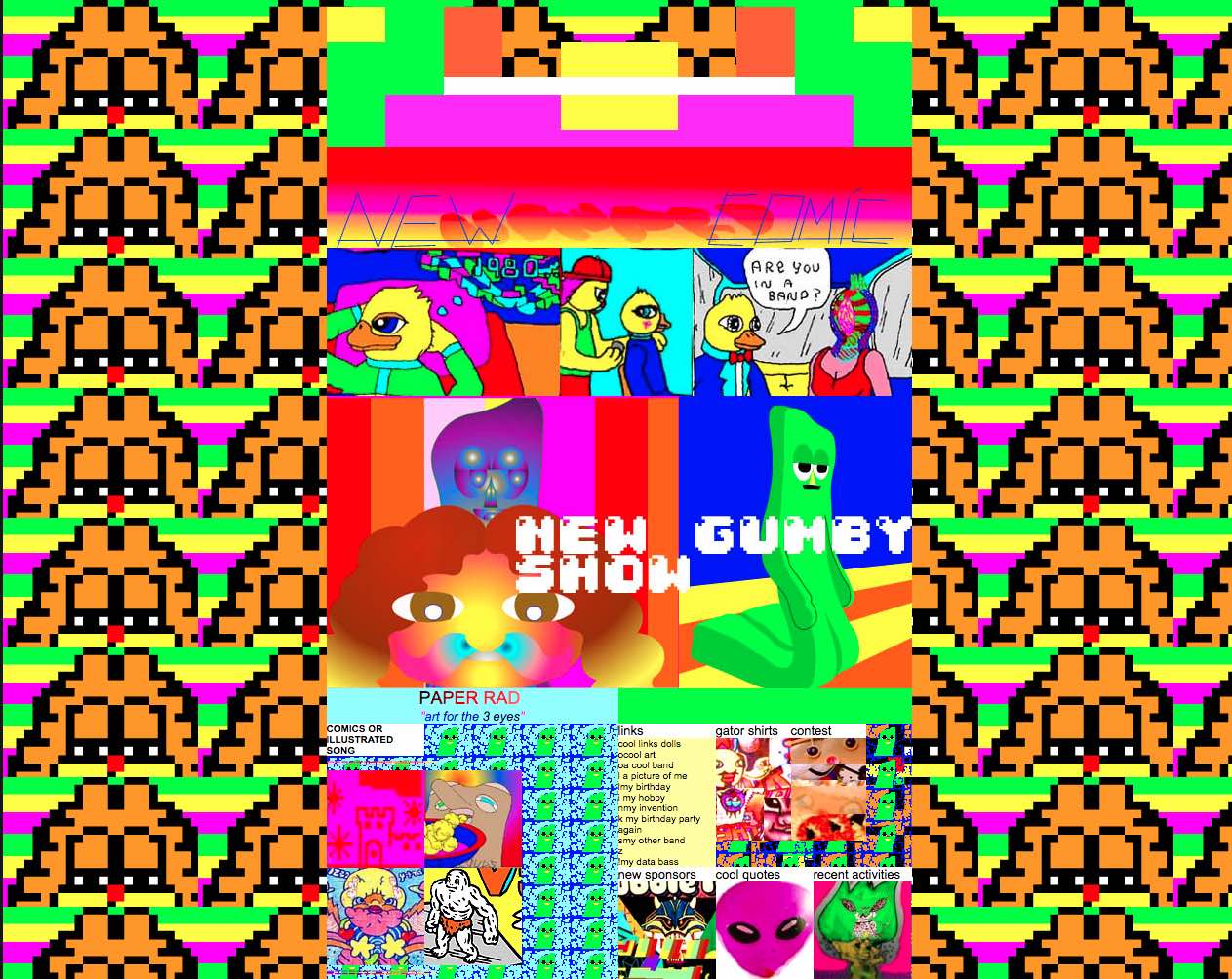
... the page was changed daily, continually layered with new content or reorganized spatially. Amid this constant development, there are a few distinguishing elements to the website that endured throughout its seven-year life. First, it carried over the DIY ethos and aesthetics from the culture from which it emerged—paperrad.org was not an easy-to-navigate online artist’s CV but existed more like a maze of found, remixed, and original content. Visitors were only able to track the identities of participating members through deep research, which lent the site a mysterious and open feel, as if Paper Rad could be as small as one person or as large as a thriving subculture. A second distinguishing factor was that Paper Rad created their own discreet world that blended influences from both analog and digital culture. In the Paper Rad cosmos, hacked and re-versioned My Little Ponies mingled with animated gifs and characters originally rendered in printed ’zines, like Tux Dog, which were digitized and made open source. This straddling of different pop cultural realms—television and the internet, mass media and amateur media—became a trademark of Paper Rad, as did a disregard for medium specificity. The Paper Rad website, presenting recycled cartoon characters like Gumby in Flash animation sagas, was evidence of the eroding boundaries between media we are so familiar with today. [1]

Paper Rad's visual projects often employ bright fluorescent palettes juxtaposed with primary colors to create a distinctive "lo-fi" look. It adopts a variety of techniques and elements to achieve this look, including pop art, collage, punk art, as well as imagery from popular culture. The multimedia projects incorporate MIDI audio, poor recordings of original sound effects and voices, pixelization, and other crude audio and visual components. Paper Rad recycled or appropriated obscure sounds and images from a variety of sources, including old cartoons, commercials, and late-night television. [2]

The collective–which consisted of siblings Jessica and Jacob Ciocci, Ben Jones, and other collaborators–cultivated a unique interest in exploring artistic strategies from other media, especially comics and zines, through web-based and multimedia works. Serially updated during the group’s most active period (2001-2008), paperrad.org was both an archive and a artwork, a riot of brightly colored compositions featuring graphics and a mazelike compilation of characters from otherwise overlooked aspects of ’70s and ’80s pop culture. [3]

Paper Rad Homepages 01-08 Collected by Rhizome

Selected Webpages

From Wikipedia:

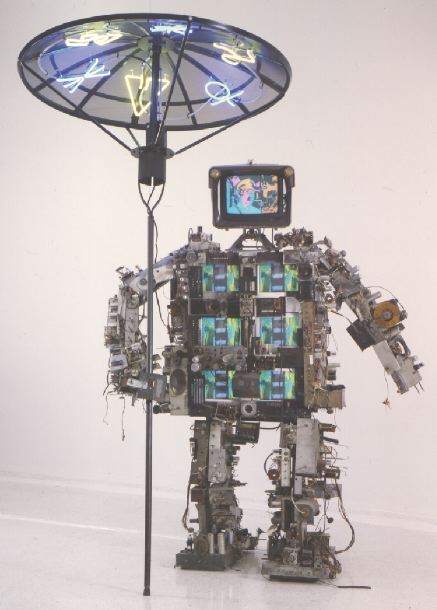
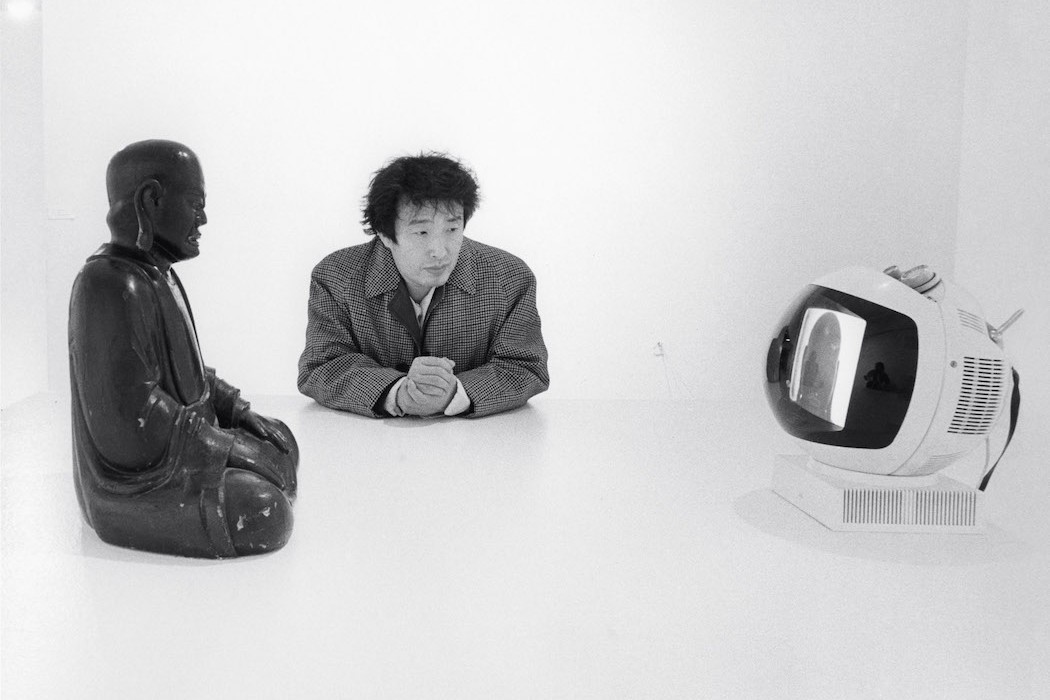
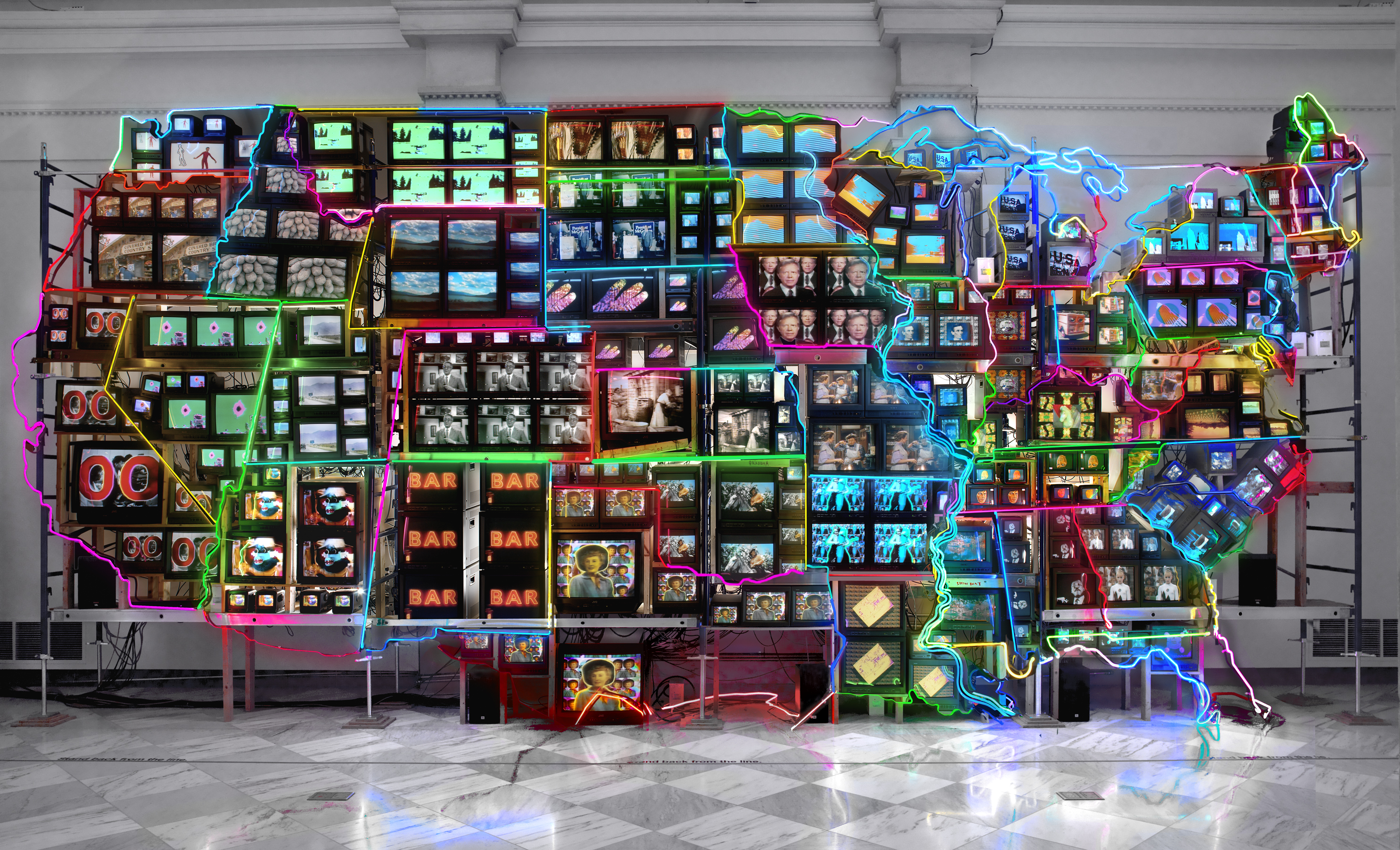
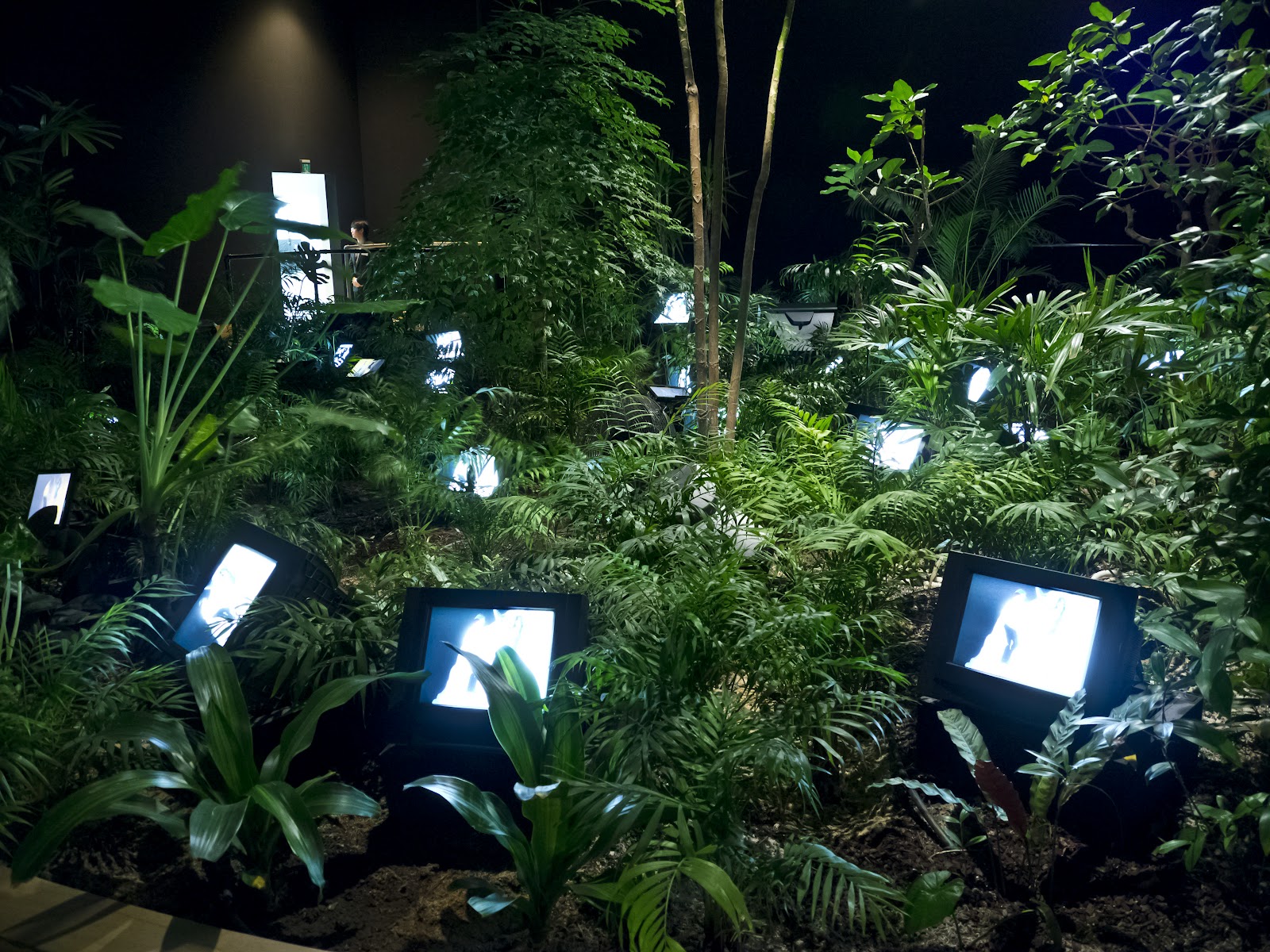
Nam June Paik (July 20, 1932 – January 29, 2006) was a Korean American artist. He worked with a variety of media and is considered to be the founder of video art. He is credited with an early usage (1974) of the term "electronic super highway" in application to telecommunications.

From Theartstory.org:

Nam June Paik, known as "the father of video art," surfed the forefront of cutting edge technologies and utilized them to realize artworks, the likes the world had never yet seen. His various experiments positioned video as a viable art form, and a tool toward accomplishing widespread, global connectivity - an oeuvre eerily prophetic to our contemporary information age. His revolutionary practice laid the groundwork for today's artists working in new media art.